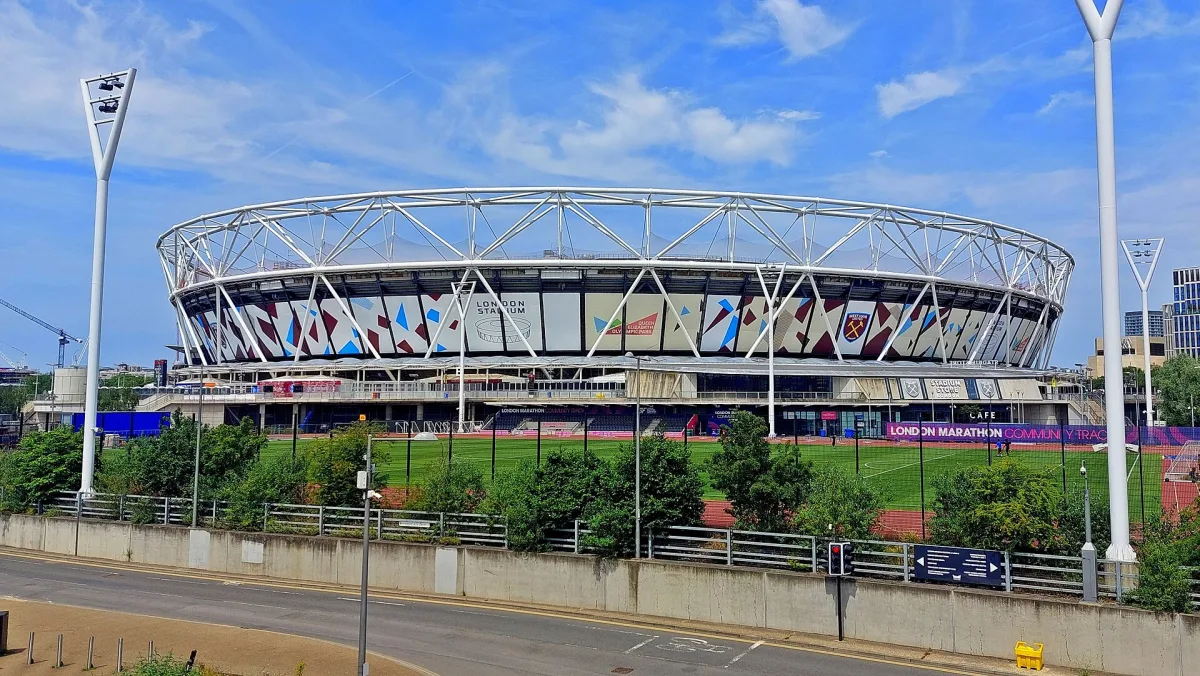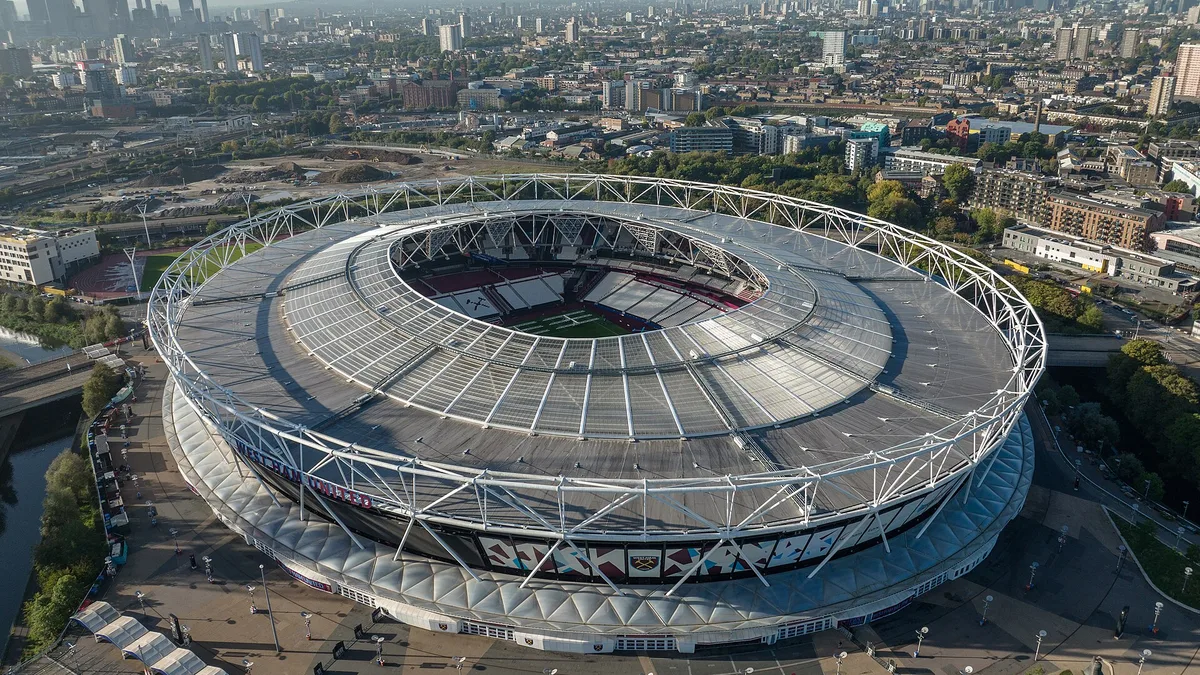
The conversion of London Stadium from an Olympic venue into a football ground cost £309,796,000.
That is the sum of the capital additions in the accounts of London Stadium LLP, company number OC376732, across the four years to 31 March 2017. The same accounts value the finished stadium at nil, and have done every year since. Both figures are audited. Both have been at Companies House for years.
What everyone else says
The figure in circulation is £323 million, published by the London Assembly in December 2016 and again in March 2018, against a conversion budget of £190 million. Older reporting carried £272 million and £274 million. Separately, the 2008 to 2011 Olympic build cost £486 million against the Olympic Delivery Authority’s £496 million allocation.
None of those is wrong. They answer a different question, and the distinction matters more here than in any piece in this series.
The £486 million was the Olympic Delivery Authority’s spending and appears nowhere in these accounts. London Stadium LLP was incorporated on 6 July 2012, three weeks before the opening ceremony, and its first accounts were dormant. This partnership never built the Olympic Stadium. It converted one. So any single figure offered as “the cost of London Stadium” adds two numbers from two public bodies on two bases, and this piece does not print one.
Where the real number is
London Stadium LLP has filed thirteen sets of accounts, from the dormant year to 31 March 2013 through to 31 March 2025. It was called E20 Stadium LLP until 3 April 2025.
The ownership history sits in the members register, dated by filing rather than by press release. The London Legacy Development Corporation and Newham Legacy Investments Limited were members from 6 July 2012. Newham retired on 30 November 2017, one day after Stratford East London Holdings Limited was incorporated and one day before it took Newham’s place. The 2018 accounts call that company “a wholly owned subsidiary of LLDC”, so Newham’s half did not go to a private buyer. The public sector bought itself out. Greater London Authority Holdings Limited became sole member on 31 March 2025.
To be precise about what the £309,796,000 is, because this piece is about measurement: nobody announced that total. It is the capital this partnership recorded while the conversion was under way, read from four consecutive audited accounts. Calling it the conversion cost is an interpretation, reasonable because converting the stadium was the only thing this partnership spent capital on in those years, but ours.
The series
Entity figures, in thousands of pounds, from the property, plant and equipment notes.
| Year to 31 March | Opening | Additions | Fair value loss | Closing |
|---|---|---|---|---|
| 2014 | - | 34,380 | (25,269) | 9,111 |
| 2015 | 9,111 | 137,512 | (122,237) | 24,386 |
| 2016 | 24,386 | 96,172 | (100,748) | 19,810 |
| 2017 | 19,810 | 41,732 | (61,542) | - |
| 2018 | - | 2,950 | (2,950) | - |
| 2019 | - | 2,637 | (2,637) | - |
| 2020 | - | 4,576 | (4,576) | - |
| 2021 | - | 11,387 | (11,387) | - |
| 2022 | - | 7,226 | (7,226) | - |
| 2023 | - | 15,237 | (15,237) | - |
| 2024 | - | 4,419 | (4,419) | - |
| 2025 | - | 6,982 | (6,982) | - |
Additions across the twelve years total £365,210,000. Fair value losses total £365,210,000. The two match to the pound, which is the story in one line: every pound of capital this partnership has put into the stadium has been written back off.
The asset reached nil in the year to 31 March 2017 and stayed there. The 2017 accounts explain the movement: the works were “substantially complete by 13 July 2016 under the Balfour Beatty contract”, the stadium was handed to its operator, and £61,542,000 was reclassified out of assets under construction and impaired in full. Capital has gone in every year since, £55,414,000 of it, and been written off on arrival each time.
The trap: why nil is not an error
The accounts say it in the policy notes and again in the note on accounting judgements, where the revaluation is listed as involving “a significant degree of judgement or estimation”:
Forecasts of the partnership’s financial outlook, particularly in relation to the cost of hosting West Ham United Football Club matches and the cost of moving the relocatable seats between pitch (football) and athletics modes, have resulted in the fair value of the Stadium as at 31 March 2025 to be nil (31 March 2024: nil); accordingly, the value of the capital works on the Stadium are impaired in the partnership’s accounts.
Nil does not mean the building is worthless. It means something narrower, and the method is in the same note: fair value “was determined by considering what market value a hypothetical purchaser would be willing to pay”, assessed on “the level of income that the Stadium can generate in excess of operating expenditure”.
Whoever bought London Stadium would be taking on the two costs the accounts name, for the remaining ninety years of the concession: hosting West Ham, and moving the lower tier between football and athletics configuration. The second was sold in the original design at £300,000 a changeover; the first full move, in 2017, came in around £12 million. And the stadium earns less than it costs to run, losing £13.1 million at entity level in the year to 31 March 2025 against £13.2 million the year before. A buyer is not acquiring an income stream. They are acquiring a bill running to roughly 2115.
Which leaves the obvious objection. If it is worse than worthless, why stop at zero? Because an asset cannot be carried below nothing. The rest sits opposite it as a provision: £241,457,000 at 31 March 2025, against £206,727,000 a year earlier and £185,827,000 the year before that. An assessment under IAS 37 in 2016-17 found two contracts loss-making, the West Ham concession and the UK Athletics access agreement, and the calculation runs over “the remaining 90-year term of the concession agreement”. The auditor attached an emphasis of matter to it, flagging its sensitivity to the timing of commercial income.
Read the valuation and the provision together and the accounts put the stadium at roughly minus £241 million. That reading is ours, not theirs. The accounts are blunter about the cause: “The fundamentals of the agreements entered into in 2013 continue to present significant challenges for the long-term future financial performance of the Stadium.”
What the money bought, and what these filings will not say
The accounts name the contractor, Balfour Beatty, and the valuer, GL Hearn Limited. They give the date the works were substantially complete. What they never do is break the £309,796,000 into anything.
No line for the roof, none for the seating, none for the track, none for professional fees. The relocatable seating appears in the 2017 prose as a reason spending continued past practical completion and is never costed in any year. So why converting an existing stadium cost £309.8 million cannot be answered from these documents.
Three more things they do not settle. Whether £323 million and £309,796,000 cover the same scope, since neither document defines its boundary against the other. What the stadium would fetch, because the nil figure is a Level 3 fair value modelled from the partnership’s own business plan rather than tested against a buyer, and the accounts concede that “changes to business plan assumptions could result in a material adjustment”. And the land, which never appears.
One tempting connection also has to be left alone. The capital account shows a £15,000,000 repayment of capital in the year to 31 March 2017, and the public record says West Ham contributed £15 million to the conversion. The figures match. But the accounts call that a repayment to members, and West Ham has never been a member; the club’s contribution is described separately as a concession payment amortized over 99 years, which is deferred income. Joining them needs a document this piece does not have.
How it was paid for, which is not borrowing
London Stadium LLP has registered no charges at all in thirteen years. None outstanding, none satisfied, none ever created. Everton’s stadium company carries ten, Tottenham’s a structure running to 2051. There is no debt to trace, because the money arrived as members’ capital from public bodies.
The capital account in the year the asset was written off, in thousands of pounds:
| Balance at 1 April 2016 | 261,311 |
| Capital introduced by members | 61,804 |
| Repayments of capital | (15,000) |
| Losses allocated to members | (308,116) |
| Balance at 31 March 2017 | - |
The partners put the money in and the same accounts allocated £308,116,000 of losses back out, taking the capital account to zero in a single year.
That has not stopped. The 2025 accounts state that “During 2024/25 the partnership was dependent on funding provided by LLDC for its working capital”, and the going concern basis rests on a letter of support from the Greater London Authority. Grants in the year came to £2,824,000, against £152,000.
One structural detail explains why capital still arrives a decade after the conversion. Under a 25-year service concession signed on 30 January 2015 the operator holds the exclusive right to promote and sell events, but “The partnership retains liability for the structure of the Stadium and in particular lifecycle costs”. The owner carries the long-term repair bill. London Stadium LLP bought the operator outright from Vinci Stadium on 21 January 2019, and the concession terms did not change.
What it means
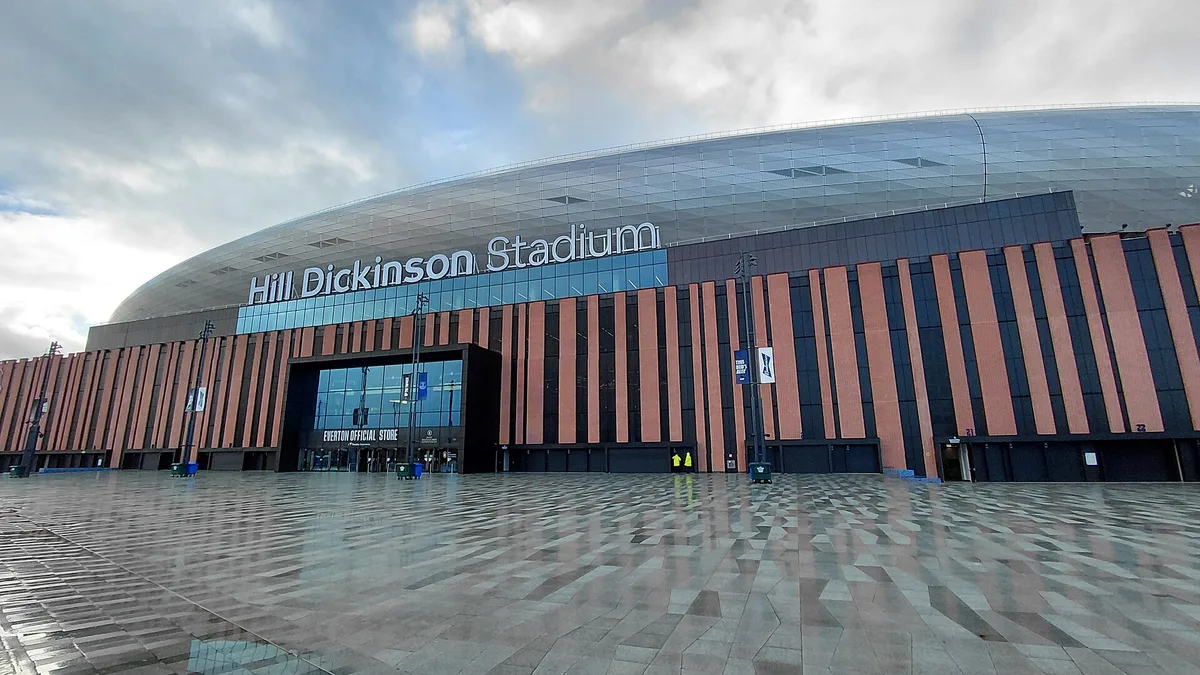
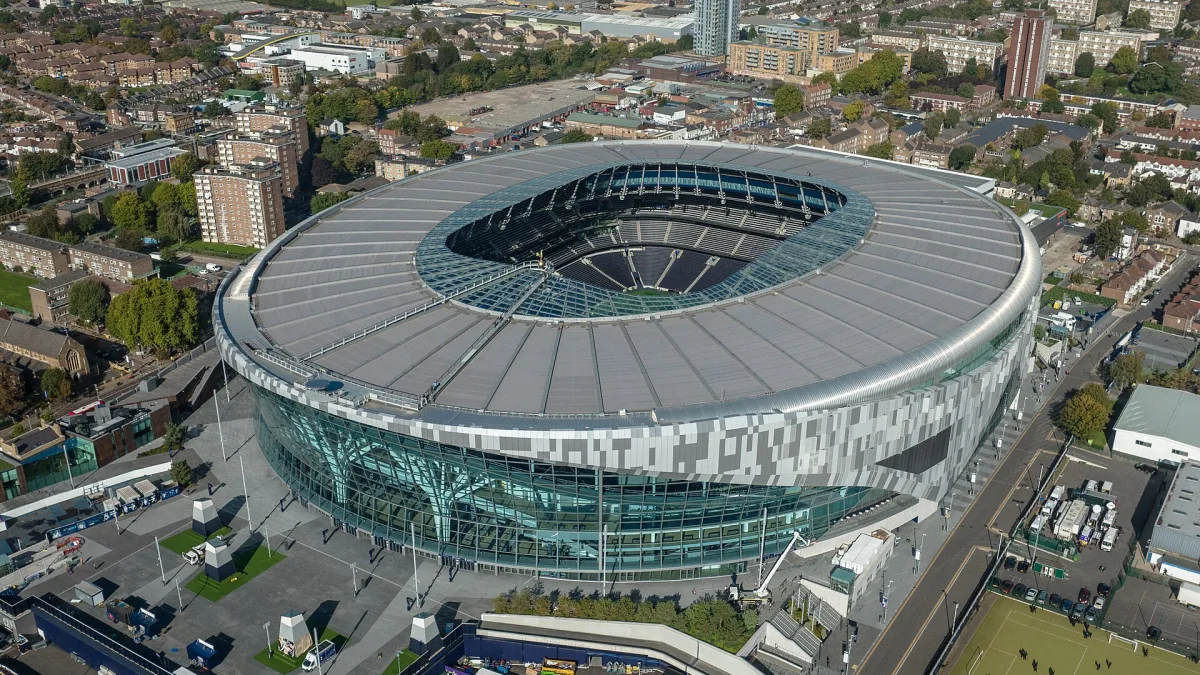
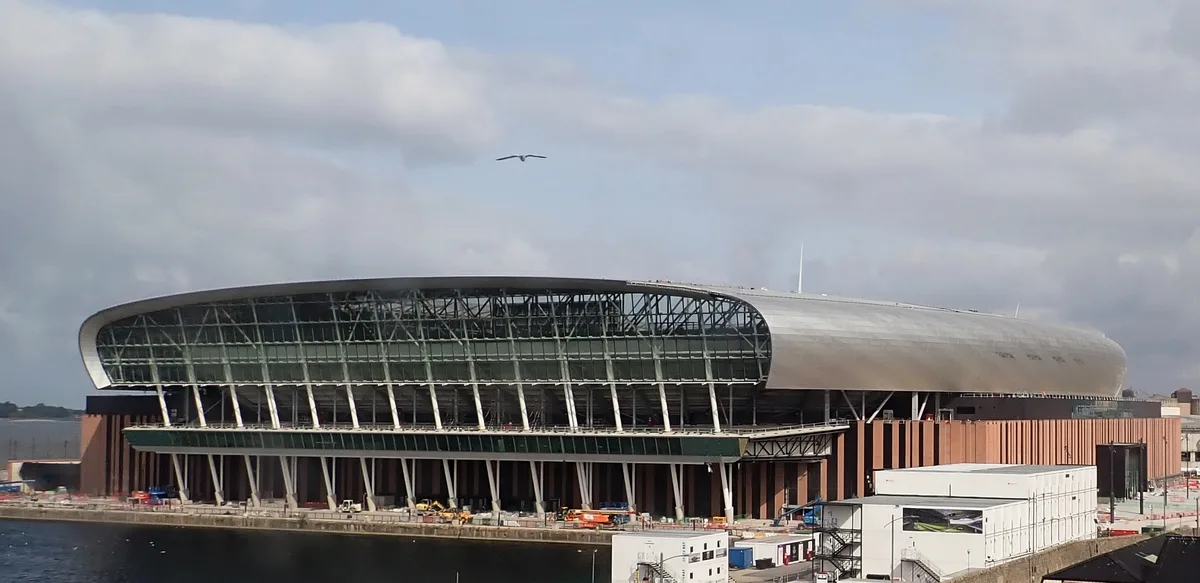
On 62,500 football seats, £309,796,000 is £4,957 a seat, a quarter of Tottenham Hotspur Stadium’s £18,405 and under a third of Hill Dickinson Stadium’s £16,131, the only two new English grounds with an audited cost. It is not a like for like comparison and should not be read as one. Those two built stadiums from nothing. London Stadium LLP converted a building that already stood, paid for by somebody else.
The number worth carrying away is not the cost per seat. It is that this is the first stadium in this series whose owner’s accounts decline to carry a cost at all. Tottenham’s £1.157 billion and Everton’s £851 million sit on their balance sheets as assets. London Stadium’s £365 million sits nowhere. It went in, it was audited, and it was written off in the same breath, because of a contract signed in 2013 that the accounts now hold £241 million against.
Everything people argue about at this stadium, the rent, the seats, the running track, the deal, is already in the accounts. Not as an opinion. As a valuation of nil.
Sources
- Companies House: London Stadium LLP (OC376732) filing history, its members register and charge register, and the PSC register of Stratford East London Holdings (11088870). Thirteen sets of accounts to 31 March 2025 carry every figure above, and the empty charge register is the evidence for the absence of debt.
- The full cost of London Stadium, London Assembly. The £190 million budget and the £323 million conversion figure the filings are tested against.
Figures are cross-referenced against our own London Stadium page, and the per seat comparison against Tottenham Hotspur Stadium and Hill Dickinson Stadium. Where a published figure and a filed figure disagree, this piece states both and says which document each came from rather than choosing between them.
Hero photo: London Stadium by Arne Müseler, CC BY-SA 3.0 de via Wikimedia Commons, cropped.