FIFA World Cup 2030
Spain, Portugal and Morocco host the tournament. Uruguay, Argentina and Paraguay open it, one match each, exactly 100 years after the first World Cup. No tournament has ever crossed three continents, and MeetStadium has a guide to every one of the 23 proposed grounds.
One Tournament, Three Continents
🇪🇸 Spain
The tournament's center of gravity: eleven proposed venues and two rebuilt giants, a renovated Bernabéu and a bigger Camp Nou, both bidding to host the final.
🇵🇹 Portugal
Compact and concentrated: three grounds in two cities, all Champions League regulars, all within a couple of hours of each other.
🇲🇦 Morocco
Africa's boldest build of the three: six venues topped by a planned 115,000-seat stadium in Casablanca, a ferry ride from Europe across the Strait of Gibraltar.
🇺🇾 Uruguay
Where it all began. The Estadio Centenario was built for the 1930 World Cup and hosted its final; a century later it stages a match again.
🇦🇷 Argentina
Runners-up in 1930, champions in 2022. One match at the Monumental, the largest ground in South America.
🇵🇾 Paraguay
Home of CONMEBOL's headquarters, and a first-ever World Cup match on Paraguayan soil, at the new Estadio Osvaldo Domínguez Dibb.
How It Works
Three centenary openers
One match each in Montevideo, Buenos Aires and Asunción, 100 years to the month since Uruguay 1930. Then the tournament flies north.
The main tournament: 48 teams
Everything from matchday two onward is played across Spain, Portugal and Morocco: 20 proposed venues, one strait between two continents, and a final still undecided.
A tournament in two acts
The 2030 World Cup is structured unlike any before it. On 8 and 9 June 2030, three "centenary" opening matches are played in South America, one each in Uruguay, Argentina and Paraguay, honoring the hundred years since the first World Cup was staged in Montevideo in 1930. Those three fixtures are effectively a ceremonial prologue. Once they are done, every remaining match, from the rest of the group stage through to the final, is played across the three main hosts in Europe and Africa: Spain, Portugal and Morocco. It means a handful of nations open their World Cup on one continent and continue it on another.
48 teams, the 2026 format
2030 keeps the 48-team format introduced at the 2026 World Cup: twelve groups of four, followed by a round of 32 and a straight knockout to the final. That is 104 matches in total. South American football's governing body floated a proposal to expand the centenary edition to 64 teams, but it has not been adopted, so 48 remains the working figure. The six host nations, Spain, Portugal, Morocco, Uruguay, Argentina and Paraguay, take automatic places; everyone else qualifies through their confederation between 2027 and 2029.
A World Cup that has to fly
Spreading a tournament across three continents comes with a catch: distance. The South American openers sit roughly 10,000 kilometres and several time zones from the European and African hosts, so teams and fans playing an opening match in Montevideo or Buenos Aires then cross the Atlantic for the rest of the competition. Within the main bloc, though, the geography is unusually tight. Spain, Portugal and Morocco cluster around the western Mediterranean, and the shortest hop of all is the ferry across the Strait of Gibraltar, where less than 15 kilometres of water separates the European and African hosts.
The Six Hosts
three co-hosts and three centenary nationsColored by continent throughout the hub. Click any nation on the map above to see its venues.
Spain
The tournament's center of gravity: eleven proposed venues and two rebuilt giants, a renovated Bernabéu and a bigger Camp Nou, both bidding to host the final.
Portugal
Compact and concentrated: three grounds in two cities, all Champions League regulars, all within a couple of hours of each other.
Morocco
Africa's boldest build of the three: six venues topped by a planned 115,000-seat stadium in Casablanca, a ferry ride from Europe across the Strait of Gibraltar.
Uruguay
Where it all began. The Estadio Centenario was built for the 1930 World Cup and hosted its final; a century later it stages a match again.
Argentina
Runners-up in 1930, champions in 2022. One match at the Monumental, the largest ground in South America.
Paraguay
Home of CONMEBOL's headquarters, and a first-ever World Cup match on Paraguayan soil, at the new Estadio Osvaldo Domínguez Dibb.
23 Proposed Stadiums
Not yet ratified. FIFA confirms the final list around December 2026. Every venue has a full MeetStadium guide.
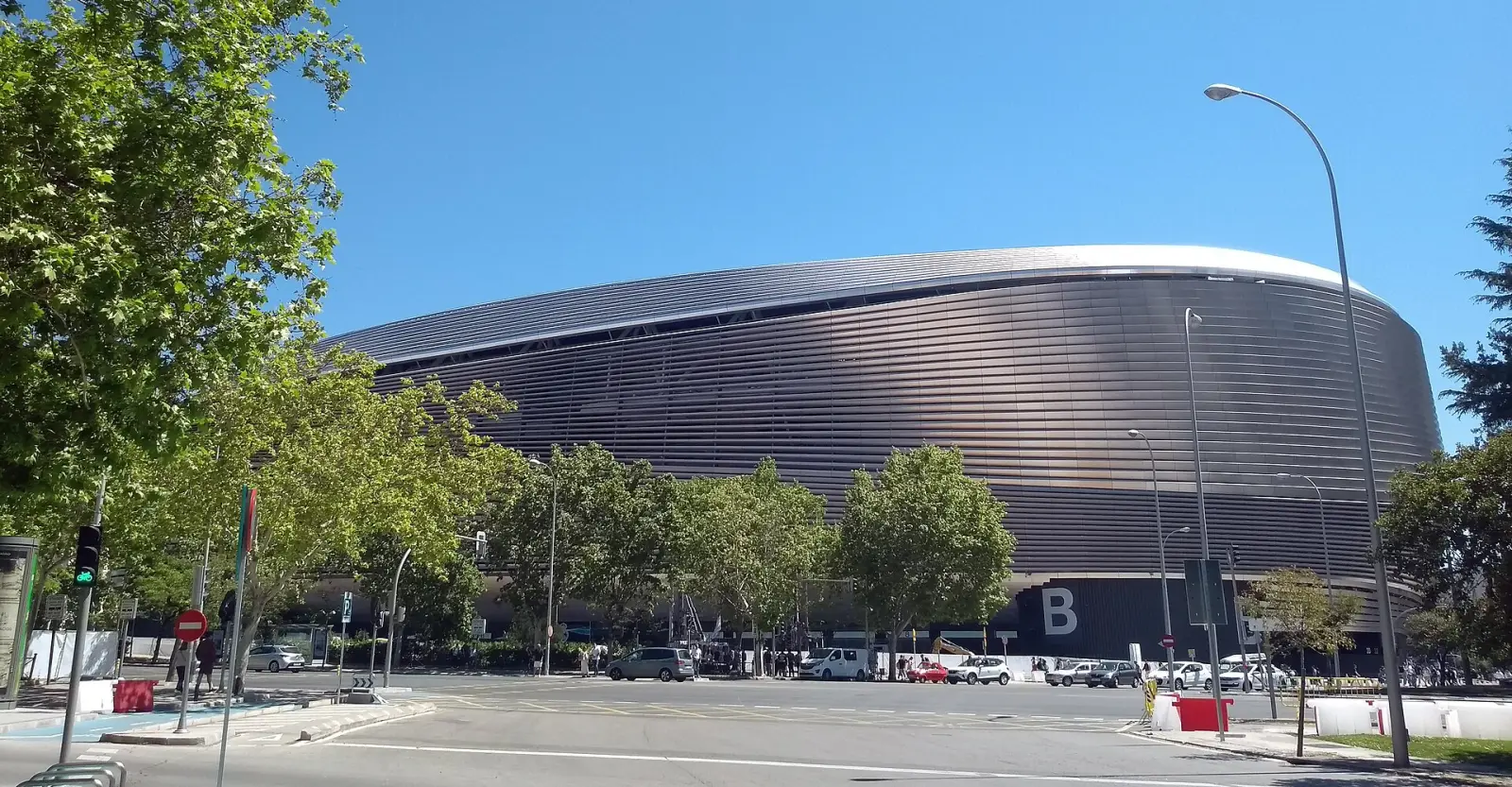 Final candidate
 Santiago Bernabéu
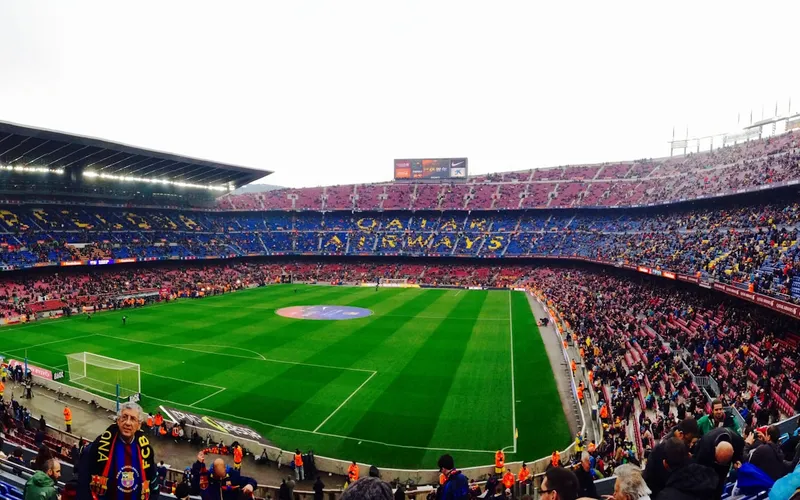 Final candidate
 Camp Nou
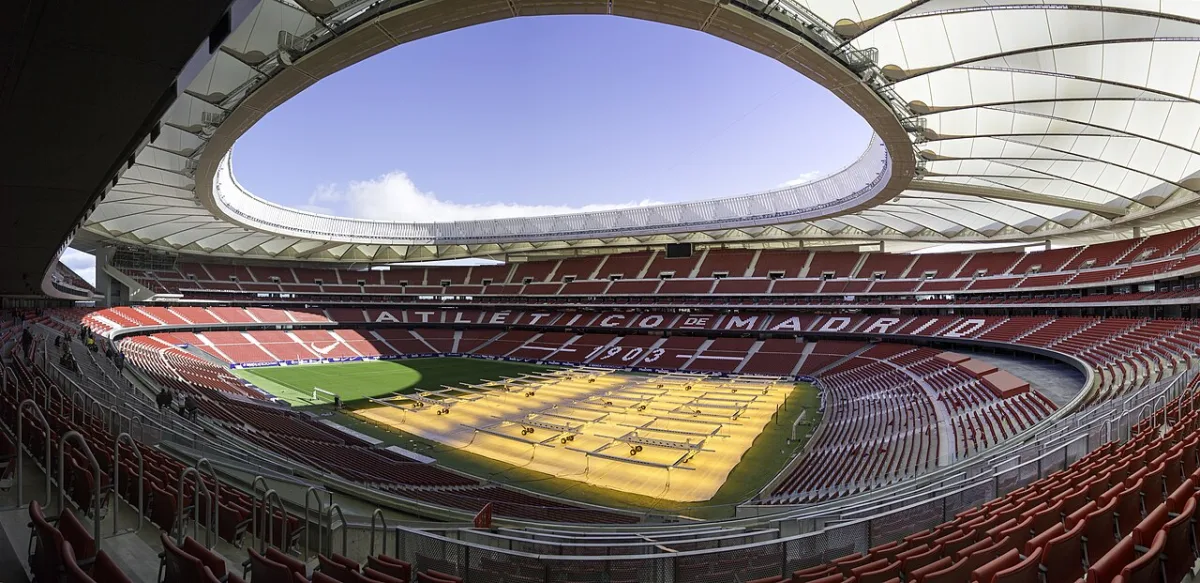
Estadio Metropolitano
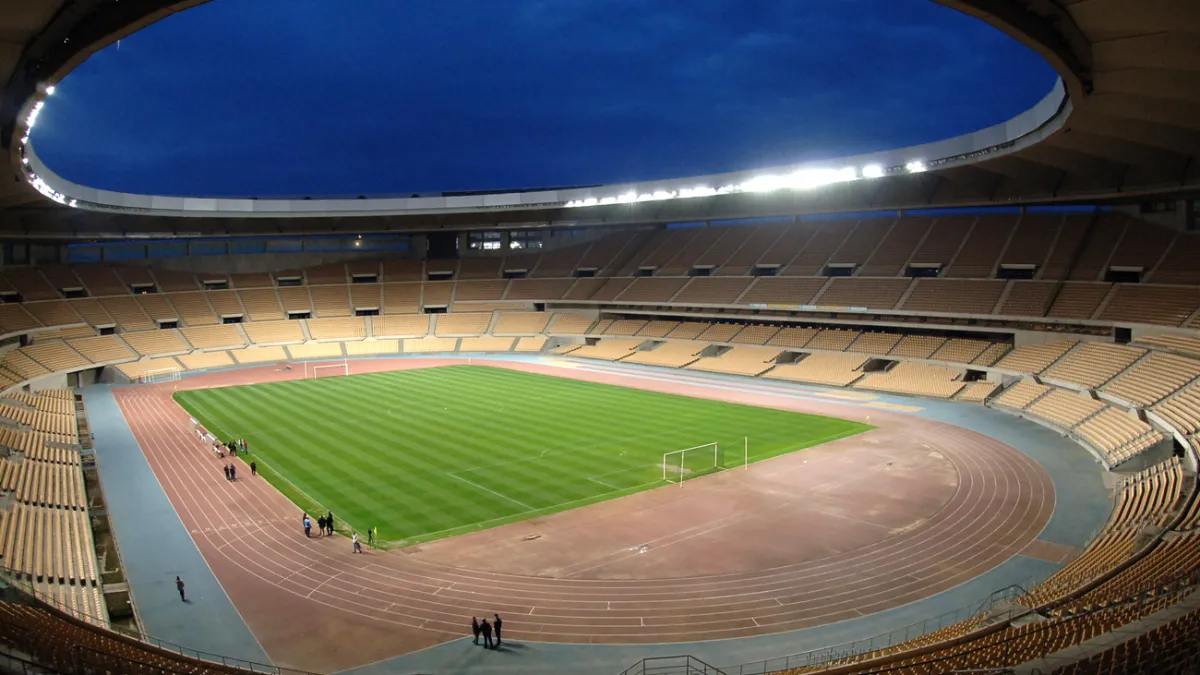
Estadio de La Cartuja
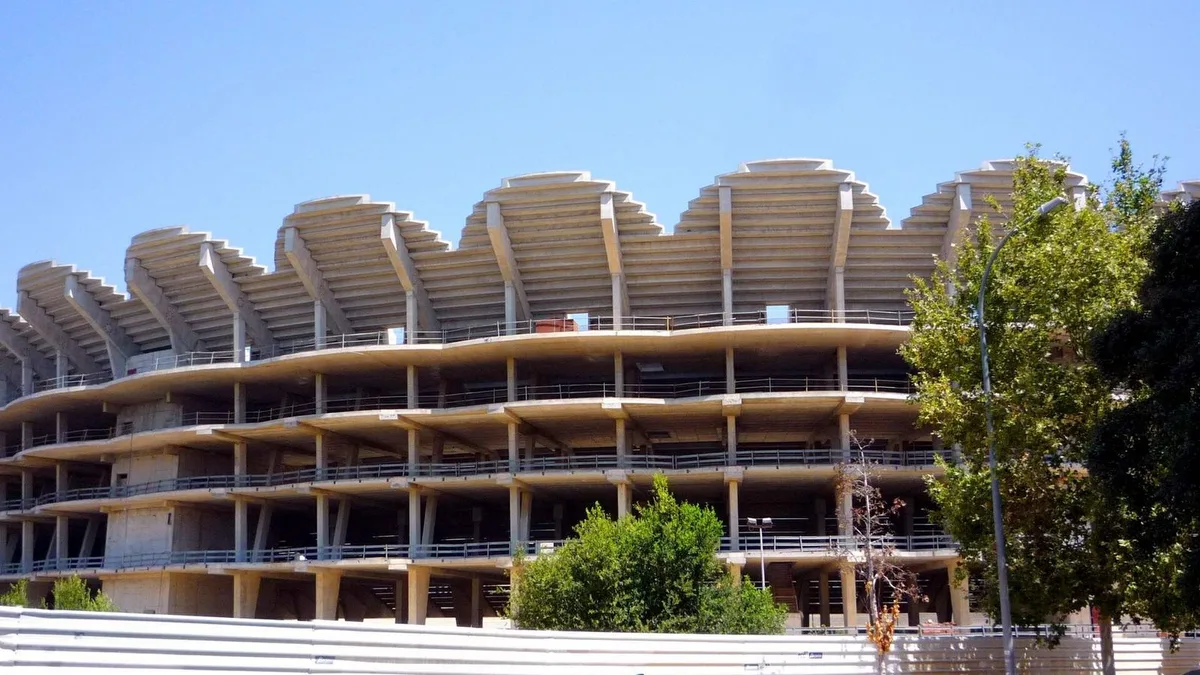 New build
 Nou Mestalla
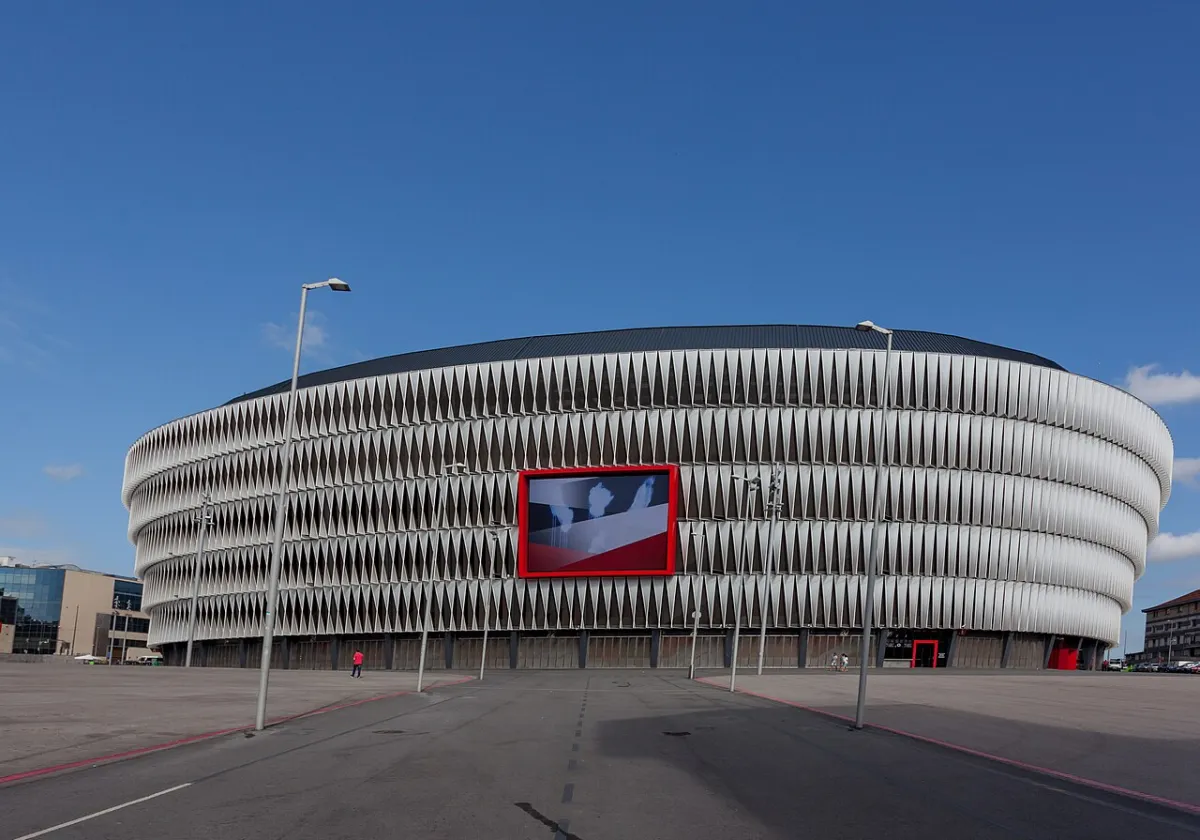
San Mamés
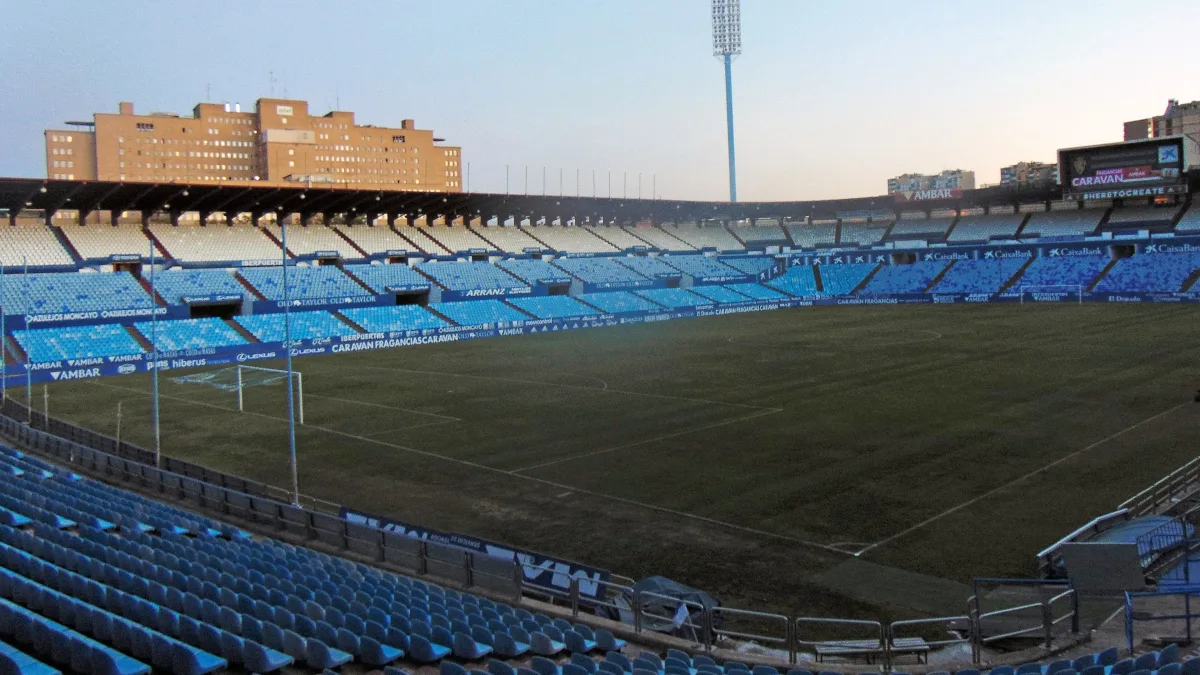 Rebuild
 Nueva Romareda
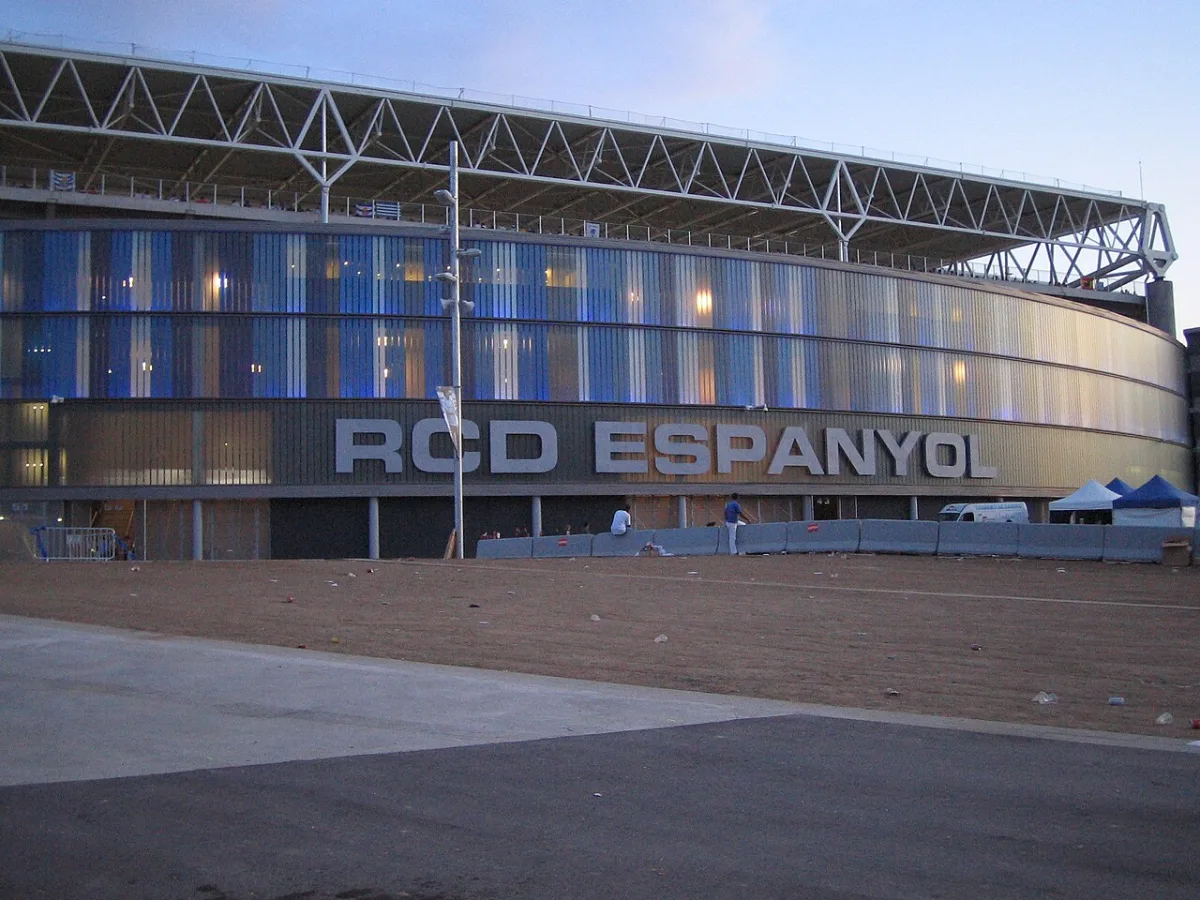
RCDE Stadium
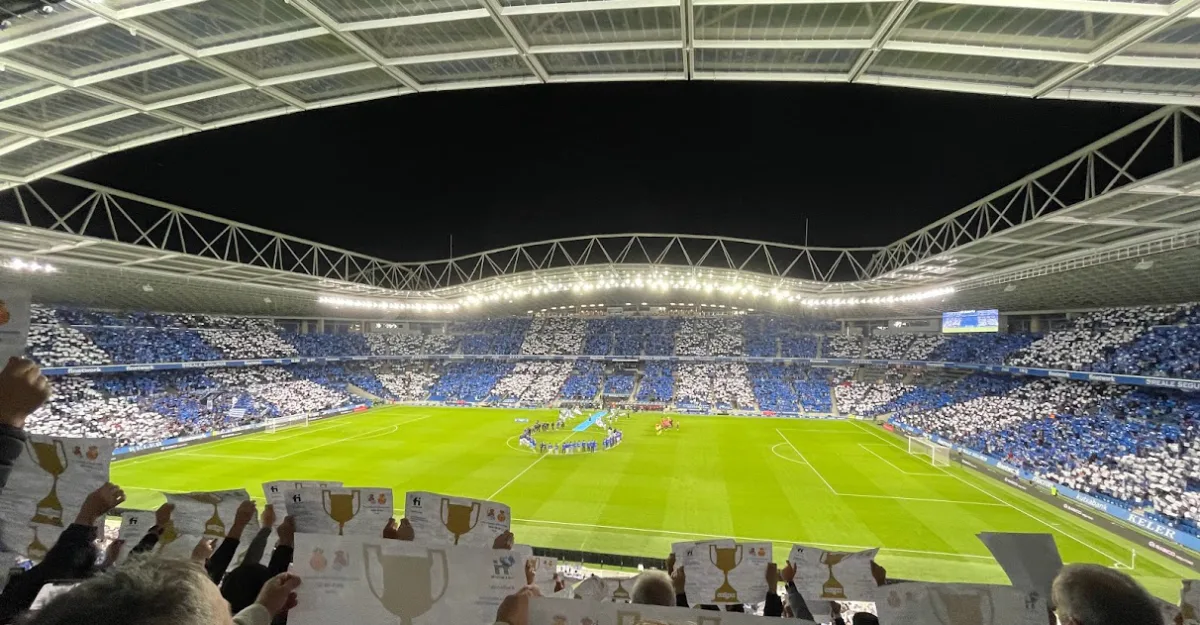
Anoeta
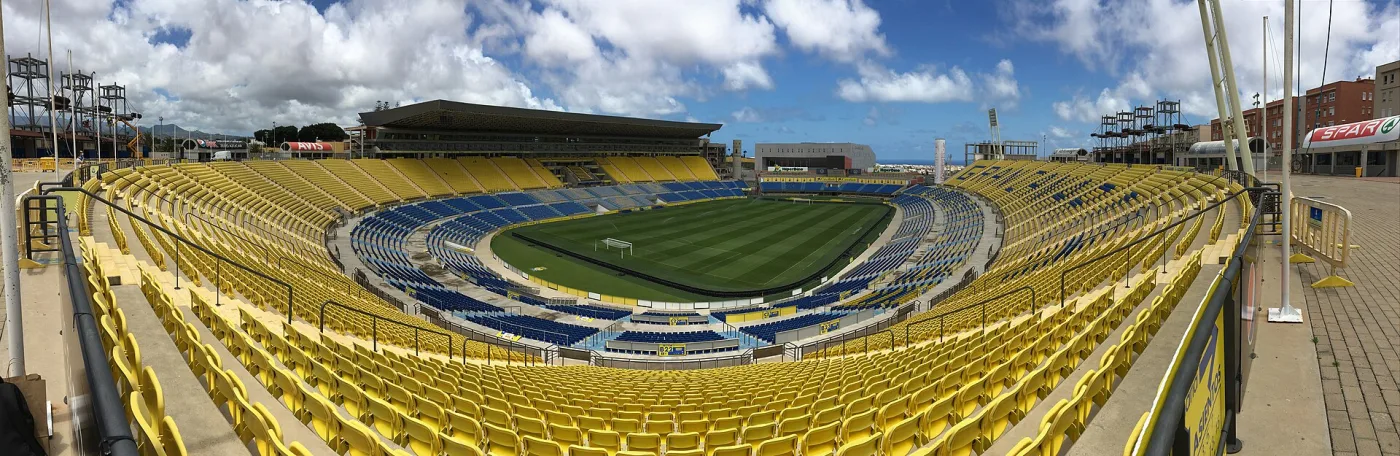
Estadio de Gran Canaria
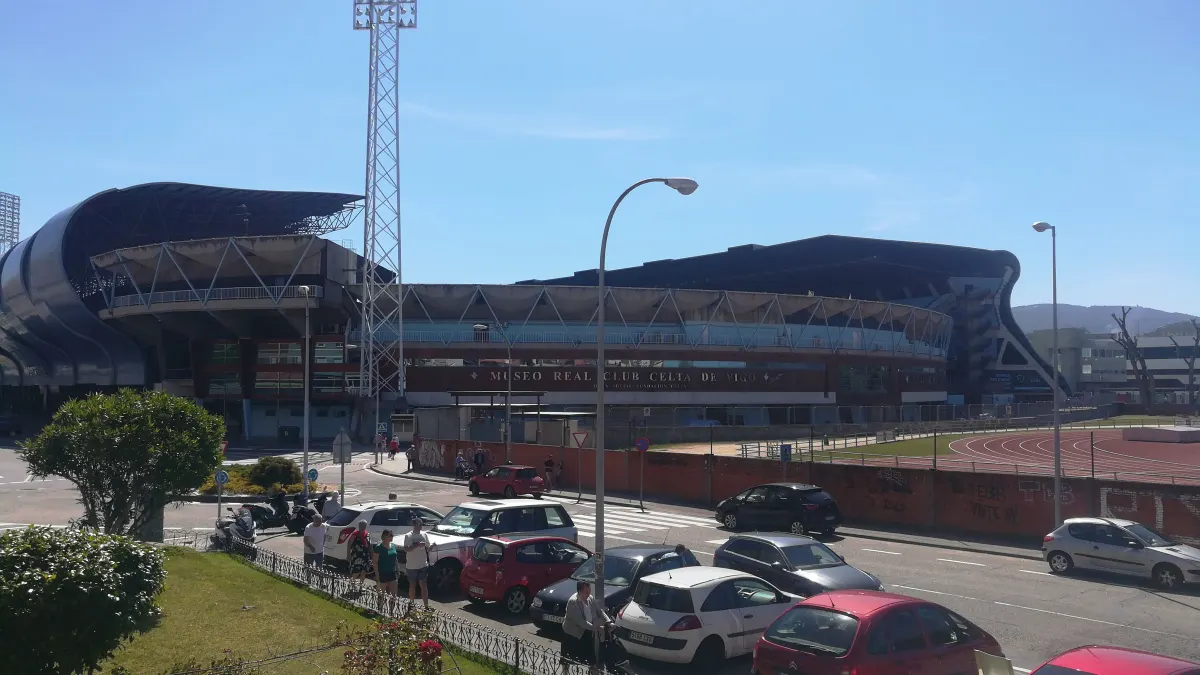
Abanca-Balaídos
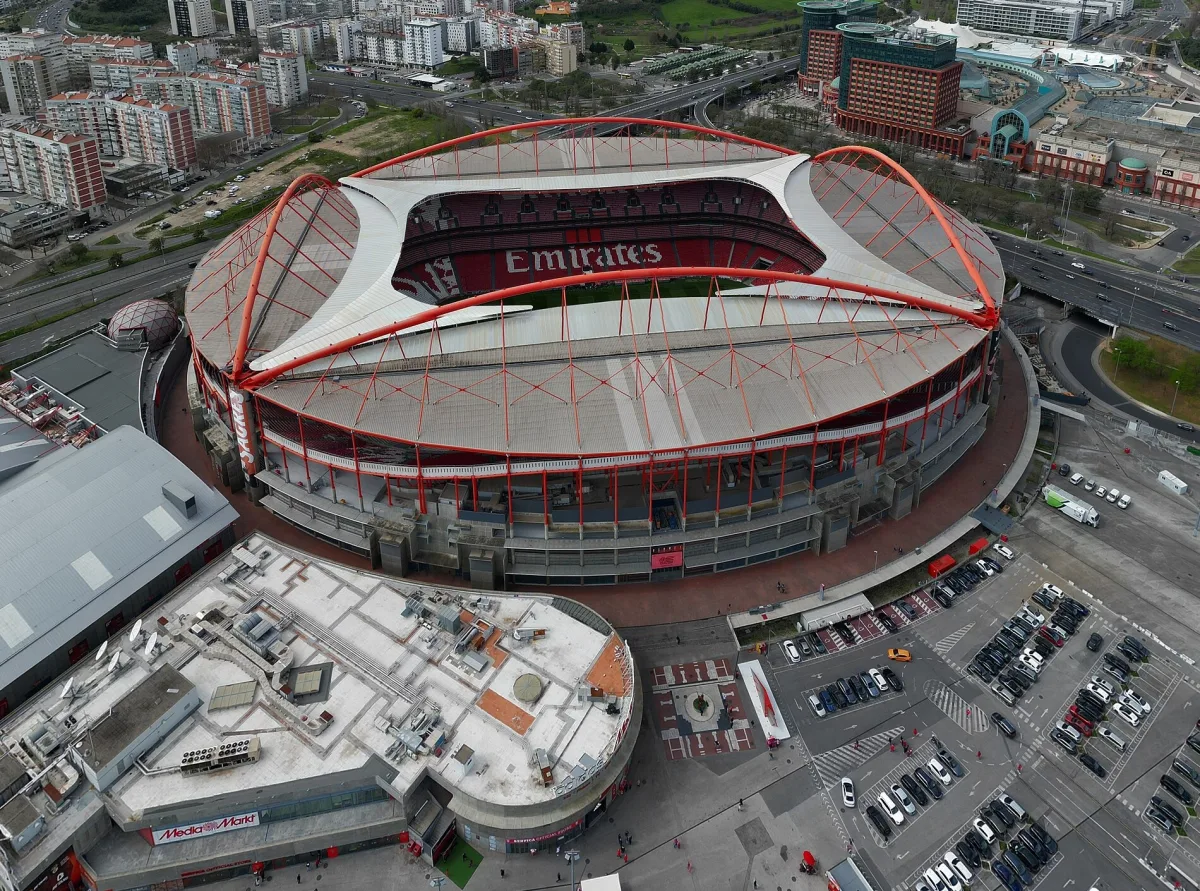
Estádio da Luz
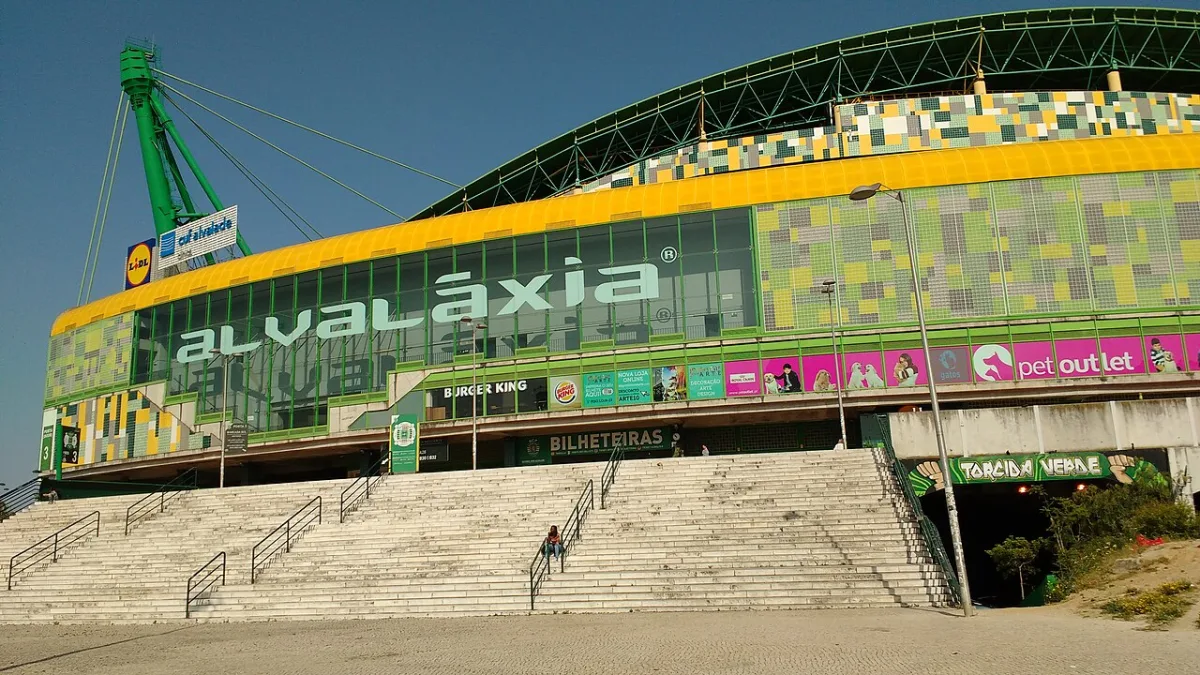
Estádio José Alvalade
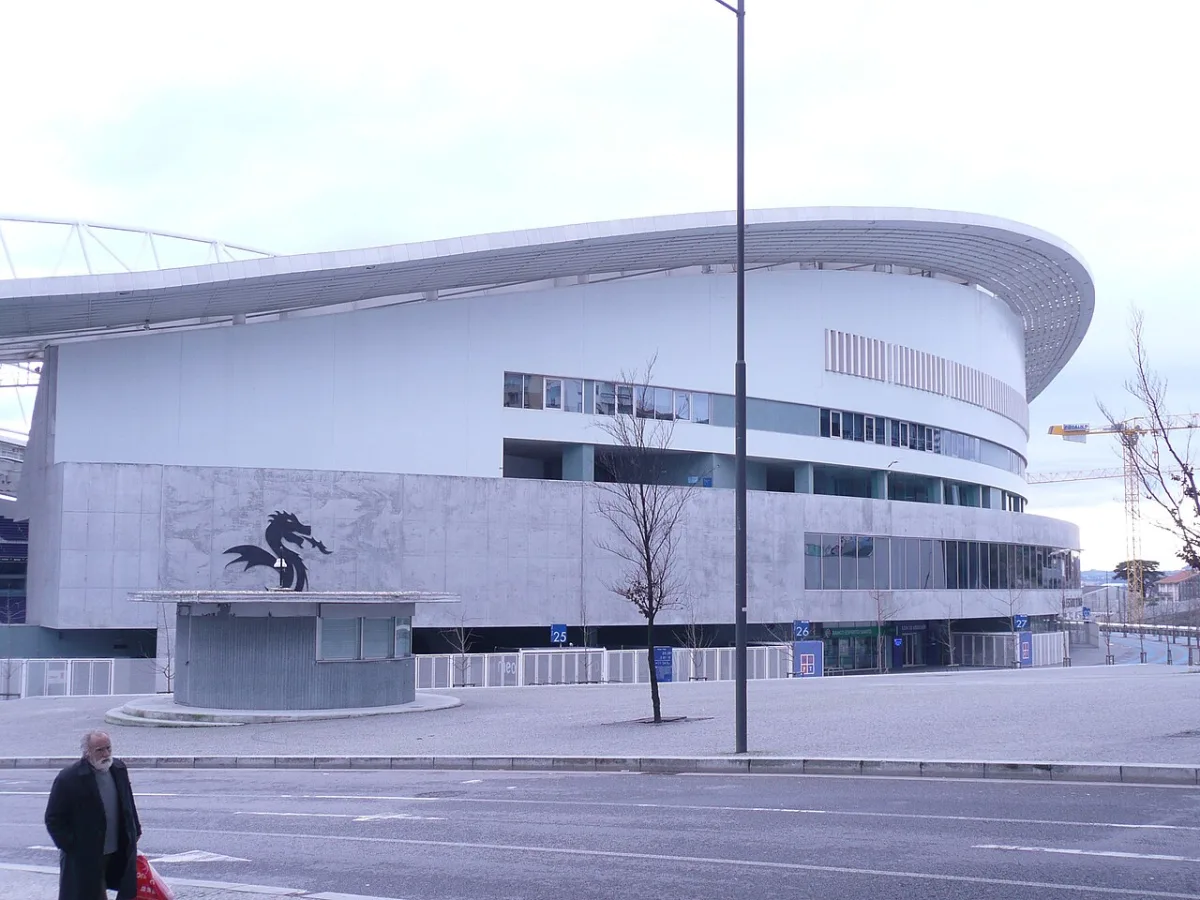
Estádio do Dragão
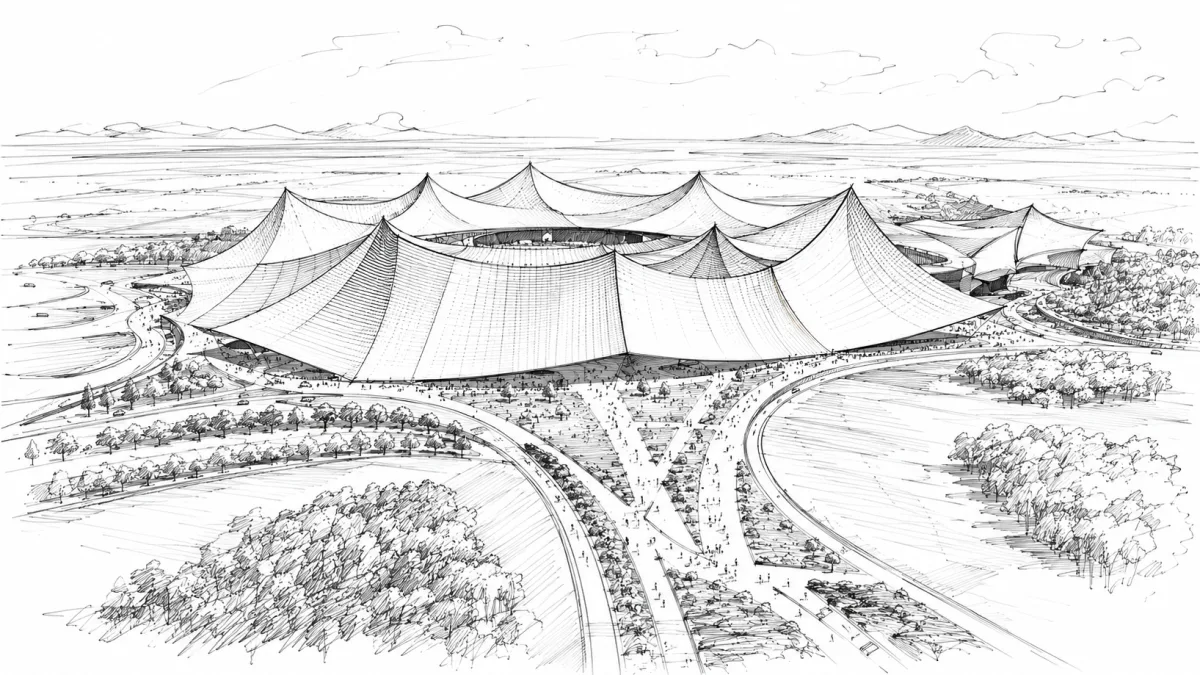 Biggest on earth
 Grand Stade Hassan II
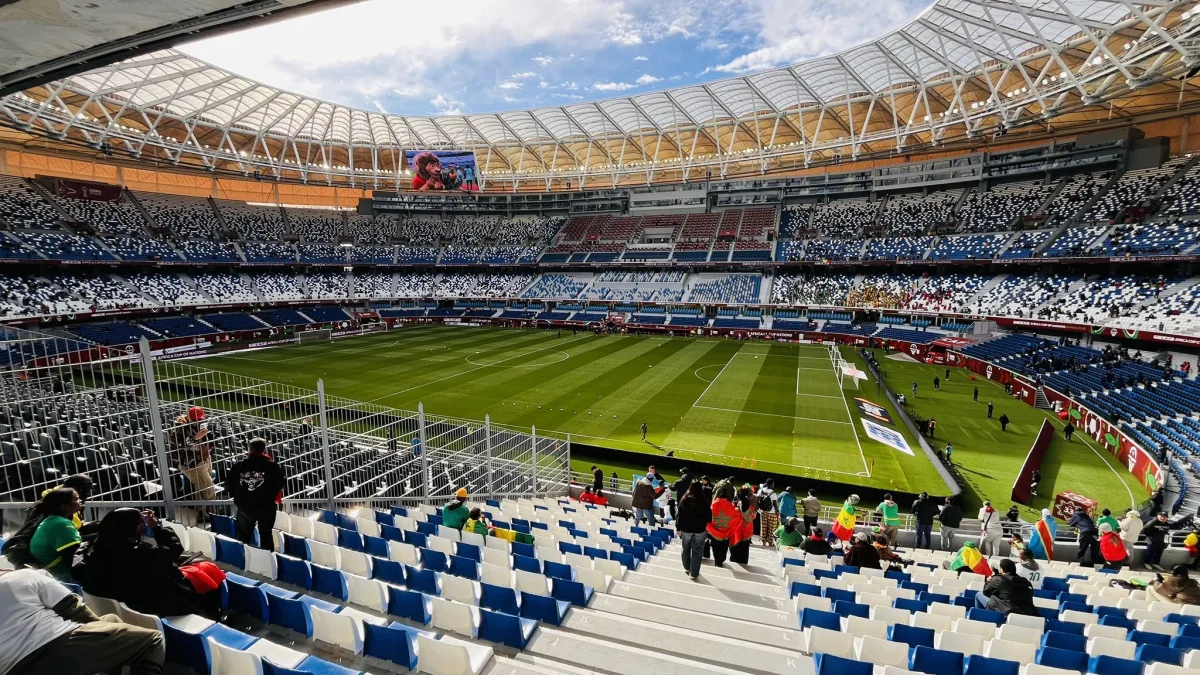
Ibn Batouta Stadium
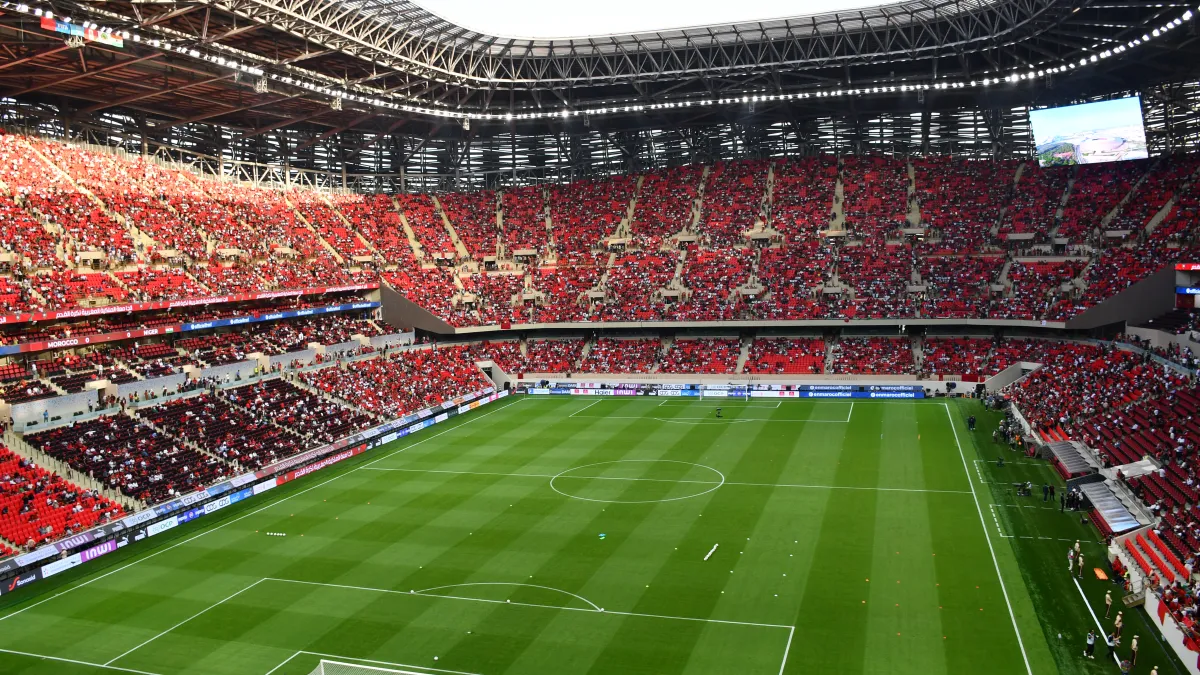
Prince Moulay Abdellah
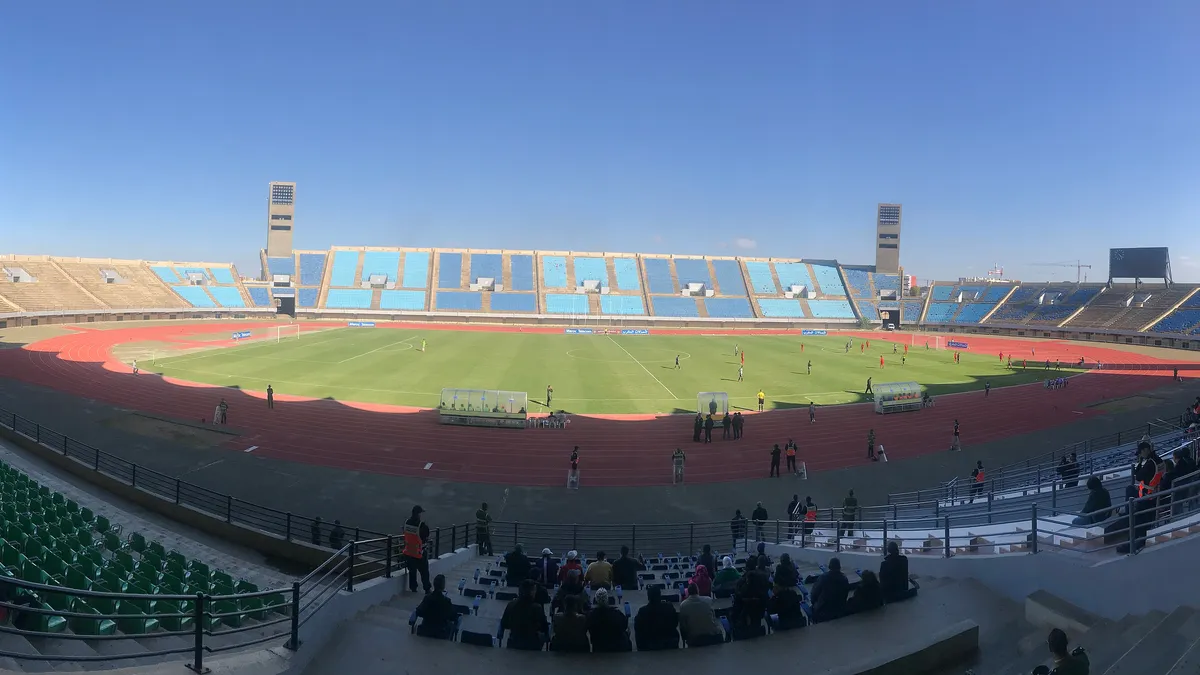
Fez Stadium
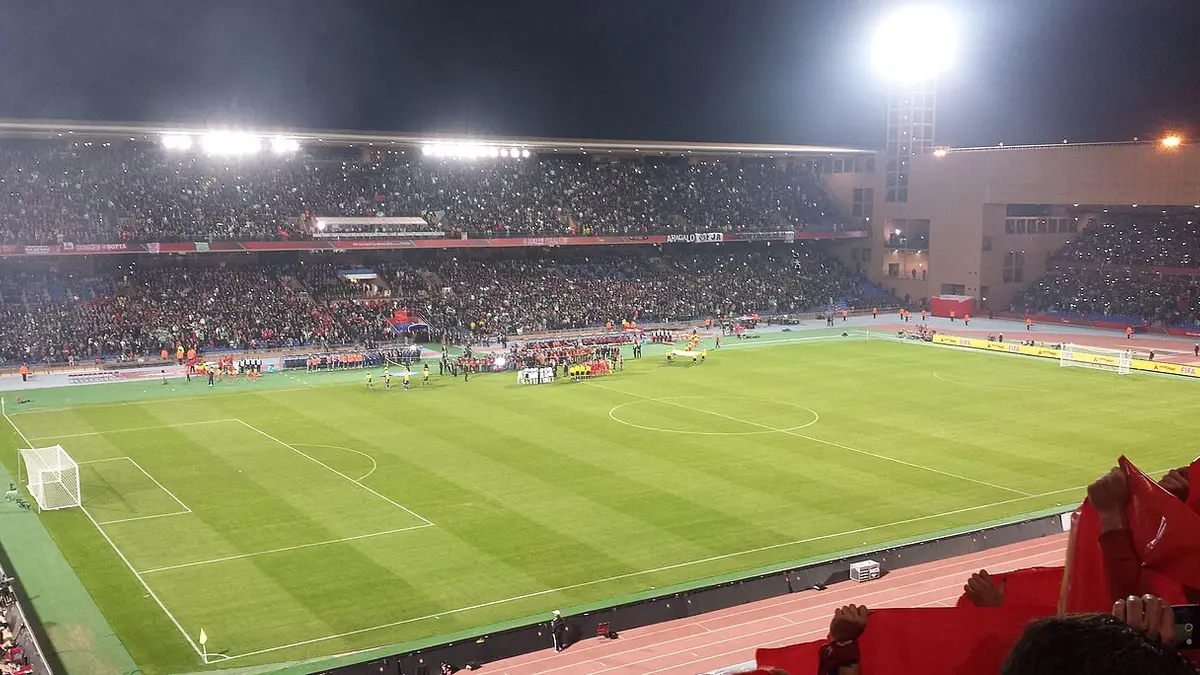
Grand Stade de Marrakech
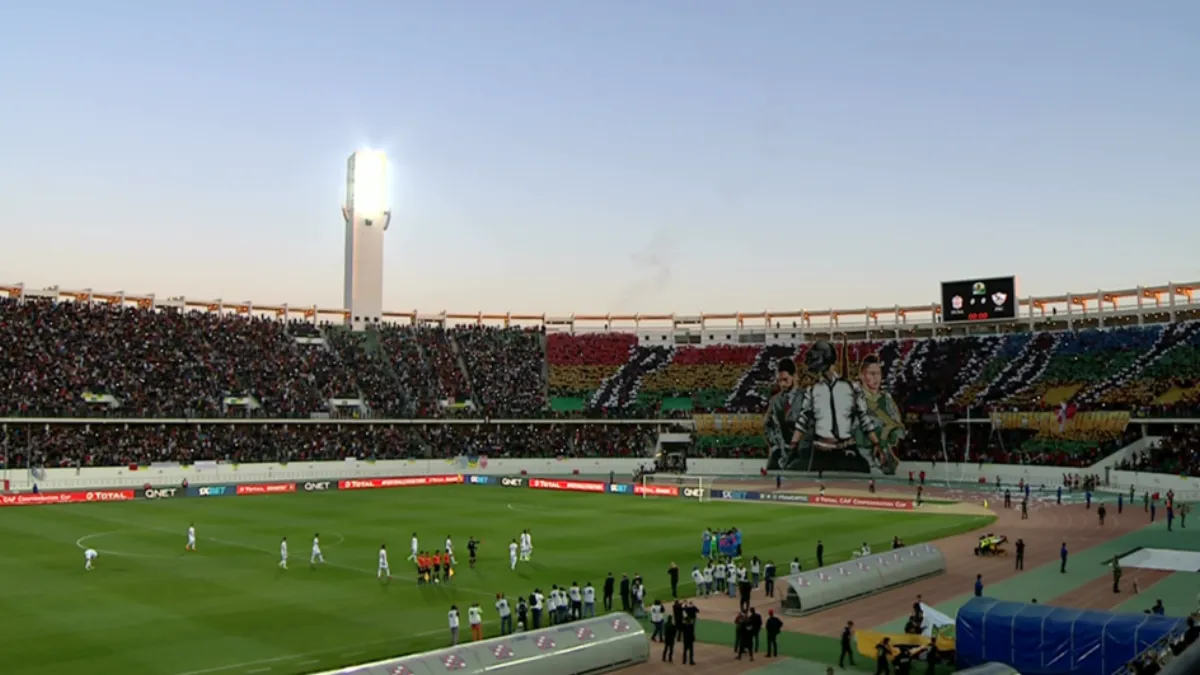
Adrar Stadium
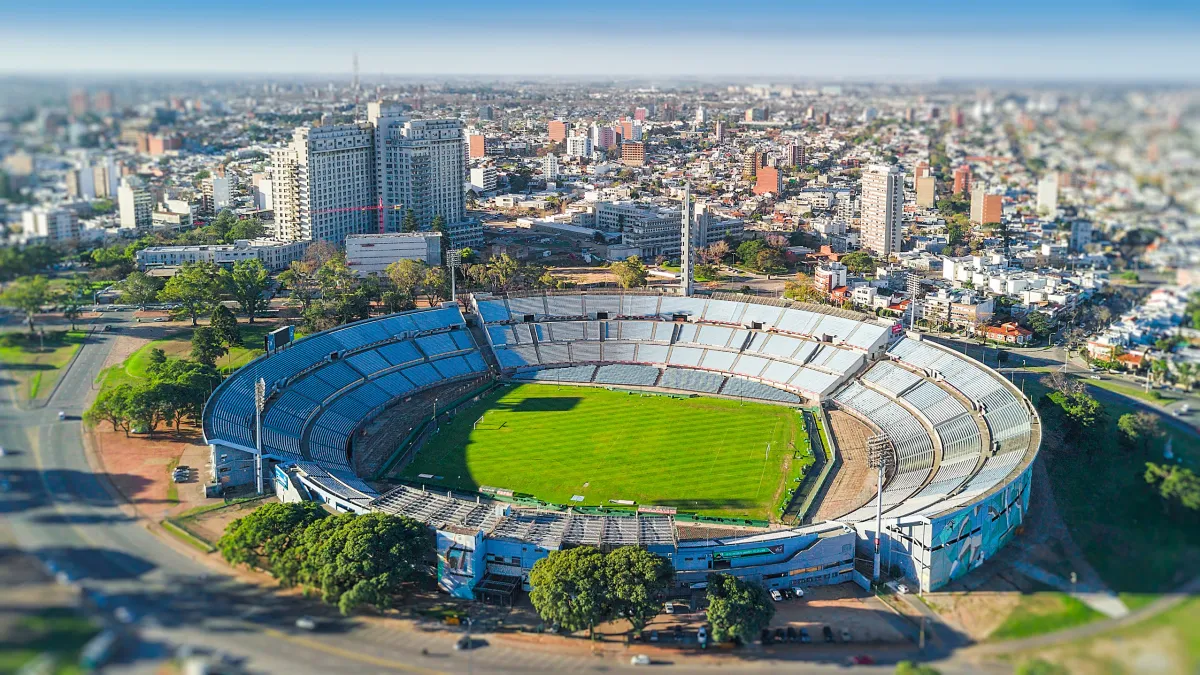 Oldest · 1930
 Estadio Centenario
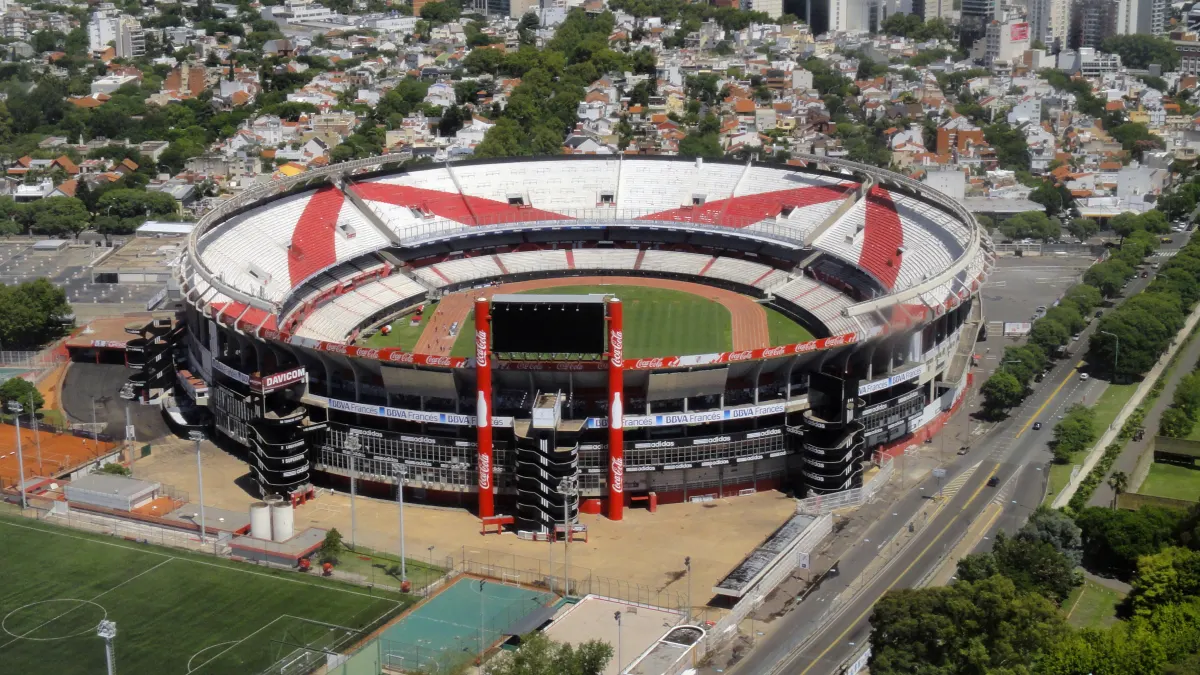 Centenary opener
 Estadio Monumental
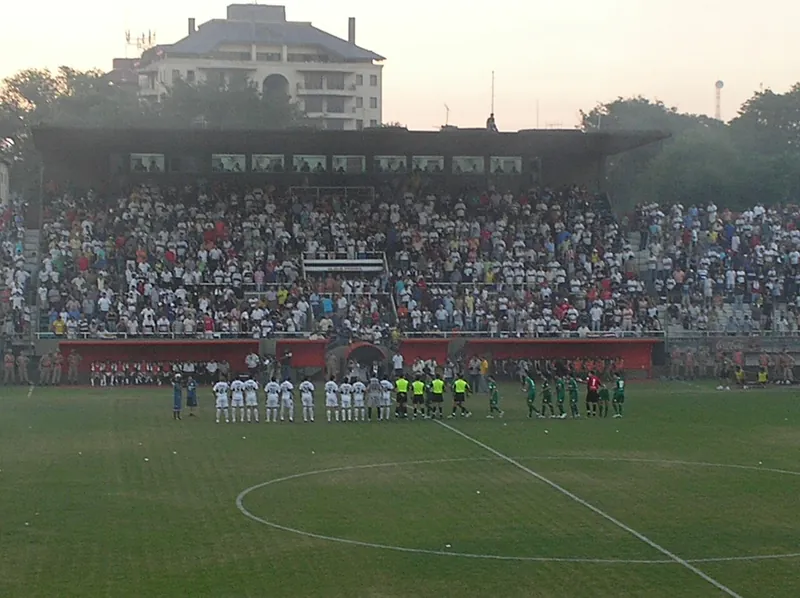 Centenary opener
 Estadio Osvaldo Domínguez Dibb
Superlatives
Under construction. If completed to plan it becomes the largest football stadium in the world, and a candidate to host the final.
Built for the very first World Cup and host of its final. A century later it opens the tournament again.
Valencia finishes a stadium two decades in the making, Zaragoza rebuilds on its old site, Casablanca raises the biggest ground on earth, and Asunción builds a new home for a centenary opener.
The Race for the Final
Three grounds, one prize. Spain has the history and two rebuilt giants; Morocco has the scale. Reporting suggests the three scored nearly level in FIFA's evaluation, and the decision also settles which continent stages the closing act.
The Centenary
In July 1930, thirteen teams met in Montevideo for the first World Cup. Uruguay beat Argentina 4-2 in the final at the Estadio Centenario, a stadium built for the occasion in a matter of months.
A hundred years on, the tournament goes back to where it started before heading to Europe and Africa: one match each in Uruguay, Argentina and Paraguay, the home of CONMEBOL, on 8 and 9 June 2030. It is both a tribute and a compromise, the price South America accepted to bring the World Cup home for its centenary while Europe and Africa host the bulk of the tournament.
Road to 2030
Common Questions
Where is the 2030 World Cup being held?
The 2030 FIFA World Cup is spread across six countries on three continents. Spain, Portugal and Morocco host the main tournament, while Uruguay, Argentina and Paraguay each stage a single opening "centenary" match. It is the first World Cup ever held across three continents.
When is the 2030 World Cup?
June and July 2030. The three South American centenary openers are scheduled for 8 and 9 June 2030, marking 100 years since the first World Cup in 1930, before the tournament moves to Europe and Africa for the remainder.
Why does the 2030 World Cup start in South America?
To mark the centenary. The first World Cup was held in Uruguay in 1930, where the host nation beat Argentina 4-2 in the final at the Estadio Centenario. For 2030, Uruguay, Argentina and Paraguay each host one opening match so the tournament returns to its birthplace exactly a hundred years on.
How many teams play in the 2030 World Cup?
48 teams, the expanded format introduced at the 2026 World Cup. A proposal to expand the centenary edition to 64 teams has been discussed but not adopted, so 48 remains the baseline.
How many stadiums will the 2030 World Cup use?
The bids propose 23 stadiums: 11 in Spain, six in Morocco, three in Portugal, and one each in Uruguay, Argentina and Paraguay. FIFA is expected to confirm the final host-stadium list around December 2026, so the list is a proposal until then.
Where will the 2030 World Cup final be played?
It is undecided. Three grounds are in contention: the Santiago Bernabéu in Madrid, Camp Nou in Barcelona, and the planned 115,000-seat Grand Stade Hassan II in Casablanca. FIFA is expected to name the final venue around December 2026.
What is the biggest stadium at the 2030 World Cup?
The Grand Stade Hassan II near Casablanca, planned at about 115,000 seats. If completed to that figure it would become the largest football stadium in the world.
Can I buy tickets for the 2030 World Cup yet?
Not yet. The tournament is years away and ticket sales have not opened. Hosts, venues and the match schedule are still being finalized ahead of qualifying.
Which countries have qualified for the 2030 World Cup?
None yet. The six host nations receive automatic places, but qualifying for the remaining spots runs across 2027 to 2029, so no other team has secured a place at the time of writing.
From the Journal
Go deeper on the tournament and its grounds.
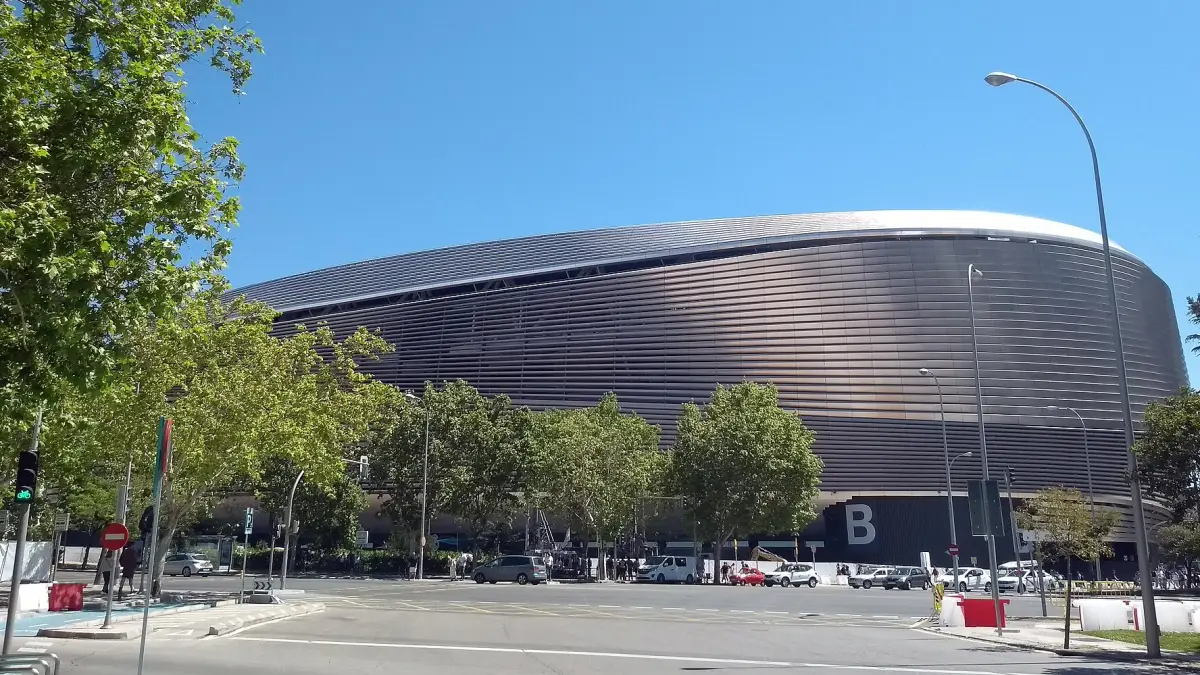
2030 World Cup: Every Host Country and Stadium, Explained
The 2030 World Cup spreads across six countries and three continents, opens in South America, and may crown the biggest stadium on Earth in Morocco. Here's every host and venue, explained.
Largest Stadiums in the World by Capacity: 2026 Rankings
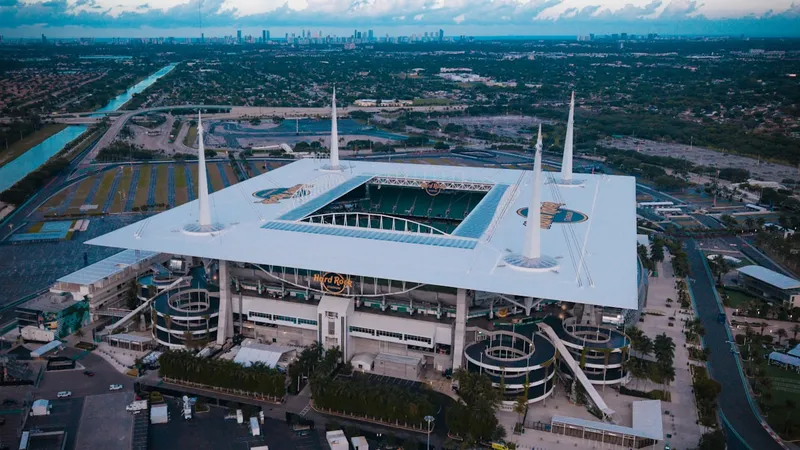
From Narendra Modi Stadium to the newly expanded Camp Nou, here are the biggest stadiums on Earth, ranked by capacity with the context that makes each one worth knowing.
The Most Expensive Stadiums Ever Built
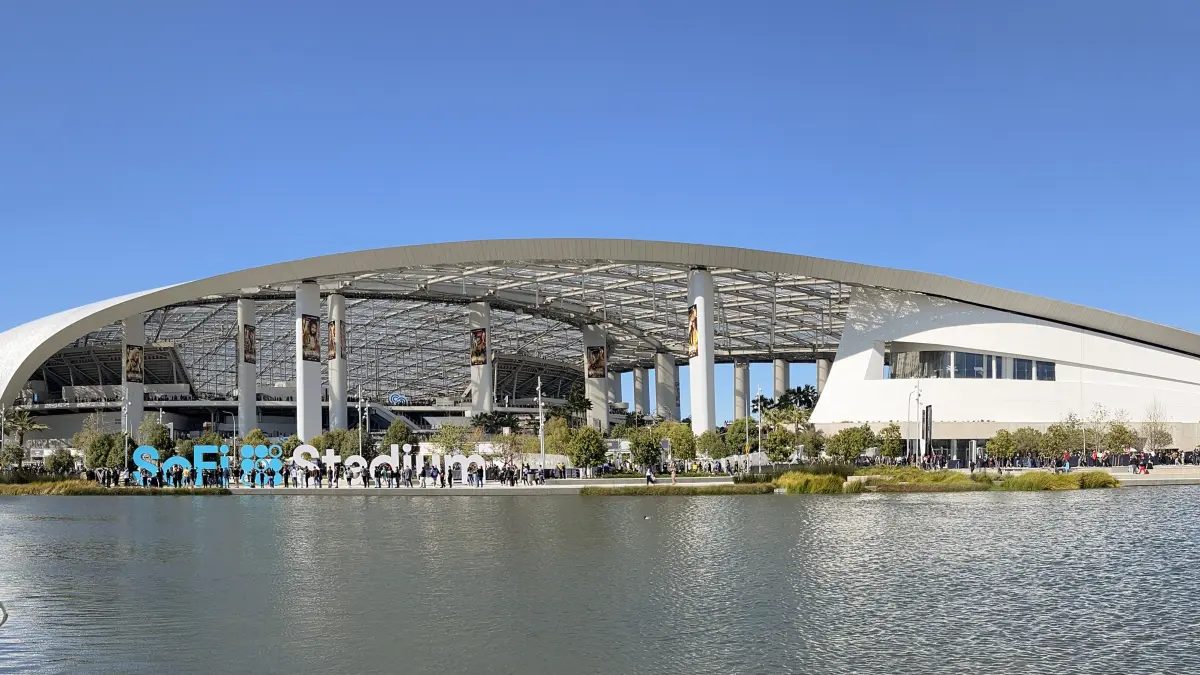
SoFi Stadium cost around 5.5 billion dollars, more than the next two most expensive stadiums combined. Here are the most expensive stadiums ever built, ranked by construction cost, plus the cost-per-seat math that shows which ones were really the wildest spends.
Follow the Road to 2030
We will tell you when FIFA ratifies the venues, when the final's home is decided, and as each host ground gets ready. No spam, just stadiums.