You’ve done this. You’ve called a stadium by its old name in front of somebody younger and watched the reference land on nothing. The building hadn’t moved. The seats were the same seats. What changed was a contract, and it changed because a company got bought, or went under, or rebranded, or sat down with a calculator and decided that having its name shouted by a stadium full of people was no longer worth what it was paying for the privilege.
Here’s what ten of those contracts cost. The right-hand column is ours, not anybody’s reported figure: we divided each total by its term, because that’s the only honest way to set a twenty-year deal beside a thirty-two-year one. SoFi’s row is the exception, since its deal was reported by the year to begin with, and Tottenham’s row is there because the most interesting price on the list is the one nobody has paid.
| Stadium | Sponsor | The deal | Per year, our calculation |
|---|---|---|---|
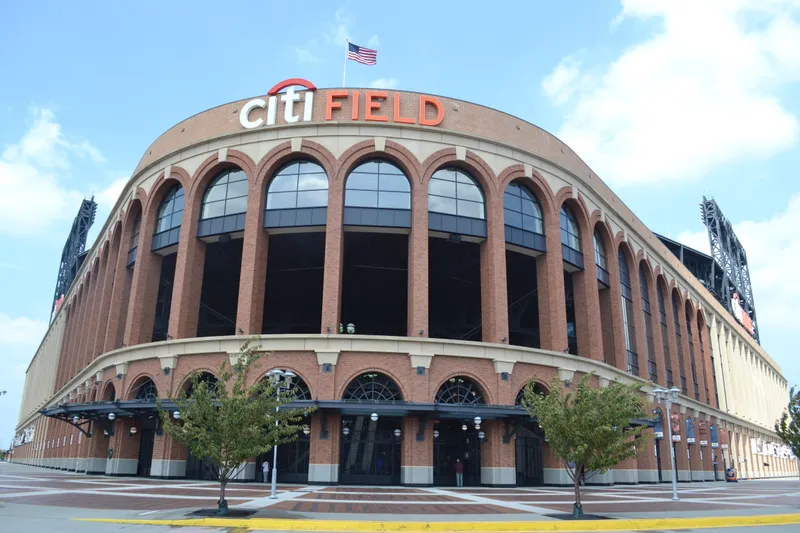
| Citi Field | Citigroup | $400m over 20 years, 2006 | $20.0m |
| NRG Stadium | Reliant Energy | $300m over 32 years | $9.4m |
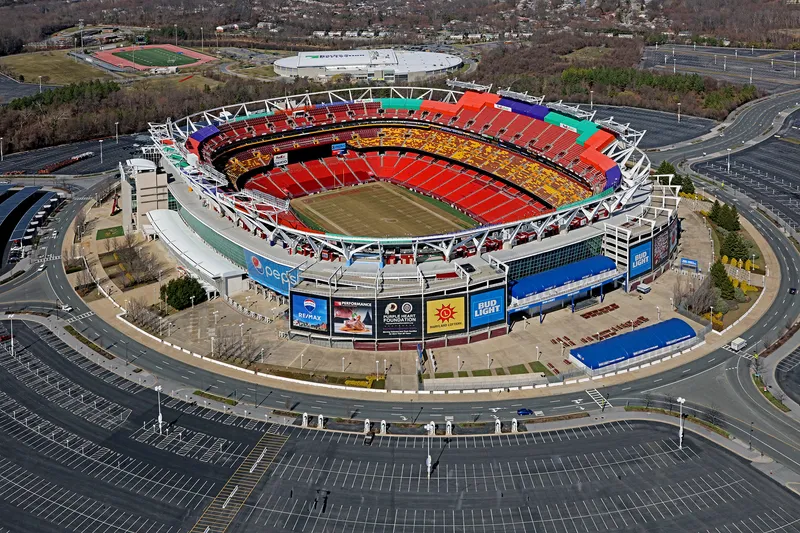
| FedExField | FedEx | $205m over 27 years, 1999 | $7.6m |
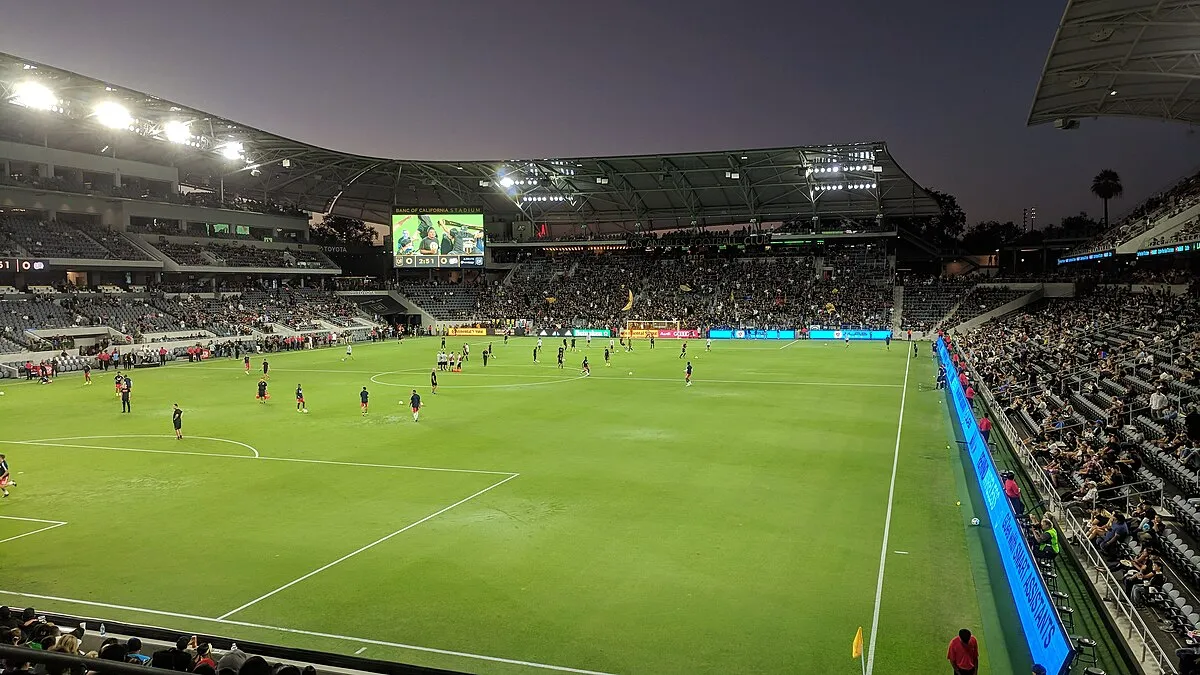
| LAFC’s stadium | Banc of California | $100m over 15 years | $6.7m |
| American Family Field | American Family Insurance | $60m over 15 years, 2021 | $4.0m |
| Minute Maid Park | Minute Maid | more than $100m over 28 years, 2002 | $3.6m |
| Enron Field | Enron | $100m over 30 years, 1999 | $3.3m |
| Great American Ball Park | Great American Insurance | $75m over 30 years | $2.5m |
| SoFi Stadium | SoFi | 20 years, reported at more than $30m a year | more than $30m |
| Tottenham Hotspur Stadium | none | unsold, reported asking price £25m a year | nothing |
Read that table down the third column and it tells one story. Read it down the fourth and it tells another, and the fourth column is the one that’s true. A $400 million deal and a $205 million deal sit about $12 million apart a year. That’s the money half of what follows. The other half is that a name is the most perishable thing in a stadium. One Houston ballpark has had four of them in twenty-five years, a California bank paid $20.1 million to remove its own, Tottenham have been trying to sell theirs for seven years without finding a buyer, and for thirty-nine days in 2026 FIFA made every stadium name at the World Cup disappear at once. The rest of this page is about what a company actually gets when it buys a name, and how long it gets to keep it.
What a stadium name actually costs
The number in the headline is the least useful number in the deal. It gets reported because it’s the biggest, and it tells you nothing because nobody pays a total. Companies pay a year at a time, over a term that varies far more than the money does, and the term is the part the headline leaves out.
Three deals on that table are quoted at $100 million or more. Enron’s ran thirty years, Minute Maid’s twenty-eight, Banc of California’s fifteen. Near-identical headlines, and the bank was paying about twice as much a year as either of the others. FedEx’s $205 million, agreed in 1999 for the Washington ground now called Northwest Stadium, was one of the most expensive naming deals in sport at the time. Spread across twenty-seven years it comes to $7.6 million annually, our arithmetic, which leaves FedEx within a million dollars a year of a bank that paid roughly half the headline. Reliant Energy’s $300 million for the building now called NRG Stadium looks like it belongs in the same conversation as Citigroup’s $400 million. It doesn’t. Reliant bought thirty-two years and Citigroup bought twenty, and per year Citigroup was paying more than double.
Citigroup’s is the deal people remember, and not for the arithmetic. It signed in 2006 for $400 million over twenty years, the largest total on the list, for the ballpark that became Citi Field. Two years later it took $45 billion in government bailout money during the financial crisis, and a stadium name became a public argument about what a bank should be spending on while it was being rescued. That’s what a twenty-year term buys you: eighteen more years for the world to change its mind about you.
$45 billion The government bailout Citigroup received during the 2008 financial crisis, two years into its twenty-year, $400 million deal to name Citi Field.
The strangest deal on the list is also the cheapest per year. Great American Insurance took thirty years for $75 million, which is $2.5 million a year by our math, and the deal was facilitated by Carl Lindner Jr, who was at the time the Reds’ majority owner and Great American’s chairman.
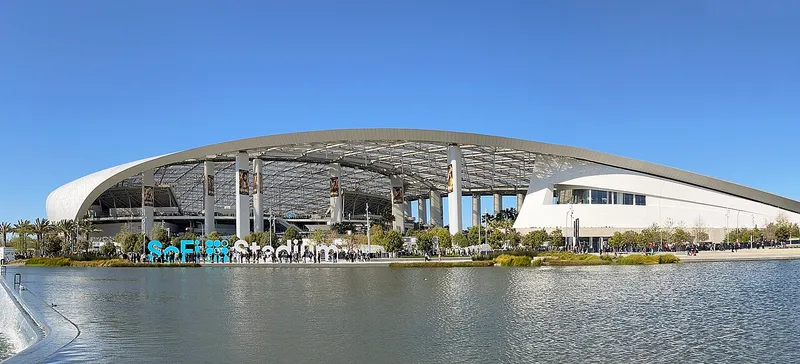
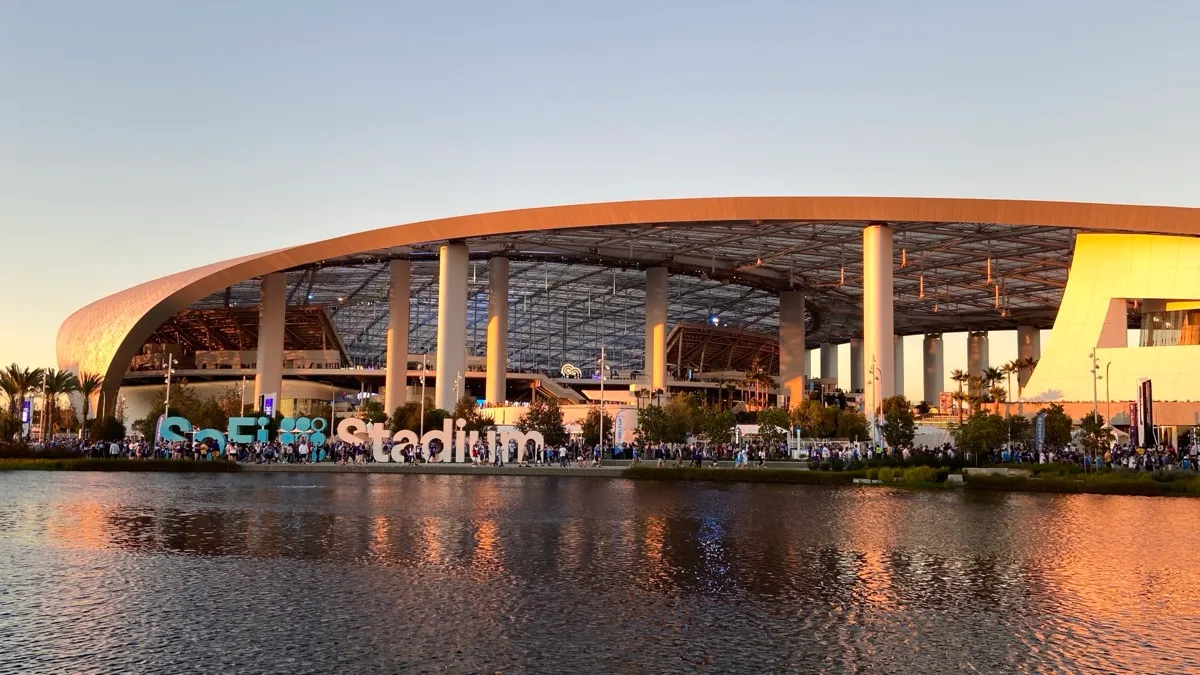
Then there’s SoFi, a San Francisco consumer lender, whose deal for SoFi Stadium was reported by the year rather than by the total: twenty years at more than $30 million annually. Citigroup’s total is the biggest on the list. SoFi pays more than Citigroup every year. The length is doing all the work, and what a name costs depends entirely on how long you’re prepared to be called it. If you want the other side of this ledger, who owns these buildings and who paid to put them up, we went through that in who actually paid for NFL stadiums.
The ballpark with four names in twenty-five years
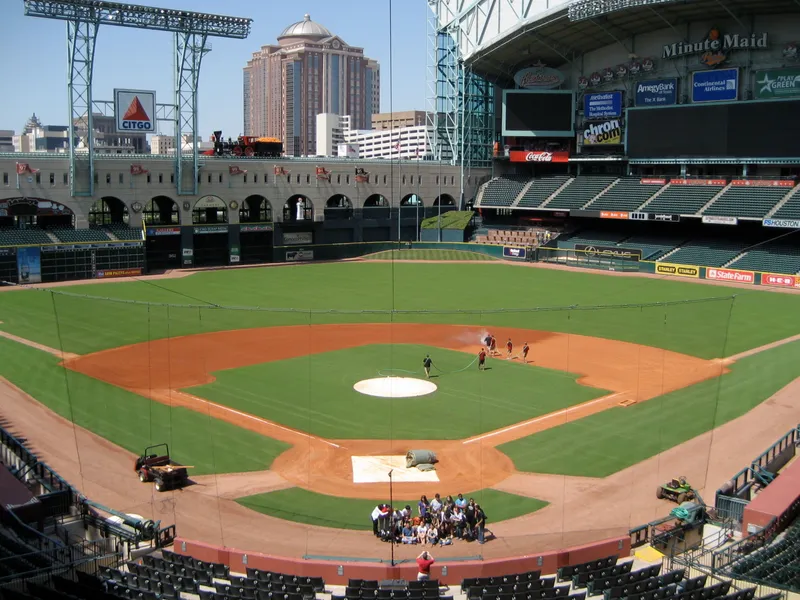
One building in Houston has been renamed three times in twenty-five years, and two of those renamings were the same disaster in two acts. Enron signed in 1999: $100 million over thirty years, $3.3 million a year by our arithmetic, for a ballpark that opened as Enron Field in 2000. Thirty years is a long time to promise anything. Enron’s name lasted two.
In February 2002, crews went around a two-year-old ballpark in Houston taking a bankrupt company’s name off it. Hundreds of signs. The letters had gone on in 1999 when the company was the seventh largest corporation in America, and they came down in a winter when saying the word out loud in Texas had started to mean something else entirely. For four months that spring the building was called Astros Field, which is what you call a stadium when you’ve run out of ideas and need the sign to say something.
Enron had filed for bankruptcy late in 2001. Drayton McLane, the Astros’ owner, bought the naming rights back that February and had the signs stripped, which meant the club paid to recover a name it had sold three years earlier. Astros Field lasted from February 7 to June 5, 2002. Then Minute Maid, a Houston-based Coca-Cola subsidiary, took twenty-eight years at a price ESPN reported as more than $100 million, near enough the same headline Enron had signed for. That name lasted until 2024, more than two decades, which for this building counts as permanence.
Daikin Comfort Technologies signed fifteen years beginning January 1, 2025, a deal that runs through the 2039 season at the ballpark now called Daikin Park. By our count that’s four names in twenty-five years: Enron Field, Astros Field, Minute Maid Park, Daikin Park. Enron signed for thirty and didn’t get there. Minute Maid signed for twenty-eight and didn’t get there either. If Daikin’s name is still on the building in 2039, it’ll be the first sponsor’s name this ballpark has ever carried to the end of its contract.
Four names in twenty-five years Enron Field, Astros Field, Minute Maid Park, Daikin Park: our count for one Houston ballpark that opened in 2000.
When the sponsor dies, the name dies with it
A club that sells its name is making a bet on the buyer’s solvency, and clubs aren’t good at underwriting that. They’re good at selling. The sponsor arrives with money and a logo, the club takes the money, and the question of what the building gets called if the money stops is nobody’s job to ask.
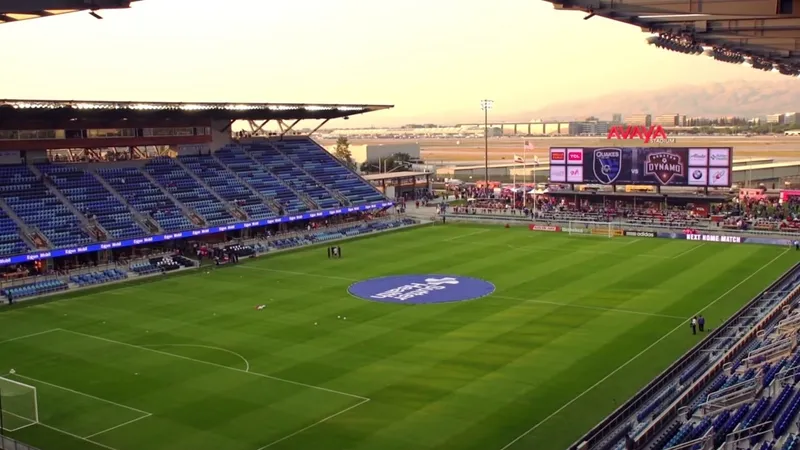
San Jose found out in 2020, when Avaya Stadium became Earthquakes Stadium after Avaya’s bankruptcy. The ground is now PayPal Park, on its third name. The club was left to replace a corporate name with its own, which is to say with nothing anybody paid for. RCD Espanyol has had it worse. Its ground has run through five names. One of them was Power8 Stadium, until that sponsor was exposed as an alleged $250 million pyramid fraud and the deal was torn up. A later deal with Stage Front collapsed too, with the club alleging it hadn’t been paid. Espanyol didn’t do anything to either company. It stood there with their names on its building while the names went bad.
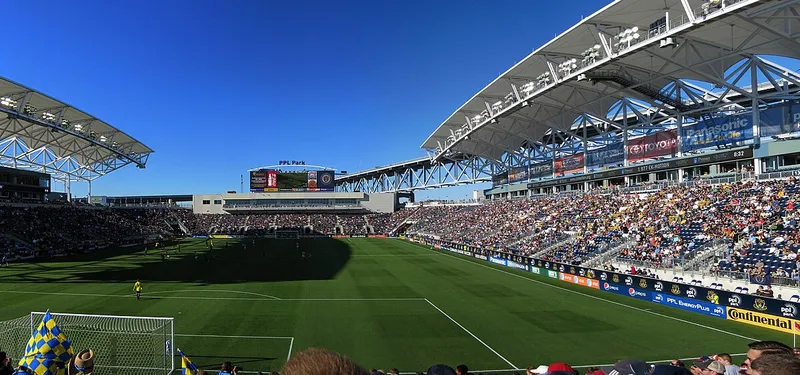
The name moves even when nobody fails. PPL Park, now Subaru Park, became Talen Energy Stadium because PPL spun its power-generation arm into a separate company and the naming rights went out the door with it. Reliant Stadium became NRG Stadium because Reliant’s parent rebranded. In neither case had the building done a thing. A decision in a boardroom in some other city, and the sign changes, and a club has to teach a whole town a new word.
None of this is rare enough to count as a curiosity. It’s the pattern, and the cost of it never lands on the sponsor that failed. It lands on Espanyol, which inherited a job: finding a company willing to put its name where an alleged fraud’s had just been. The collapse was the sponsor’s. The re-sell was the club’s.
The bank that paid $20.1 million to take its own name off
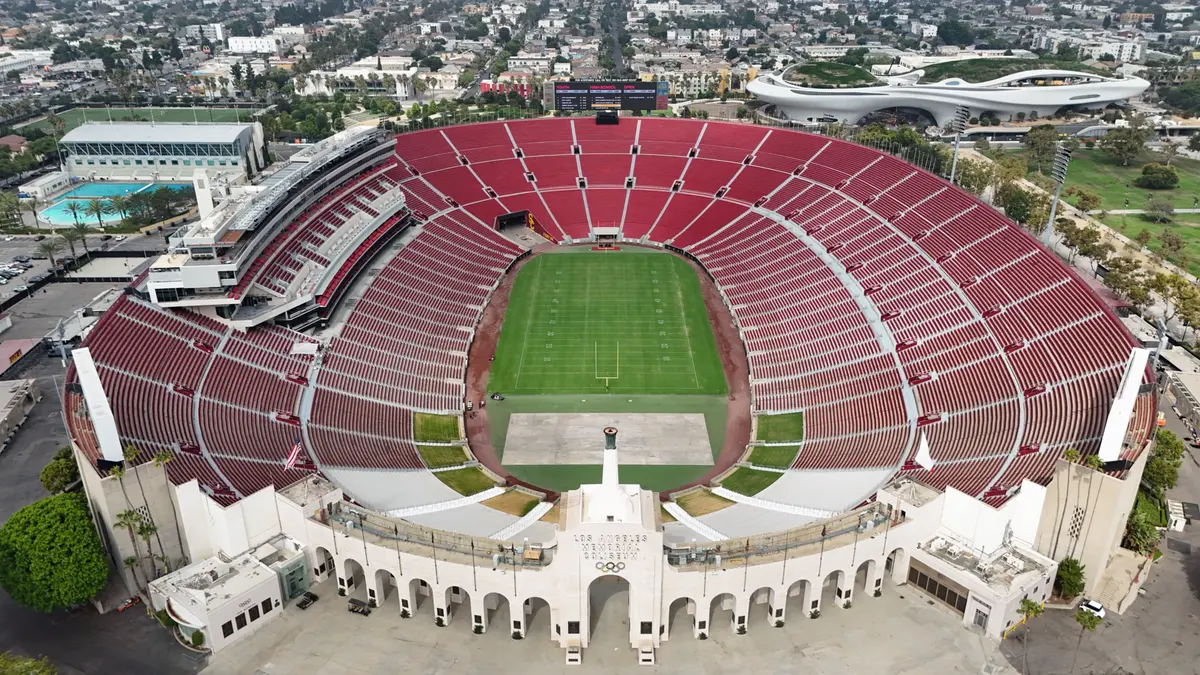
In 2020 a California bank worked out that having its name on a stadium was worth $20.1 million to stop. Banc of California had committed $100 million over fifteen years to the LAFC ground now called BMO Stadium, $6.7 million a year by our count, and with roughly twelve years still to run it wanted out. It paid a $20.1 million termination fee to leave.
$20.1 million The termination fee Banc of California paid in 2020 to take its name off LAFC’s stadium with roughly twelve years left on the deal.
The bank didn’t put it in terms of embarrassment. Jared Wolff, its president and chief executive, filed the exit alongside balance-sheet restructuring and deposit costs, one of several steps toward what he called “sustainable, long-term franchise value.” Which is roughly how a bank says a sponsorship had become too expensive to keep.
The analysts watching were blunter about it. Matthew Clark at Piper Sandler praised the “proactive decision” to end what he called “a grossly expensive” investment, and put about three years on the savings covering the fee. Gary Tenner at D.A. Davidson had the fifteen-year arrangement costing the company roughly ten cents a share, every year.
What $20.1 million bought was $6.7 million a year back, which is precisely what the name had been costing. Paying twenty million dollars to stop paying is a sentence that shouldn’t make sense, and it does. Banc of California stayed on as the club’s bank. It just stopped being the stadium.
The names nobody has bought
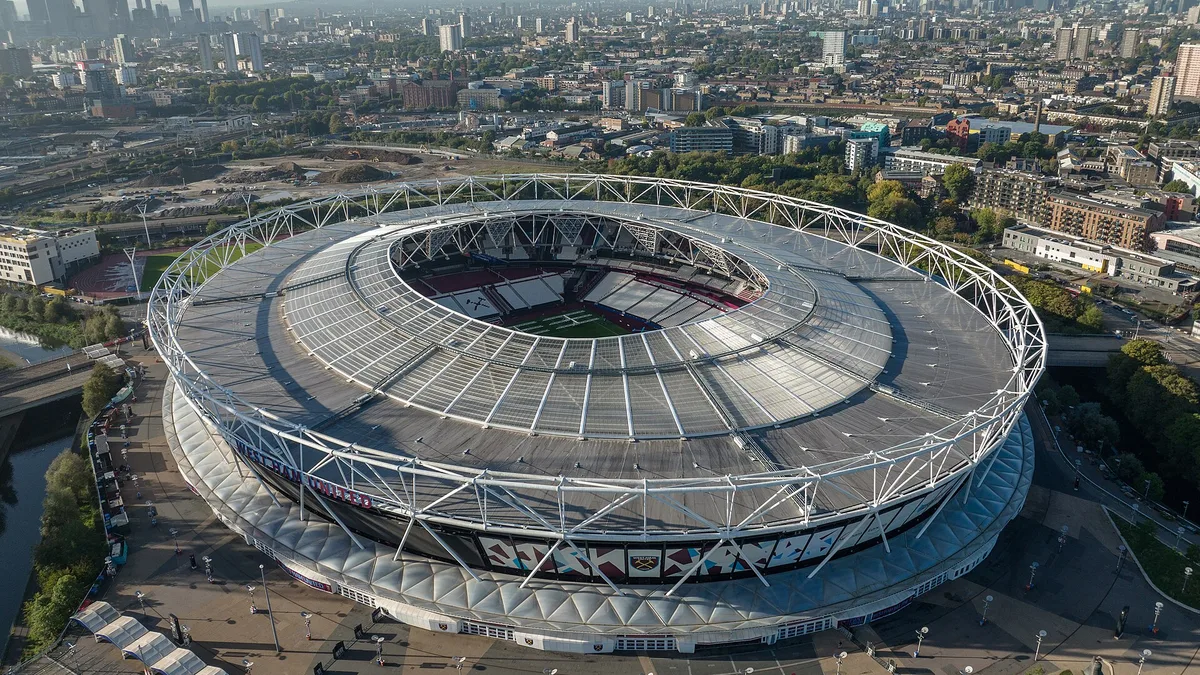
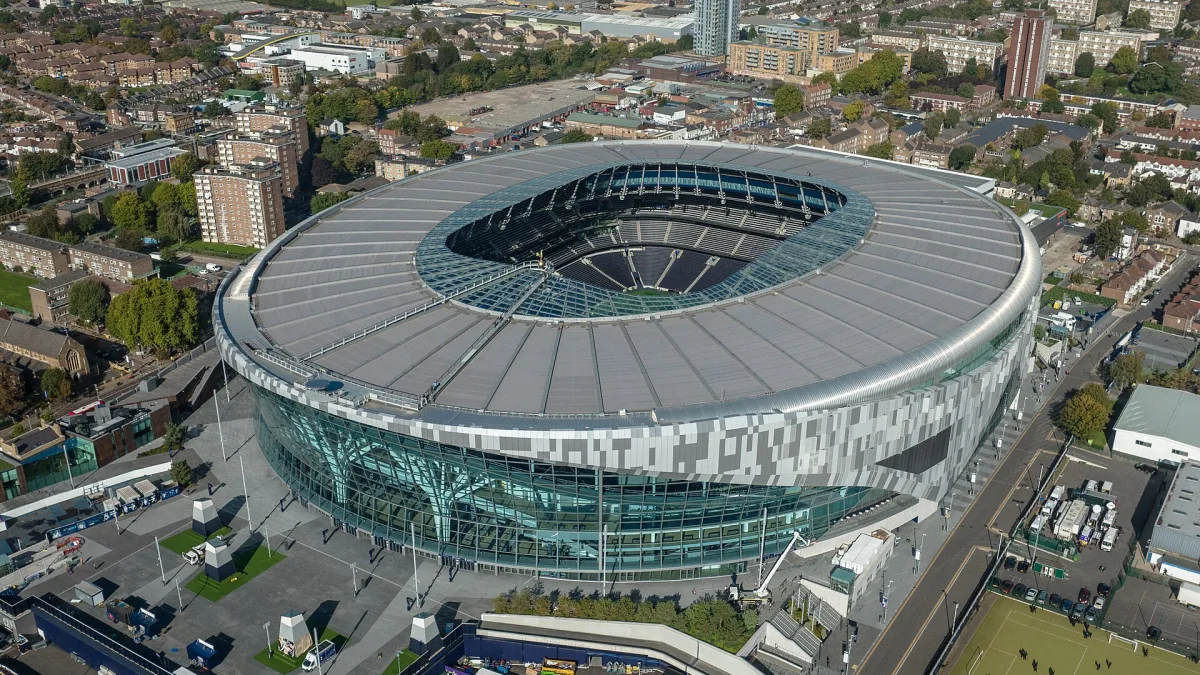
Tottenham have been trying to sell their stadium’s name for seven years, and the reason nobody has bought it is the price. Tottenham Hotspur Stadium opened in 2019. Seven years later the naming rights are still available, and reports have put the club’s asking price at £25 million a year. Spurs’ own chief revenue officer will not say whether those initial figures still hold. Nobody has paid them. So the building carries the club’s name, and has since the day it opened.
Spurs have adjusted. The club now sells the building a stand at a time, under a program it calls The Collective, and SI Tickets took the East Stand on a twelve-year deal that pointedly does not include naming rights to the stand itself. The club’s chief revenue officer says a full-stadium deal is “very much on the table”, which is what you’d say either way. A sponsorship of a stand that doesn’t rename the stand is a new kind of product, invented by a club that can’t sell the old kind at its price.
Buyers do exist, at a lower number. Everton’s new ground sold its name to Hill Dickinson, a Liverpool-rooted commercial law firm, in May 2025 at a reported £10 million a year, one of several deals reshaping the new stadiums in English football. That’s a real figure from a real buyer, and it’s at most half of what Spurs are said to want.
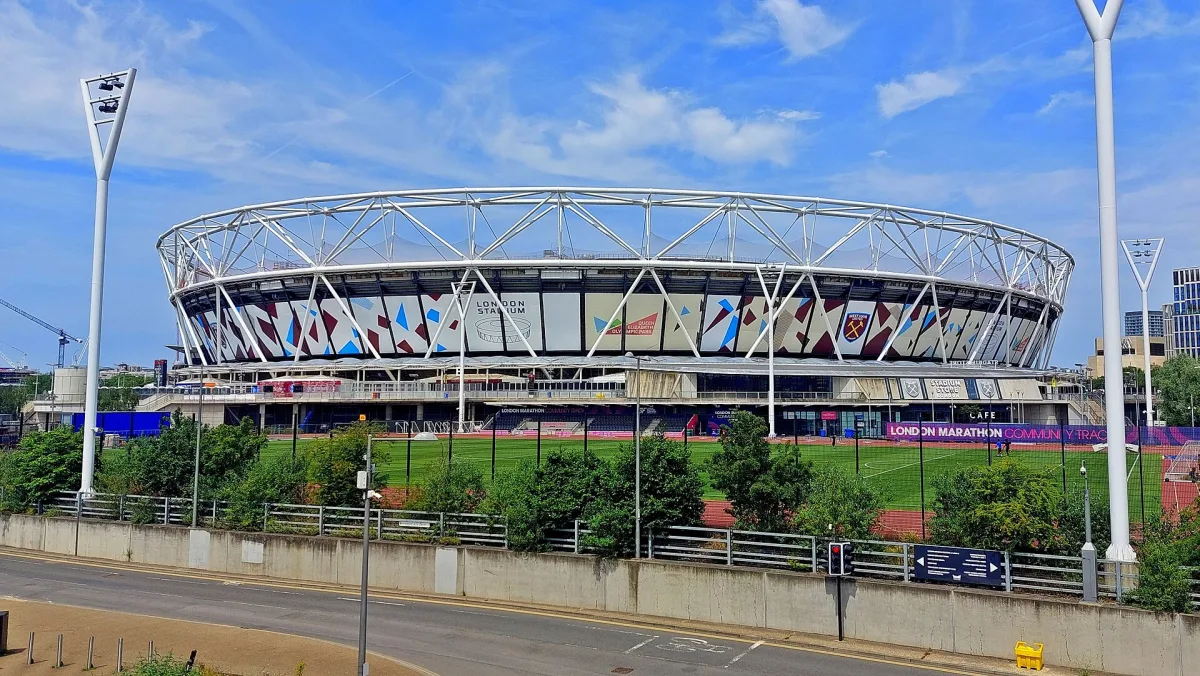
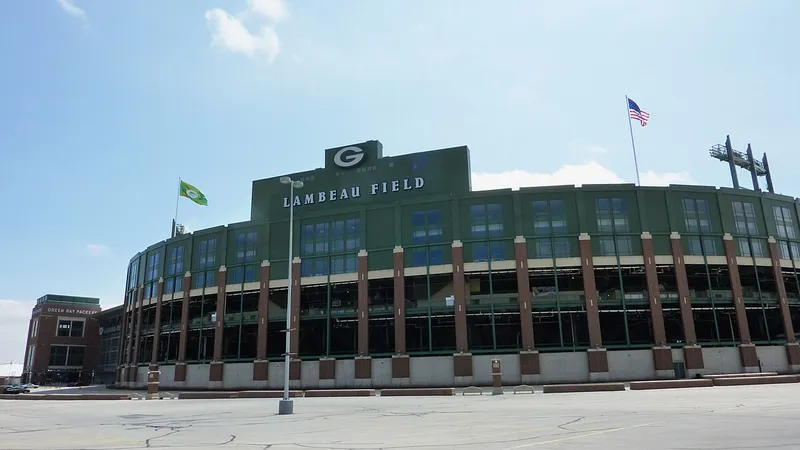
Some names stay unsold for other reasons, and England has more of them than you’d expect: Old Trafford and Anfield both carry no sponsor’s name at all. London Stadium has never sold its naming rights either, so a stadium in a city of nearly nine million people is called, flatly, London Stadium. Lambeau Field sits in Green Bay, population roughly 107,000, the smallest market in major North American professional sport, and the Packers, who play there, are the only community-owned non-profit franchise in the United States. The name on the building is a person’s. It has never been for sale, and the Packers have never had to teach their town a new word for the place.
Which leaves Tottenham, asking around £25 million a year and getting it from nobody. That’s something close to SoFi money, for a building that isn’t in Los Angeles. Until somebody agrees, the stadium is named after the club, which is what stadiums used to be called anyway.
Then FIFA turns up and deletes all of it
For thirty-nine days in 2026, between the opening match on June 11 and the final on July 19, almost none of these names officially existed. FIFA’s clean stadium policy requires World Cup host venues to remove or conceal branding from any company that isn’t an official tournament sponsor, with signage and logos inside the venue covered, removed or replaced, and the policy reaching into anything that might appear in an official broadcast. A stadium’s name is branding. So all sixteen venues got a temporary one, for the plain reason that the companies who paid for the naming rights are not FIFA sponsors.
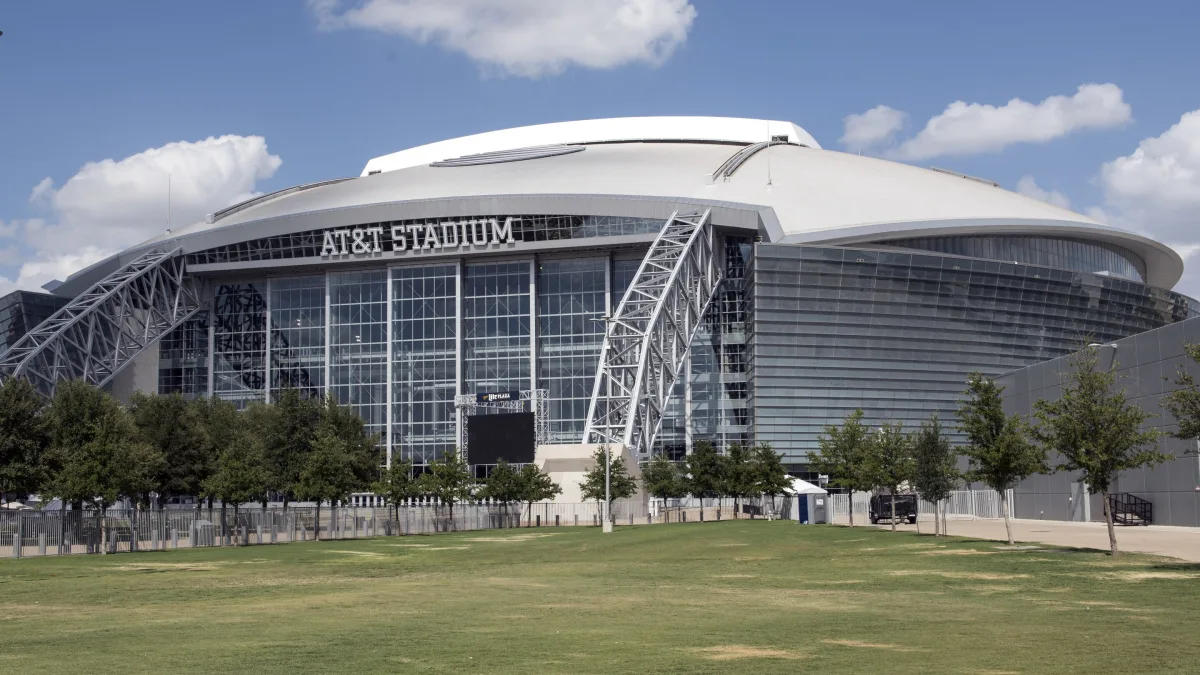
Ten of the eleven American venues had a corporate name to lose. SoFi Stadium became Los Angeles Stadium, and the lender paying more than $30 million a year watched it come off the building. MetLife Stadium, which hosted the final, spent the tournament as New York New Jersey Stadium. AT&T Stadium became Dallas Stadium. NRG became Houston Stadium, Levi’s became San Francisco Bay Area Stadium, Mercedes-Benz became Atlanta Stadium, Hard Rock became Miami Stadium, Lumen became Seattle Stadium, Lincoln Financial Field became Philadelphia Stadium. Every one of those companies had bought the right to be called something, and during the weeks the world was looking straight at those buildings, none of them were.
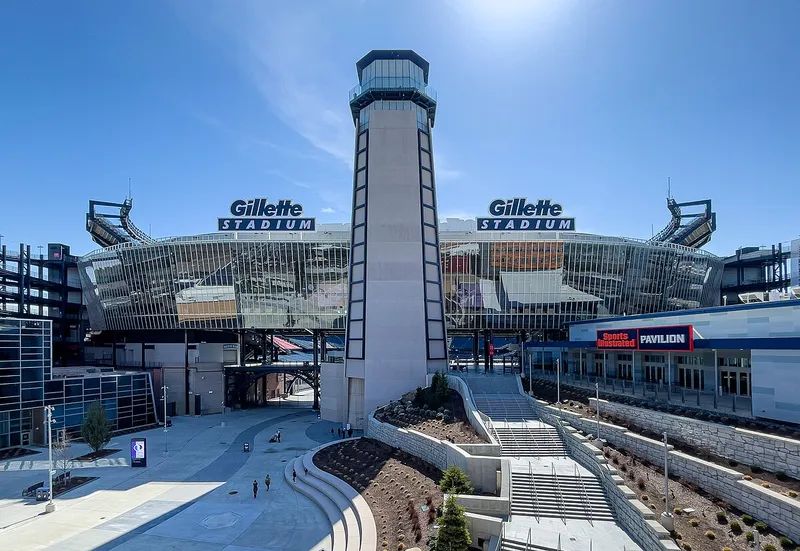
About 48 kilometers The distance from Gillette Stadium to Boston, the city FIFA named it after for the 2026 World Cup.
Gillette Stadium spent the tournament as Boston Stadium, a name that would have surprised anyone who actually drove to it.
The eleventh American venue is the one that gives the policy away. Arrowhead has been Arrowhead since 1972 and no company has ever bought that name; the sponsor there, GEHA, has its name on the field, not the building. FIFA renamed it Kansas City Stadium anyway. There was no corporate name to remove and it went regardless, which tells you this was never about punishing a particular sponsor. It’s about the surface being clean. Only BC Place in Vancouver came through more or less intact, and even it had to become BC Place Vancouver.
The covering up was literal. At Levi’s Stadium a large corporate logo was physically covered over before the tournament started, and because FIFA’s marketing policy follows the pictures rather than the building, anything a camera might catch had to go the same way. Somebody paid to put those signs up. Somebody else then paid to hide them. The building didn’t change at all. Set beside what these places cost to build, the tape is a rounding error, and it still had to be found.
So here’s what a company buys when it buys a stadium’s name. It buys the right to be called something for exactly as long as both the company and the contract survive, and that’s routinely shorter than the building. Enron’s name made it two years into thirty. Banc of California paid $20.1 million to leave twelve years early. The Houston ballpark’s fourth name runs to 2039, if Daikin and Daikin’s contract both get there. Tottenham’s building has no name to run at all. And for thirty-nine days in 2026 none of that mattered, because FIFA covered everything up anyway, and the buildings sat under their temporary city names and looked exactly as they always had.
The stadium always outlasts the name. It’s the only party to the deal that was never going anywhere.
Sources
- The Houston ballpark: ESPN on the Enron buyback, June 2002, Supermarket News on the Minute Maid deal, MLB.com on the Daikin agreement. The full naming trail from 1999 to 2039 in date order.
- Banc of California: American Banker on the decision to exit, the bank’s investor filing on the termination. The $20.1 million fee, the $6.7 million a year it recovers, and what the bank and its analysts said.
- Enron’s standing: US Senate Homeland Security Committee statement on the bankruptcy. Confirms Enron ranked seventh largest in America when it filed in December 2001.
- FIFA’s clean stadium: PBS NewsHour on all 16 venues and their tournament names, AllAboutLaw on how the policy cuts across naming rights, Logos Press on what was covered over inside the venues. The renames, why FIFA requires them, and how far the rule reaches.
- Tottenham: SportsPro interview with Spurs’ chief revenue officer. The Collective, the East Stand deal that excludes naming rights to the stand, and the chief revenue officer declining to say the reported figures still hold.
Hero photo: SoFi Stadium by Troutfarm27, CC BY-SA 4.0.
Per-year figures in the table are our own arithmetic, dividing each reported total by its reported term, and are labelled as such. Where sources disagree on a figure we have given the range rather than picking one. Reported deal values are what the parties or the press have disclosed; many naming-rights contracts are never published in full.