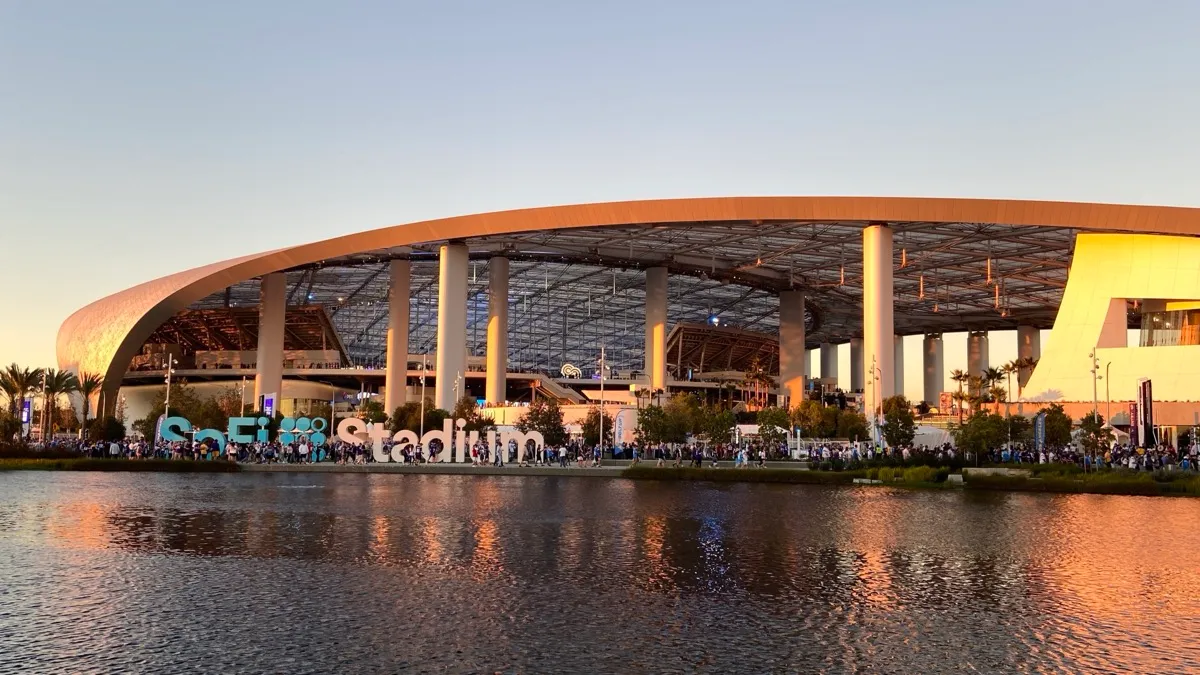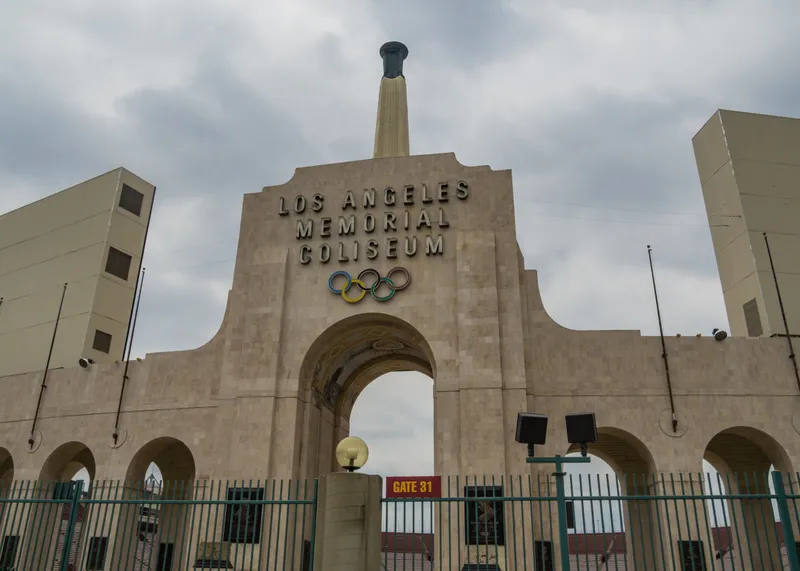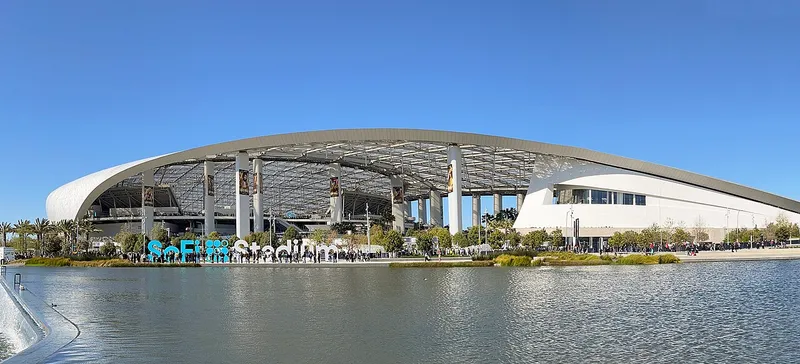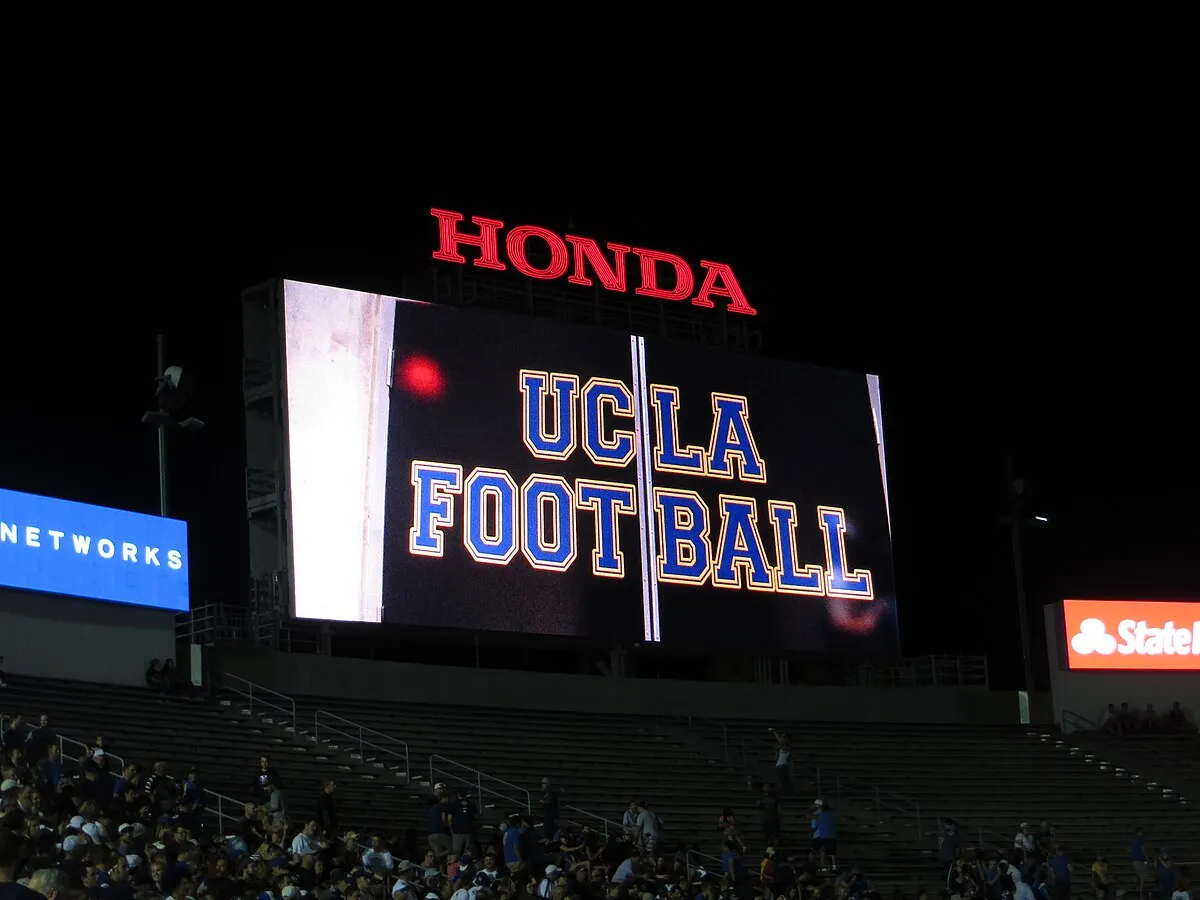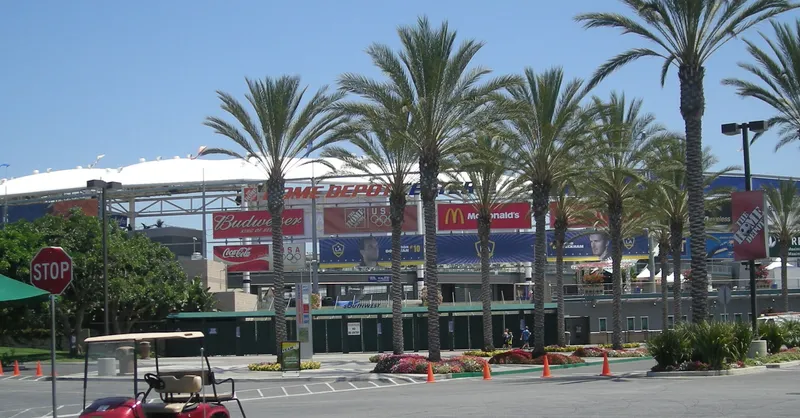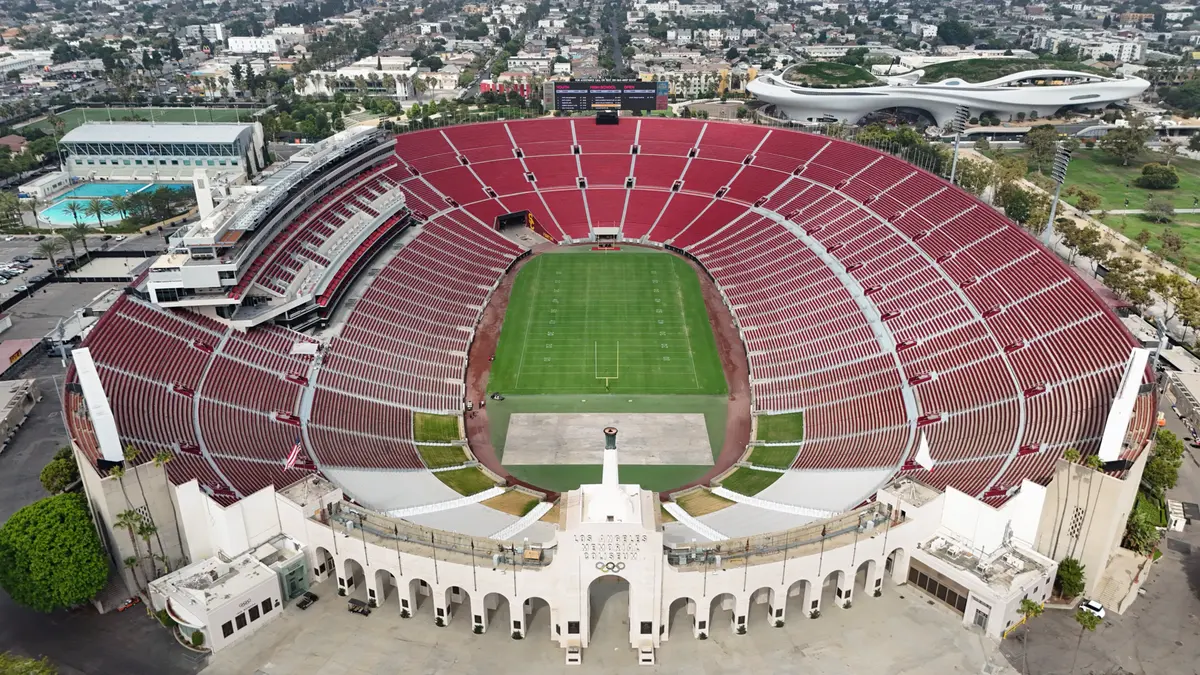
On the night of July 14, 2028, the Olympics will open in two stadiums at once. The LA Memorial Coliseum and SoFi Stadium, five miles apart, will split a single opening ceremony between them, something no Games has ever tried. Sixteen days later the closing ceremony belongs to the Coliseum alone, after the Los Angeles City Council voted unanimously to drop SoFi from that half of the arrangement.
The two-stadium opener is the loudest symptom of the strangest thing about these Games: Los Angeles is building nothing. LA28 says this will be the first Olympics in 80 years to add no new permanent venues. More than 40 competition sites, 36 Olympic sports, 23 Paralympic sports, over 800 events, and every venue either already exists or is temporary. The last host to pull that off was London in 1948, on postwar rationing.
So the story of LA 2028 isn’t architecture. It’s geography. Swimming happens inside a $5.5 billion football stadium. Softball happens 1,180 miles away in Oklahoma City. Six of the seven football venues aren’t in Los Angeles, and one of them hasn’t finished being built. If you’re planning a trip, the map matters more than the medal table, so here it is.
Every venue, zone by zone
Games-time names are their own small mess, covered further down. This table uses the names on the buildings today.
| Zone | Venues, with what each hosts |
|---|---|
| Downtown & Exposition Park | LA Memorial Coliseum 77,500, athletics and both ceremonies · Dodger Stadium 56,000, baseball · BMO Stadium 22,000, flag football and lacrosse sixes · Crypto.com Arena, gymnastics and boxing finals · Peacock Theater, boxing prelims and weightlifting · Galen Center, badminton and rhythmic gymnastics · LA Convention Center, fencing, judo, taekwondo, wrestling and table tennis |
| Inglewood | SoFi Stadium 70,240, swimming and the opening ceremony · Intuit Dome, basketball |
| Carson | Dignity Health Sports Park 27,000, archery and rugby sevens · VELO Sports Center, track cycling · DHSP Tennis Center, tennis · DHSP Fields, field hockey |
| Long Beach & the coast | Marine Stadium, rowing and canoe sprint · Long Beach Arena, handball · Long Beach Aquatics Center, artistic swimming and water polo · Long Beach Climbing Theater, sport climbing · Target Shooting Hall, rifle and pistol · Alamitos Beach, beach volleyball · Belmont Shore, marathon swimming, sailing and coastal rowing · Port of Los Angeles, sailing · Venice Beach, triathlon and the marathon start |
| Pasadena & San Gabriel Valley | Rose Bowl 89,702, football semifinals and both gold medal matches · Rose Bowl Aquatics Center, diving · Santa Anita Park, equestrian · Pomona Fairplex, cricket in a temporary stadium |
| Around LA | Honda Center, indoor volleyball · Riviera Country Club, golf · Comcast Squash Center in Universal City, squash · Industry Hills, mountain bike · Griffith Park, road cycling · Whittier Narrows, shotgun shooting · Trestles in San Clemente, surfing |
| San Fernando Valley | Sepulveda Basin and the Valley Complexes, 3x3 basketball, BMX, skateboarding and modern pentathlon |
| Oklahoma City | Devon Park, softball · RIVERSPORT Rapids, canoe slalom |
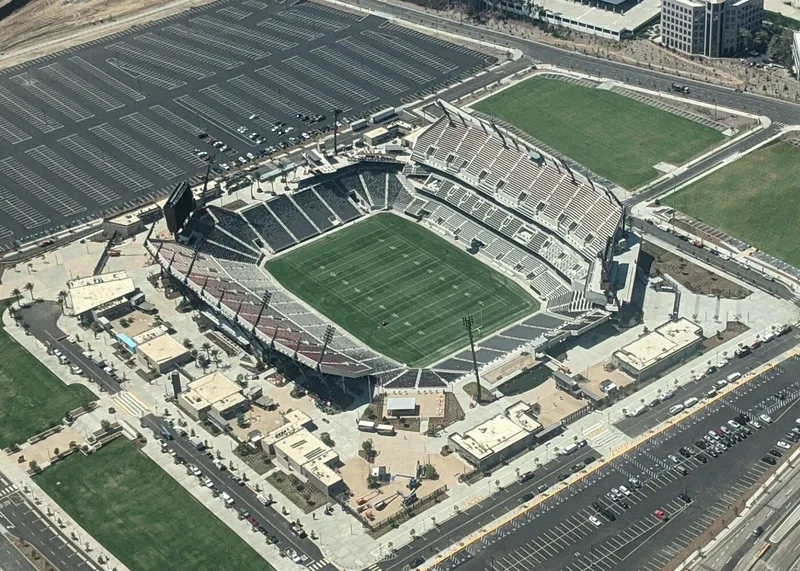
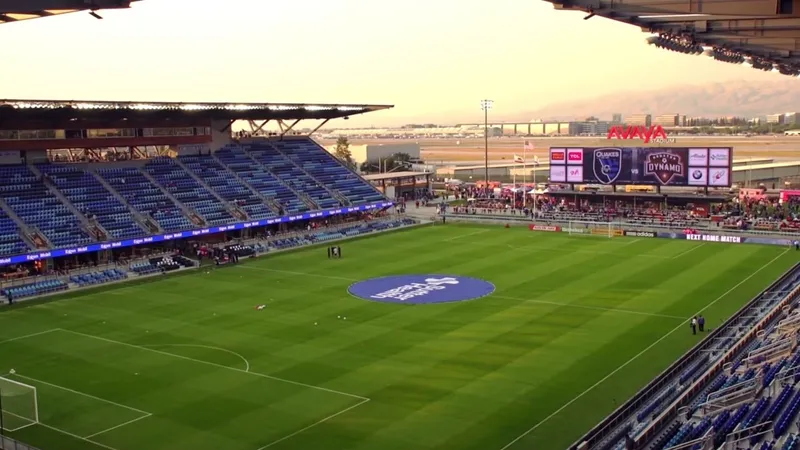
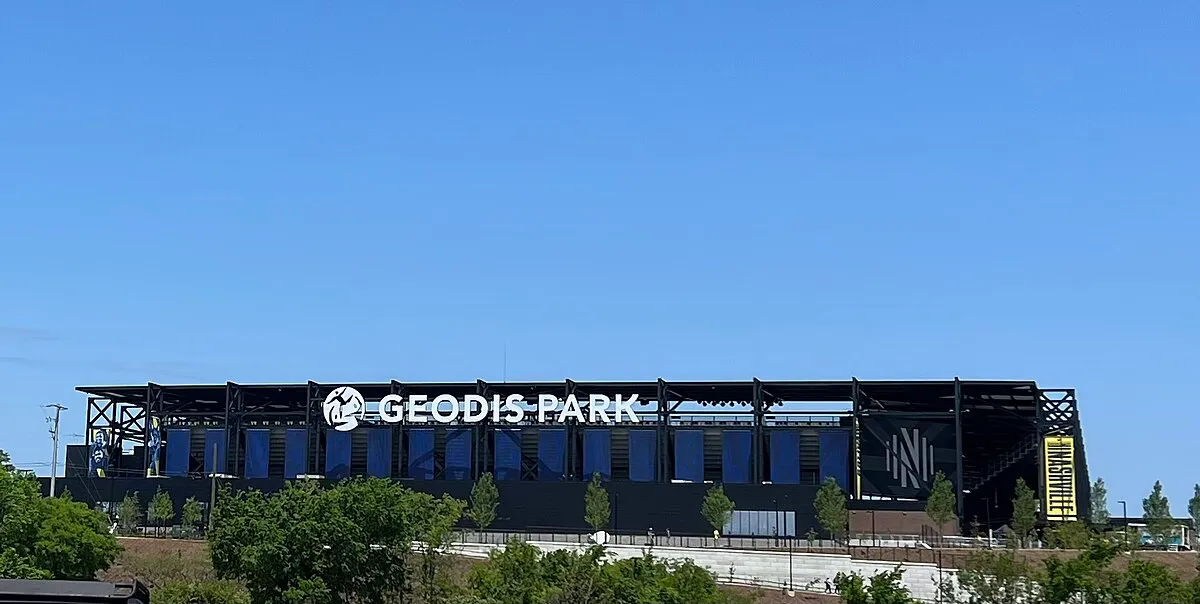
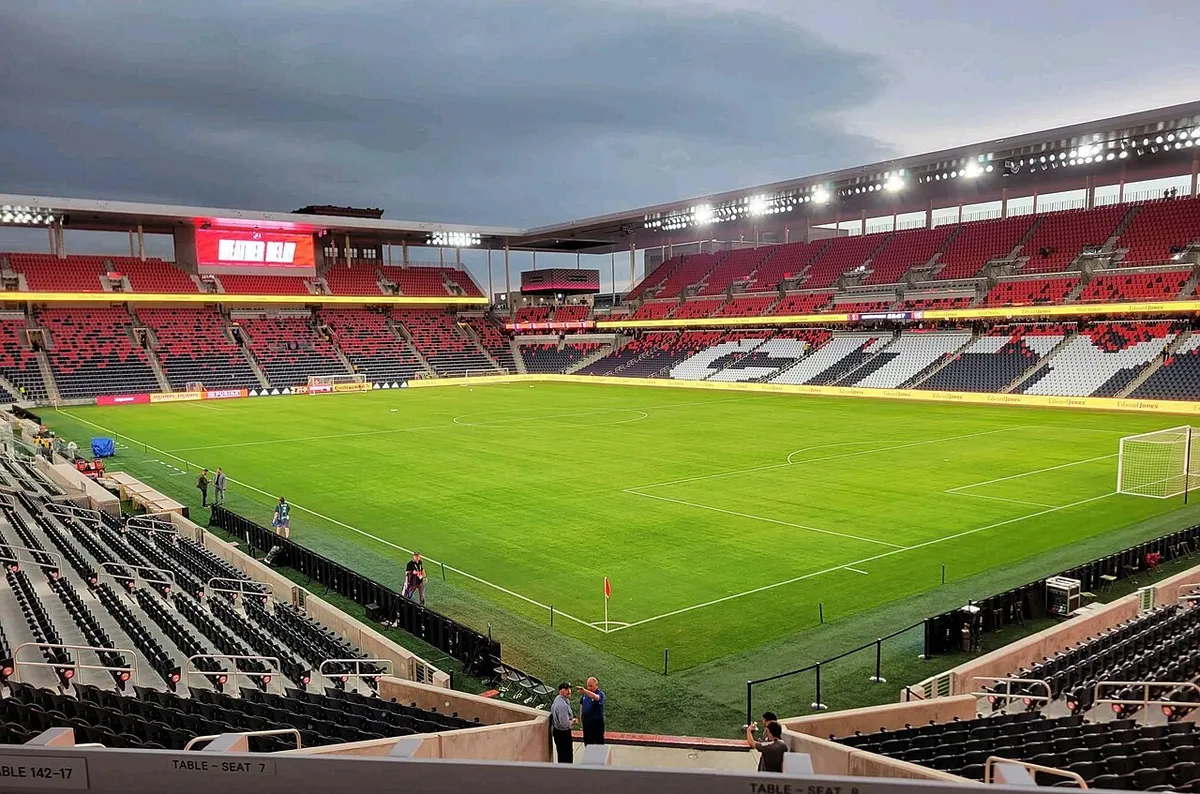
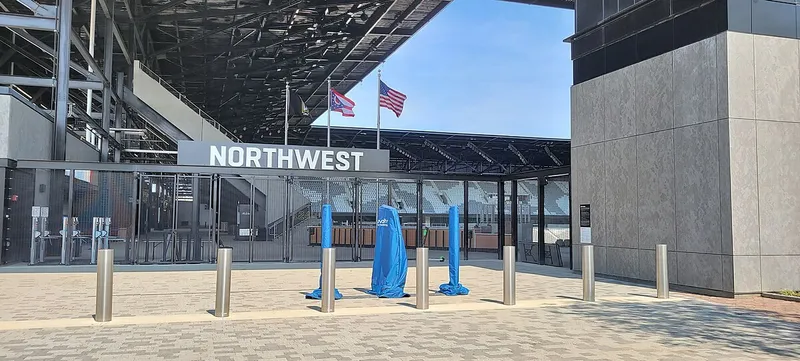
| Football, six more cities | Snapdragon Stadium San Diego 35,000 · Geodis Park Nashville 30,109 · Etihad Park New York 25,000 · Energizer Park St. Louis 22,423 · ScottsMiracle-Gro Field Columbus 20,808 · PayPal Park San Jose 18,000, women’s tournament only |
Two items on LA28’s plan are still open: the race walk course and the marathon finish. The marathon start is fixed at the Venice Beach Boardwalk. Every confirmed site, including the sports that never leave an arena, is mapped in our Los Angeles 2028 Olympics guide.
Nothing new since rationing
The last host to build no new permanent venue was London in 1948, and nobody at the time called it a philosophy. Britain was still on ration books. Athletes were billeted in former army and RAF camps. Bed linen was provided; competitors were told to bring their own towels or hire them from the organisers. At Wembley, the existing greyhound track was dug up, not covered over, and a cinder athletics track laid in its place. When it rained during the Games, the cinder turned into a gritty bog.
LA isn’t doing this out of scarcity. It’s doing it because the alternative has a record. Several of the venues Athens built for 2004 were abandoned or falling apart within a decade, though some stayed in use or were repurposed. Rio 2016 went much the same way. Paris 2024 chose the opposite answer with open eyes: it built a permanent Aquatics Centre in Saint-Denis specifically to leave a public pool in a district short of them, and put up the Adidas Arena besides. For Paris that was a reasonable trade. For Los Angeles, a city that already owns two 70,000-plus stadiums, an arena that opened in 2024, and a Coliseum with a century of history, building anything would have been decoration.
80 years. The gap since a Summer Games host built no new permanent venue. London managed it in 1948 with borrowed army camps. LA is managing it in 2028 with a $5.5 billion stadium somebody else already paid for.
Why the opening ceremony needs two stadiums
The split ceremony isn’t a spectacle looking for an excuse. It falls out of a scheduling decision. LA28 moved athletics into week one and swimming into week two, reversing the order every Olympics normally runs. Athletics lives at the Coliseum and swimming at SoFi, so each stadium anchors one week of the Games, and the trade was that each gets a share of opening night. One ceremony, two buildings, five miles between them.
The closing ceremony on July 30 is the Coliseum’s alone, and the council’s unanimous vote to strip SoFi from that half reads less like a snub than a restoration. The Coliseum closed the Games in 1932 and in 1984. It will close them a third time.
There’s also an asterisk on “opening” itself. Football kicks off on July 10, four days before the ceremony, with group matches running July 10 to 17 in stadiums as far away as Queens. The Games start before the Games start. The Paralympics follow from August 15 to 27, back on home turf.
The $5.5 billion swimming pool
SoFi Stadium cost $5.5 billion and seats 70,240 for football. For the second week of these Games it becomes a natatorium. A temporary Olympic pool goes inside the bowl, and LA28 says the result “will become the largest swimming venue in Olympic history.”
Here’s what they haven’t said: how many seats that actually means. The swimming-configuration capacity has not been published anywhere. The claim is probably safe, since Olympic swimming normally happens in buildings a fraction of this size, but until a number appears, “largest ever” is a promise rather than a stat.
The pool also explains an oddity on the map. Aquatics is split three ways because no single building in the plan holds all of it: diving goes to the Rose Bowl Aquatics Center in Pasadena, artistic swimming and water polo to Long Beach, and marathon swimming to open water off Belmont Shore. A fan who wants to see all of aquatics will cover more than 30 miles doing it.
30-plus miles. How far a fan has to travel to see all of Olympic aquatics: the pool in Inglewood, diving in Pasadena, water polo in Long Beach, and marathon swimming off Belmont Shore.
The Coliseum, three Games deep
The LA Memorial Coliseum hosted the Olympics in 1932 and 1984, which makes 2028 its third. The accurate wording, and LA28 is careful with it, is “the first venue in history to host events for three Olympic Games.” First, not only: the Rose Bowl gets there too, having staged track cycling in a temporary velodrome in 1932, the soccer final in 1984, and football again in 2028. The Coliseum just crossed the line first.
The building has earned the ceremony. The peristyle arches and the Olympic cauldron above them were added for 1932, when capacity was pushed to 101,574; it seats 77,500 today. In between Olympics it hosted Super Bowls I and VII, drew 92,706 for Game 5 of the 1959 World Series (still a baseball record), packed in 134,254 for a Billy Graham crusade, staged JFK’s presidential nomination acceptance speech, and once had a NASCAR track laid inside the bowl. Most Olympic stadiums spend the decades between Games justifying their existence. This one never had the problem.
Football packs up and leaves town
Football is the one sport that abandons Los Angeles almost entirely: 58 matches, 7 venues, 28 teams, and only five of those matches in LA County. LA28’s stated logic is that the tournament moves progressively east to west as teams advance, so the deeper a team goes, the less it flies.
The allocations tell you where the organisers think the drama is. Snapdragon Stadium in San Diego gets 11 matches, the most of any venue: six women’s group matches, a women’s quarterfinal, a men’s and a women’s semifinal, and both bronze medal matches. Geodis Park in Nashville gets nine, including both July 20 and 21 quarterfinal dates. PayPal Park in San Jose gets seven and is the only venue with an all-women’s schedule. And the Rose Bowl gets just five, with no group stage at all, the only venue without one: a women’s quarterfinal, one semifinal from each tournament, and both golds, men’s on July 28 and women’s on July 29. Men’s group-stage football happens only in New York, Columbus, Nashville and St. Louis.
The field itself is lopsided in a way worth noticing: 16 women’s teams and 12 men’s, making LA28 the first Games where every team sport fields at least as many women’s teams as men’s. The men’s tournament is under-23 with three overage players allowed, the rule since 1996. The women’s has no age limit and is a full senior competition. Put those together and the July 29 women’s final at the Rose Bowl is the real main event of Olympic football, and the schedule, which gives it the last word of the tournament, treats it that way.
For scale, the 1984 tournament used four stadiums (the Rose Bowl, Stanford, Harvard Stadium in Boston, and the Navy-Marine Corps Memorial Stadium in Annapolis), 16 teams, 32 matches, men only. The final at the Rose Bowl drew 101,799 for France’s 2-0 win over Brazil.
101,799. The crowd at the Rose Bowl for the 1984 Olympic final. No 2028 venue holds that many, the Rose Bowl included at 89,702 today.
One of the seven football grounds does not exist yet. Etihad Park in Willets Point, Queens, the future home of New York City FC, broke ground in December 2024, topped out in March 2026, and is scheduled to open on July 17, 2027, a year before its Olympic matches. It’s a 25,000-seat, roughly $780 million build designed by HOK, and NYCFC calls it “New York’s first professional soccer-specific stadium” and, separately, “MLS’s first fully-electric stadium.”
Softball is in Oklahoma, and that’s the right call
Devon Park in Oklahoma City hosts the NCAA Women’s College World Series, which makes it the closest thing American softball has to a cathedral. It carried the USA Softball Hall of Fame name until May 6, 2024, when it was rebranded Devon Park. Canoe slalom goes next door to RIVERSPORT Rapids, a purpose-built whitewater course in the city’s Boathouse District. It sits on the Oklahoma River, which isn’t quite its own river: it’s a dammed, channelled stretch of the North Canadian, raised rather than dug.
Sending two sports 1,180 miles away sounds like an admission of failure. It’s the opposite. The honest alternatives were a temporary softball stadium in an LA parking lot or a whitewater channel built for three weeks of use, the exact kind of spending that left Athens with ruins. Playing softball where softball already sells out is what “no new venues” looks like when you actually mean it.
1,180 miles. The straight-line distance from the Coliseum to Devon Park. That’s the gap between the athletics track and the softball diamond at the same Olympics.
Five new sports, zero new buildings
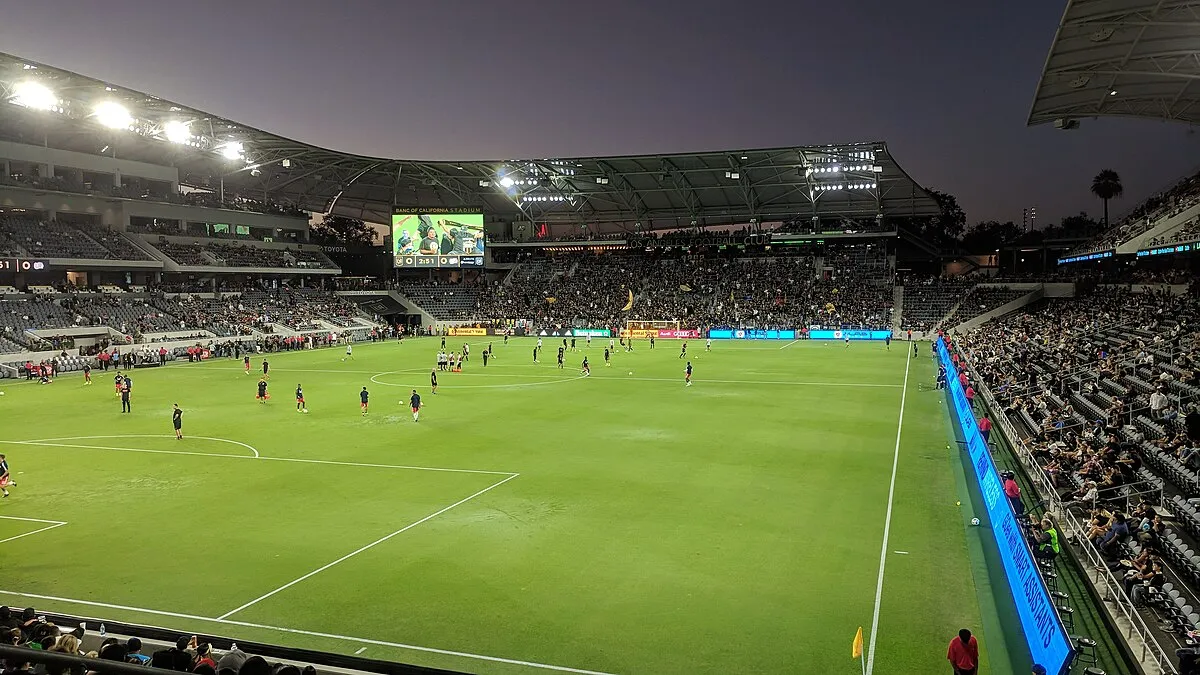
The five additions to the 2028 programme all slot into existing or temporary venues, and their backstories are better than most headline sports. Flag football makes its Olympic debut at BMO Stadium, the 22,000-seat home of LAFC and Angel City that opened in 2018. Lacrosse sixes shares the building; lacrosse was last a medal event in 1908 and then hung around as a demonstration sport in 1928, 1932 and 1948. Cricket returns for the first time since Paris 1900, in a purpose-built temporary stadium at the Pomona Fairplex. Squash finally gets in at Universal City after being rejected for 2012, 2016, 2020 and 2024, a four-Games losing streak that ends inside a Comcast building on a studio lot.
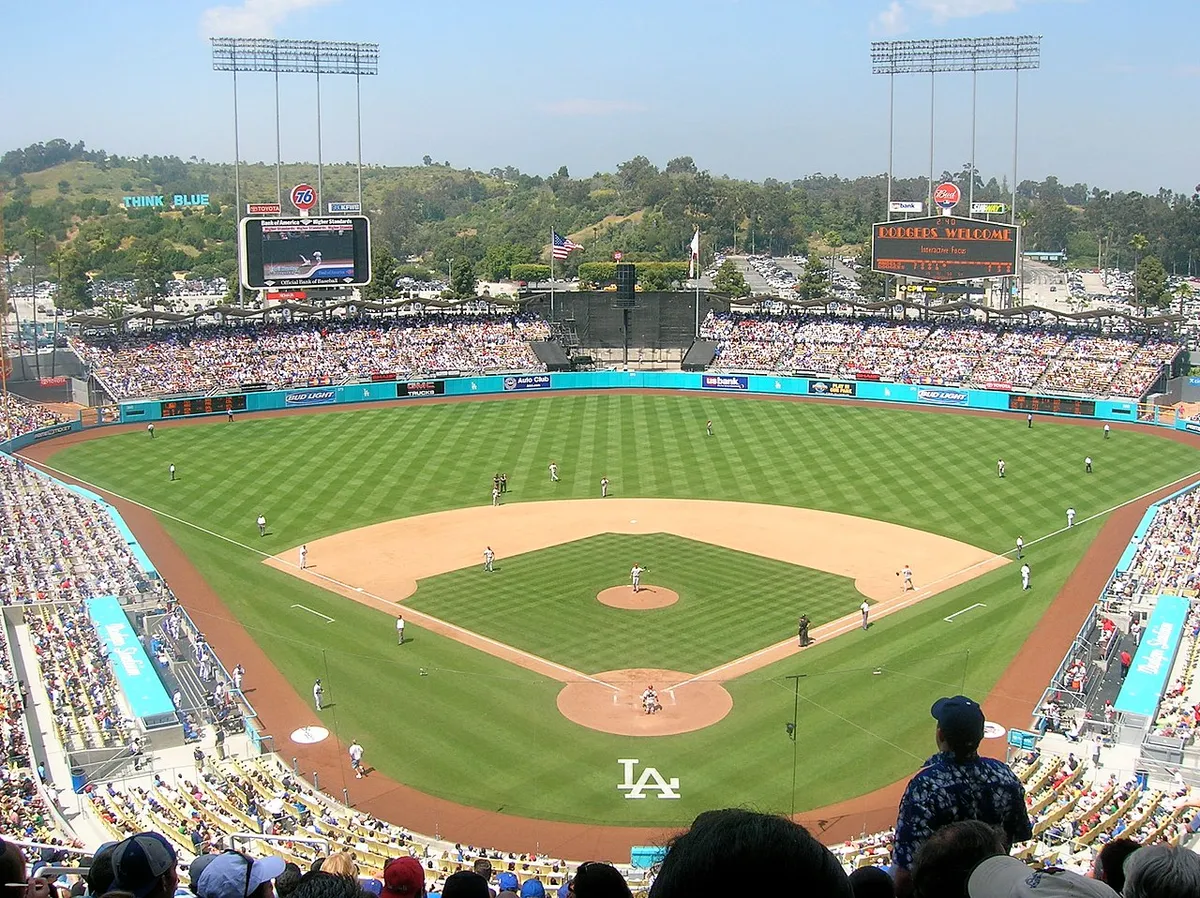
Then there’s baseball. Dodger Stadium staged Olympic baseball in 1984, but only as a demonstration event, so 2028 is the first time an Olympic baseball medal is actually decided there. Forty-four years between the audition and the part.
The catch, and the bet
Now the honest part for anyone planning a trip. The straight-line distances from the Coliseum: SoFi 5 miles, Dodger Stadium 5, Carson 10.5, the Rose Bowl 12, Long Beach 20, Pomona 30, Trestles 59. Driving is longer, and in Los Angeles in July it can be much longer. Morning gymnastics downtown followed by evening swimming in Inglewood is an easy double. Track cycling in Carson followed by cricket in Pomona is 40-plus miles across the basin, and you should treat it as a full-day commitment or not attempt it.
The names will fight you too. The IOC restricts sponsor branding at some venues, but it is not a blanket rule, so the map mutates unevenly at Games time. SoFi becomes 2028 Stadium (LA28’s ceremony releases also call it “the Stadium in Inglewood”). BMO Stadium becomes Exposition Park Stadium, Dignity Health Sports Park becomes Carson Stadium, Crypto.com Arena becomes DTLA Arena, and the six out-of-town football grounds turn into plain New York, Columbus, Nashville, St. Louis, San José and San Diego Stadium. Meanwhile the Rose Bowl, Intuit Dome, Honda Center, Peacock Theater, Dodger Stadium, Santa Anita Park and Riviera Country Club keep their names, sponsors included. You may buy a ticket under one name and follow road signs to another. Save both.
What you get in exchange for the sprawl is the bet itself. Every Olympics since 1948 has left buildings behind, and a good number of them are the sort nobody wanted five years later. The 2030 World Cup stadiums will face the same question, as will whoever hosts the next World Cup after that. Los Angeles is wagering that the better legacy is no ruins at all: a Games staged in stadiums that were full before the Olympics arrived and will be full after it leaves. In 1948 that approach meant a dug-up greyhound track dissolving into cinder mud at Wembley. In 2028 it means a swimming final inside a $5.5 billion roof and a softball gold in the sport’s own capital. Same principle, 80 years of upgrades. If it works, the answer to where the 2028 Olympics are held is the best one a host city can give: everywhere the city already was.
Sources
- LA28 official venue plan and individual venue pages: la28.org. The venue roster by zone, the 36-sport and 40-plus venue counts, the no-new-permanent-venues statement, and the Games-time names, including 2028 Stadium for SoFi and Exposition Park Stadium for BMO.
- LA28 football tournament match dates: the official schedule grid. Every match count and date in the football section.
- LA28 ceremony announcement, via SoFi Stadium: sofistadium.com. The dual-venue opening ceremony, the dates, and the athletics-first, swimming-second scheduling change.
- LAist on the closing ceremony: laist.com. The unanimous City Council vote that moved the closing ceremony to the Coliseum alone.
- ESPN on the ceremony venues: espn.com. Independent confirmation of the ceremony venues and the Paralympic dates of August 15 and 27.
- New Atlas on the no-build approach: newatlas.com. Temporary facilities for sports such as cricket, and the transport questions the plan raises.
- Historic UK on the 1948 Austerity Games: historic-uk.com. Athlete accommodation, the bring-your-own-towel instruction, the dug-up greyhound track, and confirmation that no new stadia were built.
- USA Softball on Devon Park: usasoftball.com. Confirms the venue as home of the Women’s College World Series and the May 2024 renaming.
- USA Lacrosse on the 2028 return: usalacrosse.com. The 1908 medal event and the later demonstration appearances.
- RIVERSPORT OKC: riversportokc.org. The whitewater course, and the Oklahoma River as an impounded stretch of the North Canadian.
- New York City FC on Etihad Park: newyorkcityfc.com. Construction timeline and the July 2027 opening.
Hero photo: Los Angeles Memorial Coliseum by Quintin Soloviev, CC BY 4.0, via Wikimedia Commons.
Capacities are taken from our own verified stadium pages, which follow each operator’s current official figure. Venue and sport assignments come from LA28’s published plan and were cross-checked against each host club’s own announcement. LA28 has revised its venue list more than once and two assignments remain open, so treat any single allocation as provisional until closer to the Games.