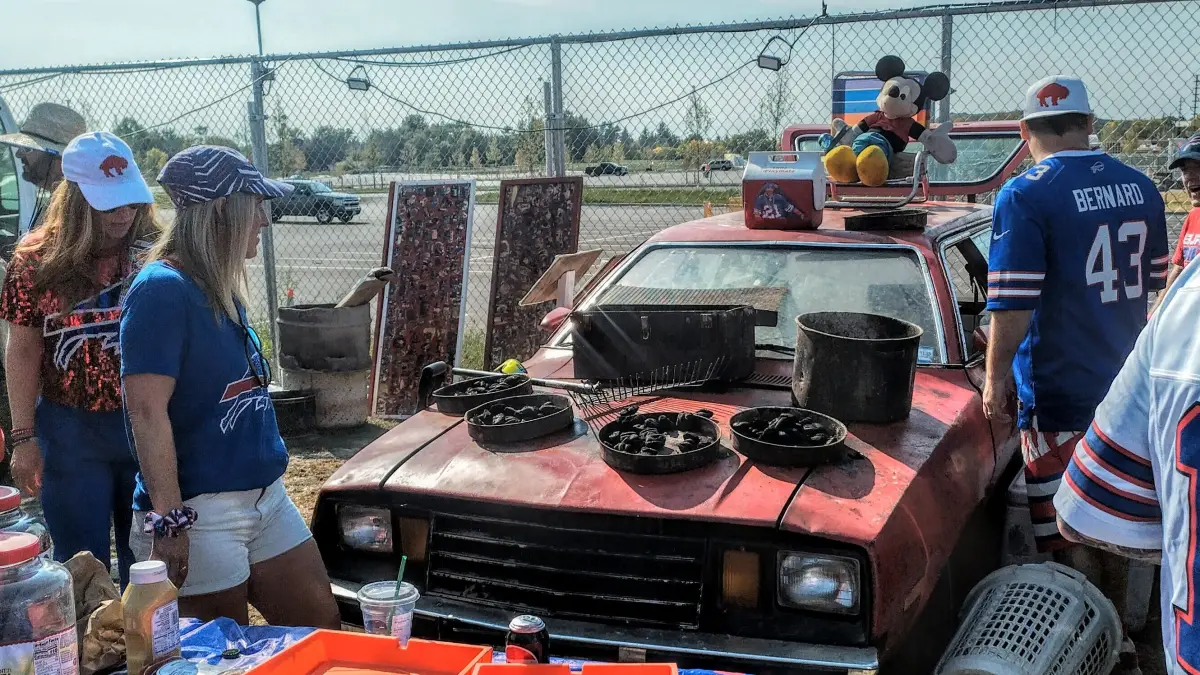
For decades, a Buffalo Bills gameday started in a gravel lot with a guy grilling on the hood of a rusted-out Ford Pinto. That is not a figure of speech. Pinto Ron has been cooking on his car in the Orchard Park lots for decades, and the scene around him, folding tables sagging under food, strangers pressing a beer into your hand, the occasional fan getting driven through a flaming table, became the loudest argument for why Bills Mafia runs the best tailgate in the NFL.
Then the Bills built a new stadium, and on July 26, 2026, they published a tighter rulebook for the parking lots. The headlines wrote themselves: no tents, no fun, the death of the Bills tailgate. Bills Mafia revolted online.
Here’s the thing. A lot of that reaction was based on a misread. Pull up the Buffalo Bills’ actual parking policy for the new Highmark Stadium and the rules are stricter than the old lots, sure, but more permissive than the outrage suggested. Tents, the thing everyone was mad about, are allowed. So here’s what the 2026 tailgating rules actually say, straight from the official policy, and where the reporting went sideways.
July 26, 2026. The date the Buffalo Bills announced the new tailgating rules for their team-controlled lots at the new Highmark Stadium.
The new Highmark Stadium tailgating rules at a glance
The Buffalo Bills’ 2026 tailgating rules for the new Highmark Stadium govern the team’s official parking lots, and the whole thing comes down to one idea: keep your tailgate inside your own parking space, keep it safe, and be done by kickoff. The official policy splits into a permitted list and a prohibited list, and the details are more specific than the headlines let on. Here’s the short version before the fine print.
Permitted in the official lots:
- Tents, as long as they don’t block the emergency vehicle lane or spill into the next parking space
- Natural gas and propane grills
- Charcoal and open-pit fires, if raised at least 6 inches off the ground
- Bringing and preparing food for your own friends and family
- A personal-sized speaker, like a small Bluetooth one
Prohibited:
- Stakes, tent poles, or anything driven into the lot surface
- Grill fires that sit on the ground, plus wood stoves and oil fryers
- Selling food or drink, and private catering companies
- Air horns, megaphones, and portable PA systems
- Glass bottles, and tailgating past kickoff
Read those two lists side by side and the “tent ban” story falls apart. Tents made the permitted column. What actually got banned was staking them into the ground.
The tent rule the headlines got wrong
Tents are permitted at the new Highmark Stadium. That is the single most misreported fact of this whole story. The Bills’ official policy lists “use of tents, so long as they do not encroach into the marked emergency vehicle lane or take space in adjacent parking spaces” under permitted items, in plain language. The tent itself is fine. What sits in the prohibited column is different: “stakes, through-surface inserts (e.g. tent poles), anything driven into the ground.”
So the real rule is a staking rule, not a tent ban. You can bring a canopy. You cannot drive anything into the new lot surface to hold it down. That is why the practical answer for Bills Mafia is a free-standing, weighted tent, the kind held by sandbags or weight plates instead of stakes, kept within your own space. Several outlets compressed all of that into “no tents,” which is how a crowd-control tweak became a culture-war headline.
6 inches. How far off the ground your charcoal or open-pit fire has to sit under the official rules. Grills on the pavement are out, and coals have to be extinguished before you head inside.
It is worth being blunt about why this matters. In a market where December home games happen in lake-effect snow, the difference between “tents banned” and “tents allowed if you weight them down” is the difference between a miserable rumor and a manageable rule. The reporting owed fans that distinction, and mostly did not deliver it.
What actually changed for 2026
The biggest real change at the new Highmark Stadium is that a tailgate now has to fit inside your own footprint. The old stadium, the 1973 building the Bills played in until 2025, had sprawling gravel-and-grass lots and a light enforcement touch. You claimed a patch, you spread out, you fed anyone who wandered by. The official 2026 policy requires that all tailgating “fit within designated parking space striping,” which is a polite way of saying the era of colonizing three spaces and the row behind you is over.
Here’s the side-by-side.
| Rule | Old Highmark lots (through 2025) | New Highmark Stadium (2026) |
|---|---|---|
| Tailgate footprint | Loosely defined, fans spread out | Must fit within your own parking-space striping |
| Tents | Common, staked down | Allowed, but no stakes or poles in the surface |
| Grills | Anything went | Raised 6 inches off the ground; no wood stoves or fryers |
| Noise-makers | Air horns everywhere | Air horns, megaphones, PA systems banned; small speaker OK |
| Food | Shared freely, informal vendors | Friends and family only; no selling; no catering companies |
| End time | Lingered well past kickoff | Ends at kickoff |
Read it top to bottom and a pattern shows up. None of these rules ban tailgating. They shrink it, tidy it, and time it. The grill still fires. The wings still get eaten. But the sprawl that made the old lots feel like a small, chaotic city is the thing on the chopping block.
There’s a plainer reason behind the tightening than fun-hating, too. The Bills spent more than $2 billion on a brand-new building, and a fresh, more compact site plan is a chance to reset lot rules that had drifted for decades: clear fire lanes, standardized spacing, fewer things to trip over and sue over. Buffalo’s old lots were unusually loose, so the reset reads as a bigger break than it would almost anywhere else.
$2.1 to $2.2 billion. The cost of the new Highmark Stadium, a Populous build that opened in 2026 with a canopy over about 64 percent of the seats. A stadium that expensive tends to arrive with a stricter, tidier lot manual.
The grill rules, which are actually the strictest part
The grilling rules are the most detailed section of the whole policy, and they are stricter than the tent stuff people got upset about. Natural gas and propane grills are permitted outright. Charcoal grills and open-pit fires are allowed too, but only if the fire is “raised at least 6 inches off the ground,” and the coals “must be completely extinguished prior to entering the stadium and are not permitted to be dumped within Highmark Stadium parking lots.” Grills that sit on the pavement are prohibited, as are wood stoves, oil fryers, and other cooking stations.
None of this is unreasonable, which is probably why it drew less noise than the tent confusion. Raising the fire off fresh asphalt, forcing coals to be carried out, and banning deep fryers in a packed lot is basic safety, the kind that quietly keeps a scorch mark from becoming a lawsuit. If you ran a turkey fryer next to your bumper at the old place, that is the habit these rules are built to end.
What you can still do on a Sunday
Plenty survives the new rulebook, and it is worth saying clearly, because the online reaction made the rules sound more total than they are. You can still grill. You can still cook for your crew, crack your own drinks, run the cooler, set up chairs, and do it for hours before the gates. The Bills kept the core of the thing. They drew a line around it and tightened the safety bolts.
The food rule is narrower than the headlines suggest, too. Guests “may bring and prepare food for consumption by their friends & family only,” which is the team’s own language. Your own tailgate for your own people is fine. What is out is the commercial layer: the official policy prohibits “sale of food or beverage and private catering companies.” If your Sunday has never involved selling plates or hiring a caterer in a stadium lot, the food rule does not touch you.
Music survives, within reason. A “personal-sized amplified sound system (e.g. small Bluetooth speaker)” is on the permitted list. What the Bills cut is the arms race: portable PA systems are banned, amplified sound cannot run at excessive volume, and music with profanity or slurs is prohibited, along with the air horns and megaphones. The lot can still have a soundtrack. It just cannot be heard three rows over.
Team lots versus private lots
Here is a distinction that changes the whole calculus, and the reporting has mostly buried it. The rules above are the official policy for the team’s parking lots. Orchard Park also has a long history of privately owned lots, the ones run by neighbors and small businesses on the land around the stadium, and those set their own policies. The team’s rulebook does not govern them.
What that means on the ground: if the striping limit or the staking ban is a dealbreaker for how your group tailgates, the private lots become the pressure valve. They always were a parallel scene, a little wilder, a little more improvised. The new team rules give fans a sharper reason to seek them out. We are not going to invent specific policies for lots we cannot verify, and neither should you trust a rumor about one. Call ahead, or ask the regulars. But understand that “Highmark tailgate rules” and “every lot in Orchard Park” are not the same thing.
How Bills tailgating stacks up against the NFL’s best lots
Buffalo does not tailgate in a vacuum, and the new rules land differently once you compare them to how the rest of the league runs its parking lots. A few NFL scenes are genuinely in the Bills’ weight class for lot culture, and each handles the balance between chaos and control its own way.
| Stadium | Team | What the lot is known for |
|---|---|---|
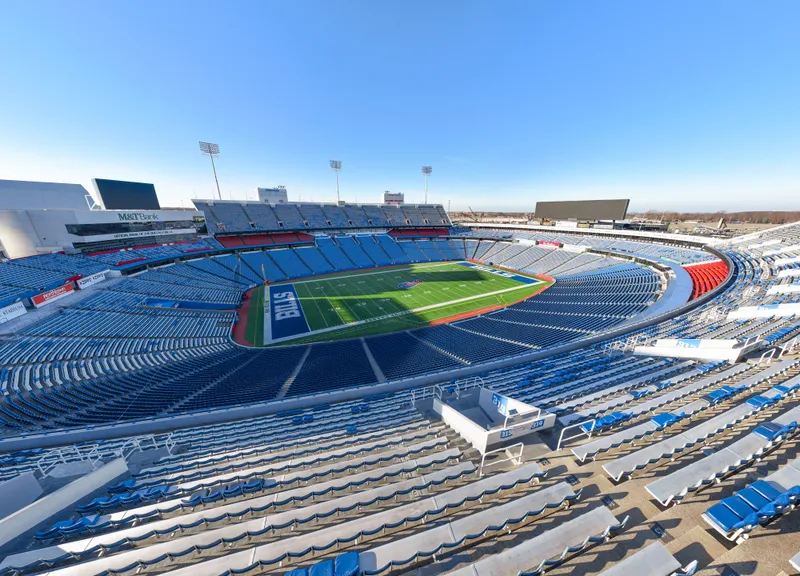
| Highmark Stadium | Buffalo Bills | Table-slamming, Pinto Ron, cold-weather devotion |
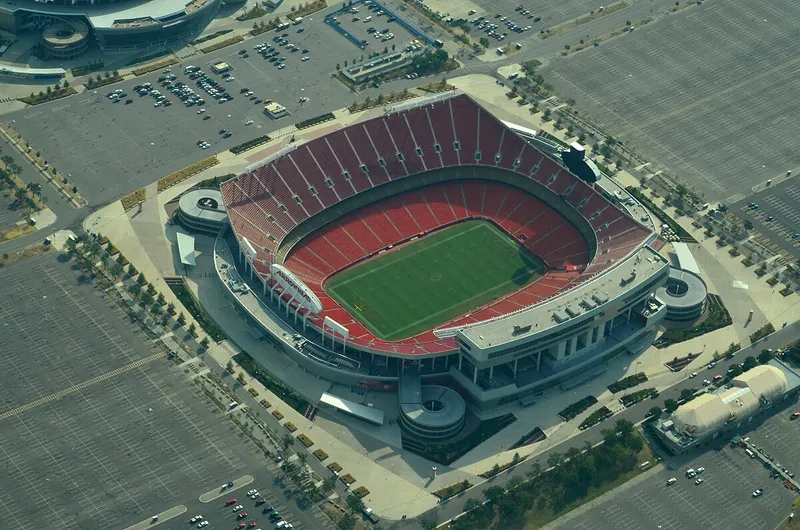
| Arrowhead Stadium | Kansas City Chiefs | Barbecue heritage and one of the NFL’s loudest crowds |
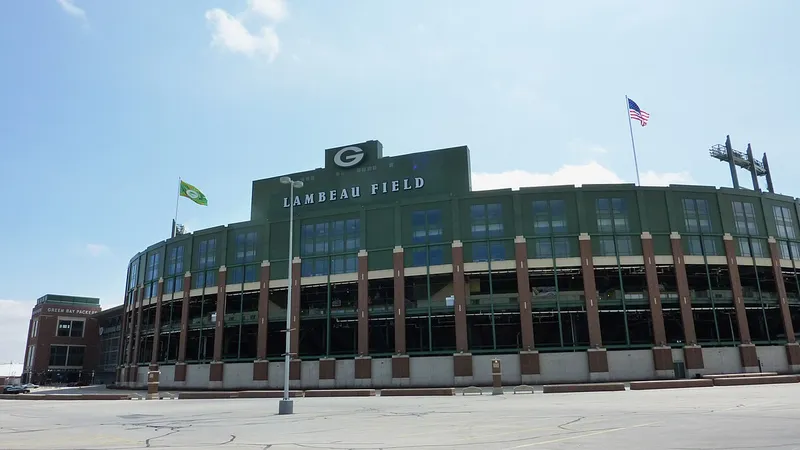
| Lambeau Field | Green Bay Packers | Frozen-lot bratwurst and community-owned pride |
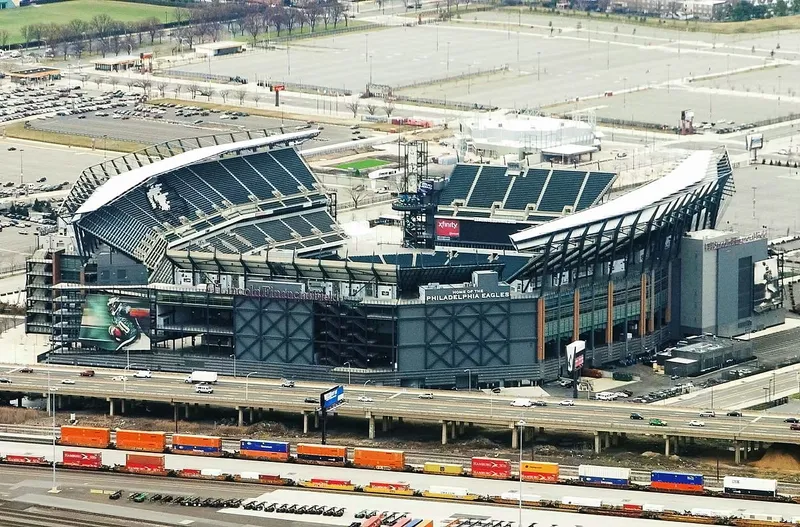
| Lincoln Financial Field | Philadelphia Eagles | Loud, combustible, unmistakably Philly |
Arrowhead treats tailgating almost as regional cuisine, which fits a building that also ranks among the loudest stadiums in the world. Lambeau leans on the fact that the fans essentially own the team, so the lot feels like a neighborhood block party in single-digit weather. The Eagles at Lincoln Financial run a lot with a reputation for volume and edge. Buffalo’s version was always the most improvised of the bunch, which is why a rulebook full of striping limits and curfews feels like a bigger cultural shift here than the same rules would in a more orderly city.
The comparison also flatters Buffalo in a way the outrage misses. Most of these lots already run on rules the Bills are only now writing down. Assigned spaces, no-sell food policies, and end-of-tailgate cutoffs are common across much of the league. Buffalo is not being singled out by the NFL so much as catching up to it. And unlike the NFL stadiums hosting World Cup 2026 matches, Highmark opened too late and sits outside the tournament footprint, so this is a purely NFL story, playing out while the league also debates why so many of its stadiums have roofs and how NFL and FIFA capacities differ.
What it means for gameday 2026
For most fans, the practical answer is smaller than the outrage. Show up, park, keep your setup in your own striped space, weight your tent instead of staking it, grill safe, and be inside by kickoff. The lots open four hours before the game and close two hours after, so there is still a real window. What is genuinely gone is the sprawl, the staked compounds stitched into long communal rows, the informal food economy, the tailgate that bled into the second quarter. For a fanbase that treats the lot as the point, not the warm-up, that is not nothing.
60,108 seats. The capacity of the new Highmark Stadium, and the size of the crowd whose decades-old gameday habits the new lot rules have to reshape starting in September 2026.
The real test comes in September, when the new Highmark Stadium hosts its first regular-season game and the rules meet a full house of people who have opinions. Enforcement is where policies like this live or die. Rules are easy to write and hard to police across a packed lot, and the gap between the rulebook and what actually happens on the ground is the thing to watch. If Buffalo has proven anything over decades of tailgating in the snow, it is that this crowd finds a way to be itself. The Pinto will be back. And so, weighted down against the wind, will the tents.
Sources
- Buffalo Bills: Highmark Stadium parking policy. The official, authoritative source. All permitted and prohibited items quoted here (tents, the staking ban, the 6-inch grill rule, food, noise, kickoff cutoff, lot hours) come directly from this page.
- Bills announce new tailgate rules for parking lots at Highmark Stadium (Yahoo Sports). Reporting on the July 26, 2026 announcement and the fan reaction.
- What you can and cannot bring to your tailgate at the new Highmark Stadium (WYRK). Corroborates the staking restriction, the 6-inch grill rule, and the speaker allowance.
- Buffalo Bills tailgating rules for the new stadium (CNY News). Corroborates the grill, staking, and caterer rules.
Several outlets summarized the tent restriction as an outright ban; the official Bills policy actually permits tents and bans only staking them into the lot surface, so this guide follows the official wording. Early write-ups also circulated specific parking and tailgate dimensions that the official policy does not state, so those figures are omitted. Figures for the new Highmark Stadium (capacity 60,108, Populous, opened 2026, cost about $2.1 to $2.2 billion) are consistent with our Highmark Stadium guide and its Wikipedia entry; earlier construction estimates ran lower, around $1.7 billion.