The most expensive sports venue ever built cost about $5.5 billion. The hot dog people won’t stop talking about costs $2, and it’s cost $2 since 2017, through a Super Bowl and a World Cup. The first is in Los Angeles. The second is in Atlanta, and it’s the one that comes up.
The loudest crowd roar ever measured at a stadium came out of a concrete bowl finished in 1972. The roof it was supposed to have was cut from the drawings to save money.
You’ve read the other lists. They put the newest building first, then the one with the biggest screen, then the one that cost the most, and somewhere around the fourth entry you start to suspect they’re ranking architecture. They are. Nobody travels for architecture.
This list ranks what happens to you while you’re inside: what it sounds like, what the food costs, whether you’re dry, whether you got in at all. It reaches a different answer from the lists that rank the building, and the answer turns out to be cheap. Here are the ten, and then the case for each.
| # | Stadium | Team | Opened | Capacity | Why it’s here |
|---|---|---|---|---|---|
| 1 | Arrowhead Stadium | Kansas City Chiefs | 1972 | 73,426 | The loudest measured crowd in sport |
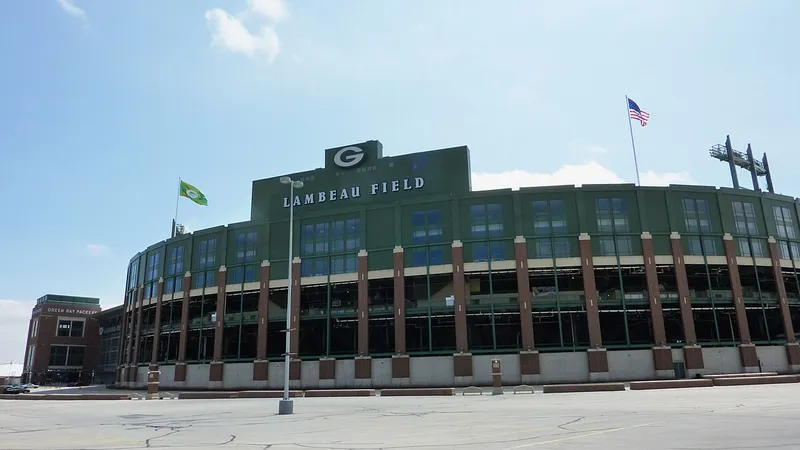
| 2 | Lambeau Field | Green Bay Packers | 1957 | 81,441 | Fan-owned, and a 155,000-name waiting list |
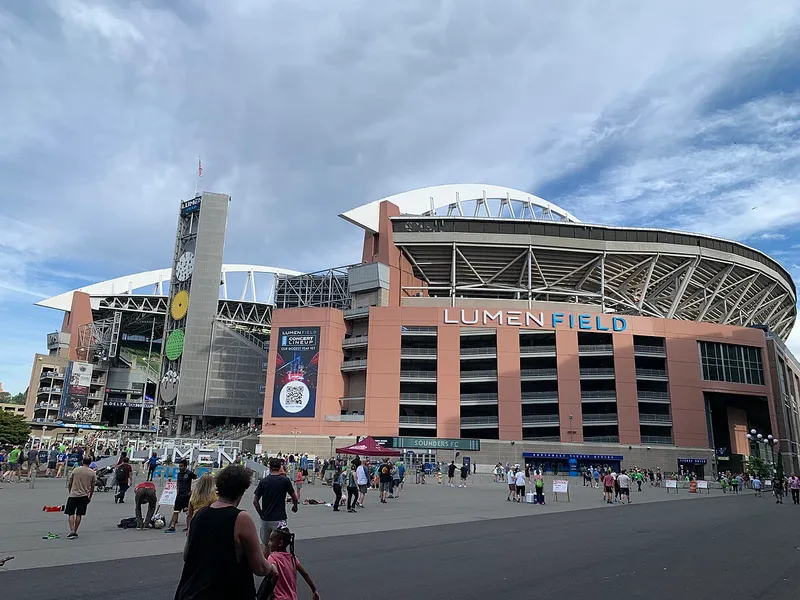
| 3 | Lumen Field | Seattle Seahawks | 2002 | 68,740 | Noise engineered on purpose, and it worked |
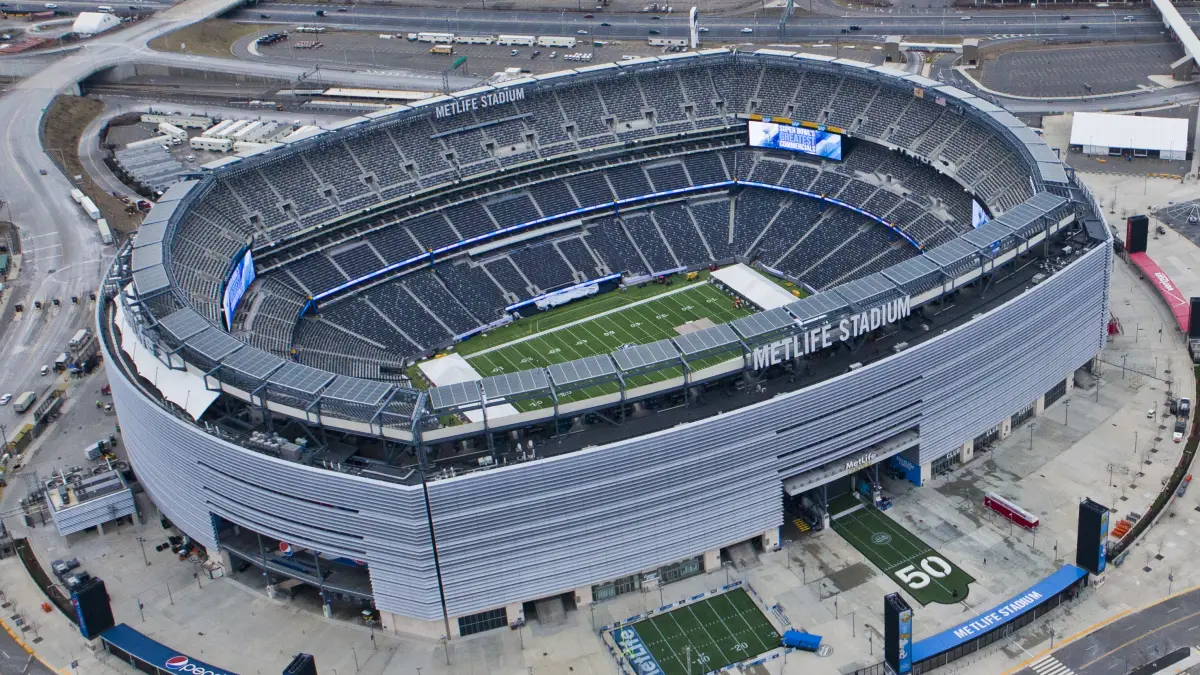
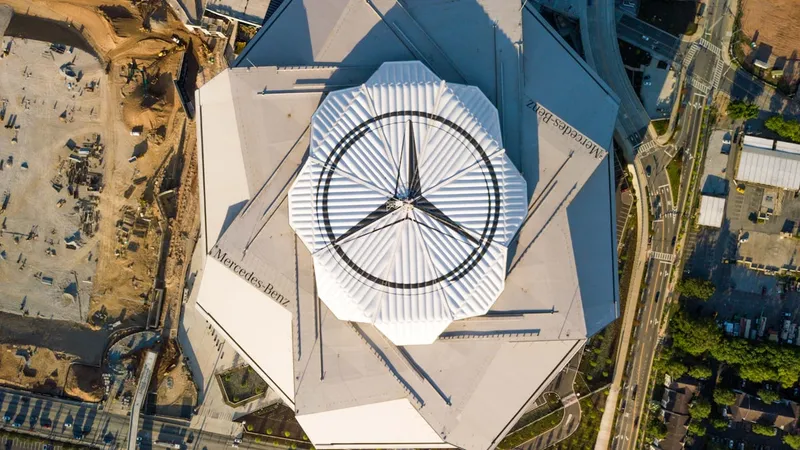
| 4 | Mercedes-Benz Stadium | Atlanta Falcons | 2017 | 71,000 | A $2 hot dog, nine seasons running |
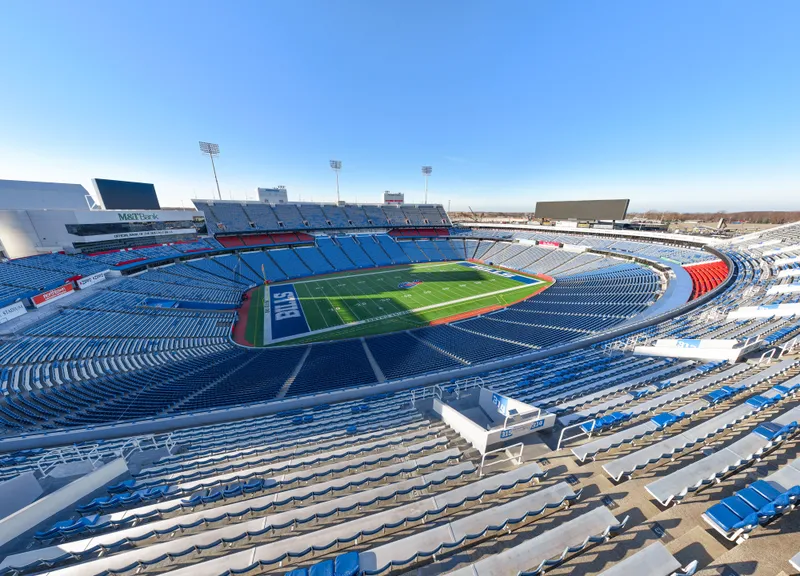
| 5 | Highmark Stadium | Buffalo Bills | 2026 | 60,108 | Built to let the snow in |
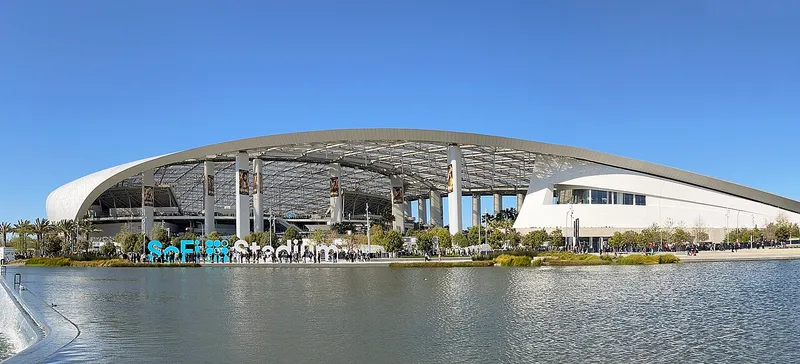
| 6 | SoFi Stadium | Rams and Chargers | 2020 | 70,240 | The most expensive venue ever built |
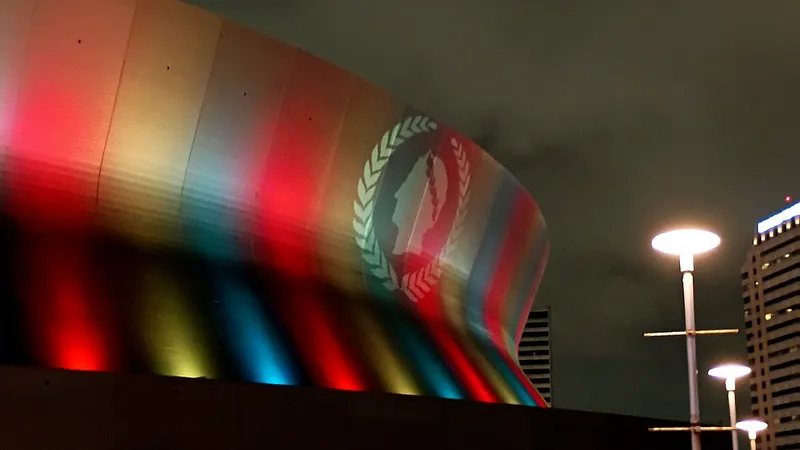
| 7 | Caesars Superdome | New Orleans Saints | 1975 | 73,208 | Eight Super Bowls, more than any stadium |
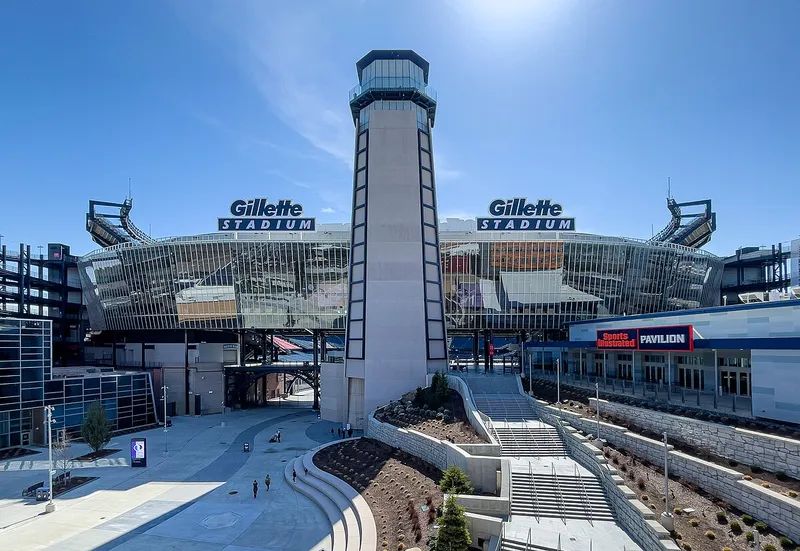
| 8 | Gillette Stadium | New England Patriots | 2002 | 64,628 | A working lighthouse you can ride up for $5 |
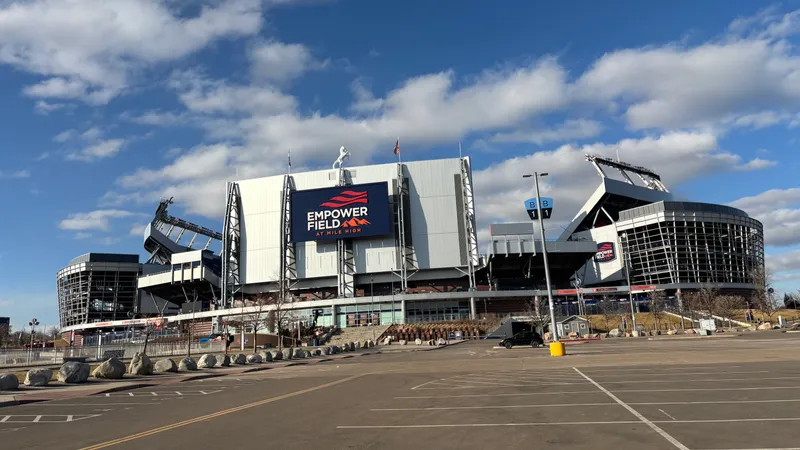
| 9 | Empower Field at Mile High | Denver Broncos | 2001 | 76,125 | Exactly 5,280 feet |
| 10 | Soldier Field | Chicago Bears | 1924 | 61,500 | The oldest, and the most argued over |
Look at the opening years. Second place has been standing since 1957. Fifth opened this year. The oldest building in the league is tenth. The most expensive one ever built is sixth. Opening year predicts almost nothing. Cost predicts less. If you want the league ranked by capacity instead, that is a different list answering a different question.
How this ranking works
Three things count here, and a construction invoice is not one of them.
What it sounds like. Where somebody has measured it, the measurement counts. Where nobody has, you go and listen.
What the building does for the crowd rather than to it. What a beer costs. Whether you’re wet. How long it takes to get out afterward.
Whether it could be built again. Several of the best things on this list are accidents, or acts of civic ownership that no modern budget committee would sign off on. That’s the point.
Three things don’t count. Screen size, because you came to watch the field. Cost, because you didn’t pay it. Age, because it tells you nothing in either direction.
Take those three out and the list doesn’t shuffle a little. It reorders completely.
Arrowhead Stadium and the loudest crowd ever measured
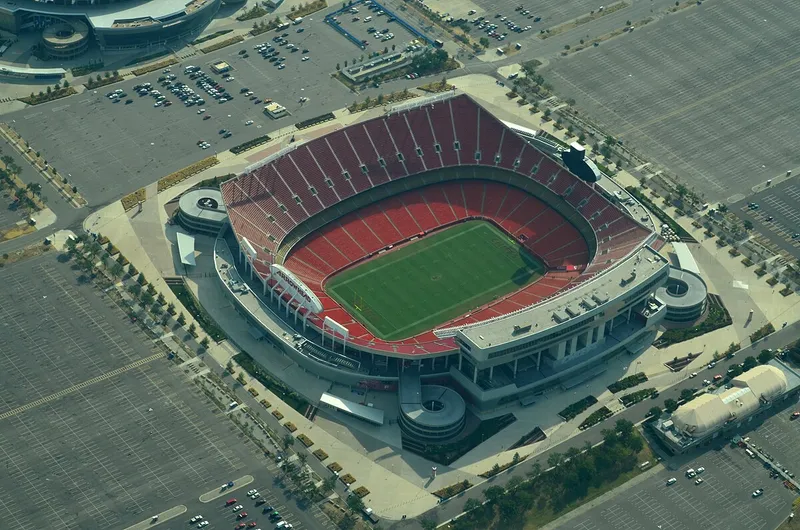
Arrowhead Stadium is 54 years old, it is the loudest place in American sport, and the reason has nothing to do with anything that plugs in. Stand in the lower bowl on a Sunday and the noise doesn’t come at you from one direction. It drops off the overhang above you, comes back off the deck opposite, and rises out of the seats below, until you stop hearing a crowd and start feeling it on your chest.
On September 29, 2014, on Monday Night Football against New England, the crowd at Arrowhead Stadium was measured at 142.2 decibels. Guinness logged it as the loudest crowd roar ever recorded at a sports stadium, and it still stands ahead of every other measured crowd in world sport.
The geometry does it. The bowl is steep and deep. The upper decks are cantilevered out over the lower ones and there are no open corners, so the noise that would drift out of a newer building hits the overhang and comes straight back down onto the field. 73,426 people, every one of them pointed at the same patch of grass.
The original 1967 plan had a roof. A rolling one, shared with the ballpark next door. It was cut to save money. Arrowhead opened in 1972 without it, has been open-air ever since, and that cut is part of why it sounds the way it does.
142.2 decibels The loudest crowd roar ever measured at a sports stadium, set at Arrowhead on September 29, 2014.
Lambeau Field, where the waiting list runs to 155,000 names
A town of about 107,000 people owns its football team, and the queue for a season ticket is longer than the town. Those aren’t two facts. They’re one.
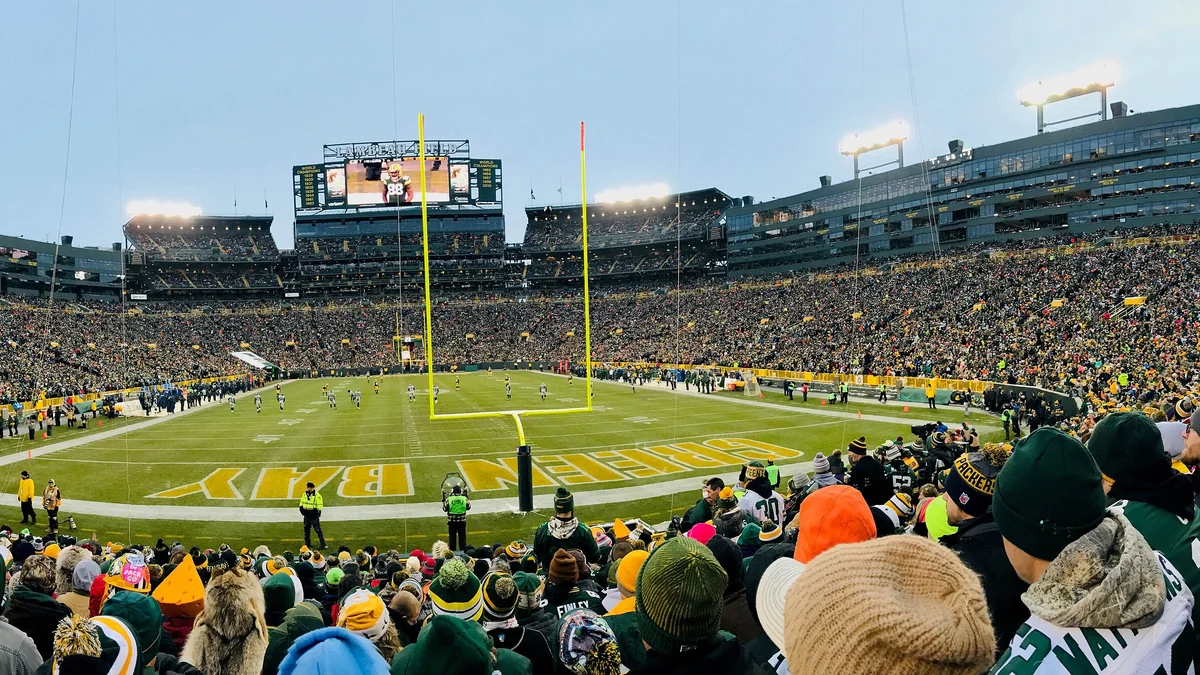
Lambeau Field opened in 1957, holds 81,441, and has sold out on a season-ticket basis since 1960. By early 2026 the waiting list had passed 155,000 names, which is more names than there are residents of Green Bay. The renewal rate runs above 99 percent. Between 70 and 100 names a year reach the front.
In 2022, two of the names that came up had been on the list for 47 and 49 years. The second had been added at the age of two. Somebody filled out a form for a toddler. The ticket arrived when the toddler was fifty-one.
The reason anyone would do that is the ownership. The Packers are the only community-owned, non-profit franchise in major league American sport. The club’s own shareholder records list approximately 5,204,625 shares held by 538,967 stockholders, and the articles of incorporation stop anyone owning more than 200,000 of them. That ceiling is under four percent of the company. There is no controlling stake to buy, so there is nobody who could sell the team and nowhere for it to go. Every other franchise in the league could, in principle, be somewhere else by the time your number comes up. This one can’t.
So the waiting list isn’t a measure of demand. It’s a measure of trust: 155,000 people certain that the thing they’re waiting for will still be in the same place when it’s finally their turn.
155,000 names On the Lambeau Field season-ticket waiting list by early 2026, with about 70 to 100 reaching the front each year.
Lumen Field proves noise can be designed
If Arrowhead proves the noise can happen, Seattle proves it can be ordered.
Lumen Field opened in 2002, holds 68,740, and has a partial canopy, designed by Ellerbe Becket, that covers about 70 percent of them and leaves the field open. The canopy wasn’t drawn for the weather. It was drawn to trap crowd noise and push it back down onto the turf. Somebody sat at a desk and designed a loud building on purpose.
It worked, and then it worked again. In September 2013 Seattle fans set the world record at 136.6 decibels. That December they broke their own mark at 137.6. Kansas City took the record off them the following year, but Seattle had already done the thing nobody else had: hit a number they’d aimed at.
Before any of that, on January 8, 2011, Marshawn Lynch ran 67 yards for a touchdown and the crowd’s reaction registered on Pacific Northwest Seismic Network equipment. Instruments that exist to pick up the ground moving picked up a football crowd.
Arrowhead got there by accident. Seattle got there on purpose, with a drawing, in 2002. Which means the thing can be built. Most new stadiums simply don’t try.
The $2 hot dog that outlasted a Super Bowl and a World Cup
The decision people actually remember from Atlanta cost almost nothing, and it was made in a building that also carries what its manufacturer calls the largest LED video display in sports.
When Mercedes-Benz Stadium opened in 2017, a hot dog cost $2. In June 2026, nine seasons later, a hot dog cost $2. Popcorn is $2. Fries, pizza, a pretzel, nachos: $3 each. A cheeseburger is $5. A chicken tender basket is $6. A draft beer is $5. The single most expensive thing you can buy to eat or drink in the building is a large premium draft, and it’s $11.
Those prices didn’t move for the Super Bowl. They didn’t move for the World Cup either. Arthur Blank: “It’s the same for the World Cup as it is for the Super Bowl.” And: “There’s never been price gouging here.”
Falcons president Rich McKay has said raising prices for the marquee event was never considered, and then said the thing that explains why cheap food alone isn’t the policy: “It does you no good to charge $2 for a hot dog if it takes an hour to get it.”
That second quote is the actual policy. It’s getting you back to your seat before the drive is over, and the price is just the half of it that fits on a sign.
The same building carries a 360-degree video board 58 feet tall and about 62,350 square feet, and Daktronics, which built it, called it the largest LED video display in sports. It’s genuinely impressive, and nobody who’s been to Atlanta describes the trip by telling you about the screen. They tell you about the hot dog. Then they tell you what the beer cost. Then, if you let them, the fries.
Nine seasons of refusing to move one price has done more for how Atlanta gets described than anything else in the building.
$2 What a hot dog has cost at Mercedes-Benz Stadium since it opened in 2017, through a Super Bowl and a World Cup.
Highmark Stadium let the snow in on purpose
Highmark Stadium had every reason to be a dome. Orchard Park averages over 90 inches of snow a season, and in December 2017 a single game day brought 16.7 inches. Buffalo built a canopy that covers about 64 percent of the seats, left the field completely open to the sky, and ran a snow-melt system under the concourses so you can get a beer without going over on the ice. You stay dry. The game does not.
That is a harder call than it reads. Of the five NFL stadiums that have opened since 2016, four are domed, fixed-roof or retractable. Highmark is the exception, and it’s the one in the snow belt.
So the snow comes in sideways across an open field, the game slows down to meet it, and 60,108 people who drove through that weather get the exact thing they drove through it for. Comfort was on the table. Buffalo weighed it against the reason anybody makes that drive in December, and picked the reason. The tailgate that survives it has rules of its own.
What $5.5 billion actually buys
SoFi Stadium is the most remarkable building on this list and it finishes sixth, and both of those are true for the same reason.
It opened in 2020, holds 70,240, and cost about $5.5 billion, which makes it the most expensive sports venue ever built. The canopy is 302 translucent ETFE panels, 46 of which open. The bowl sits about 100 feet below street level, so you arrive at ground and look down into the thing, and the effect on a first visit is close to vertigo.
The dig is the most interesting part of the building, and it wasn’t chosen. FAA radar restrictions from LAX meant the architects couldn’t build up, so they built down. The single most striking decision in a $5.5 billion stadium was made for it by an aviation rule.
The place is extraordinary, and on February 14, 2027, when it hosts Super Bowl LXI, it’ll look extraordinary on television. If someone offers you a ticket, go.
But sit in it for three hours and ask what the money changed about the game in front of you. The honest answer is less than a canopy angle changed Seattle, and less than a hot dog price changed Atlanta. The experience doesn’t scale with the spend, and SoFi is where you can watch it stop scaling.
$5.5 billion The cost of SoFi Stadium, the most expensive sports venue ever built.
The Superdome, a lighthouse, and the one that lost its landmark status
The bottom of the list is where the third criterion does all the work. Three of the four could not be built again, and that is most of the reason to go.
The Caesars Superdome opened in 1975, holds 73,208, measures 680 feet across and covers 13 acres. It has hosted eight Super Bowls, more than any other stadium; Hard Rock Stadium is next with six. The city of New Orleans has hosted 11, tied with Miami, which is a different record. The building’s number is eight. Eight times the league has had every venue in the country to choose from and handed its biggest night to a dome from 1975. There’s no architecture award for that.
Gillette Stadium opened in 2002 and now holds 64,628, and Robert Kraft paid the $325 million construction cost himself. Above the north end zone there’s a working 218-foot lighthouse, and for $5 you can ride the elevator to the observation deck. Five dollars. The building’s attendance record isn’t a football game, either: Ed Sheeran drew 71,723 in July 2023, well above the football capacity. None of that was in anybody’s model of what a stadium is for, and all of it is why people go.
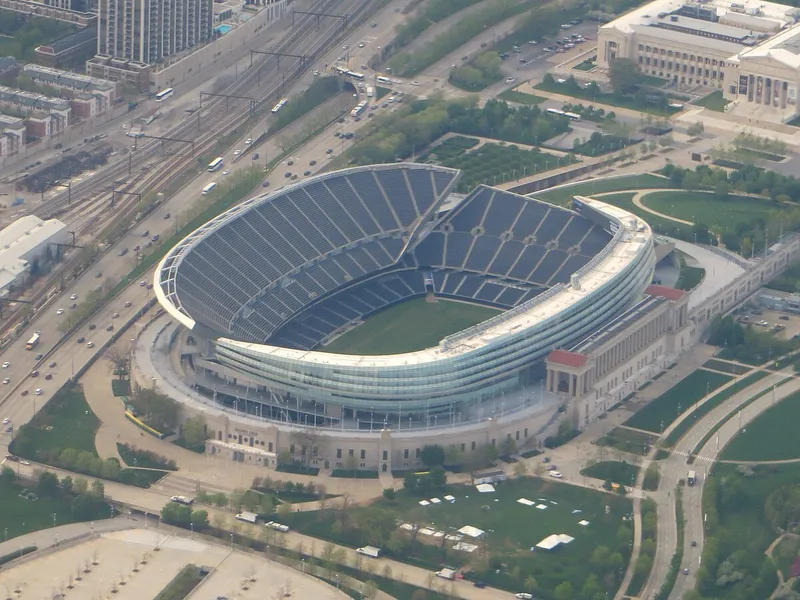
Soldier Field opened in 1924, which makes it the oldest in the league, and holds 61,500. The 2003 renovation made it the only sports venue ever to lose National Historic Landmark status. Chicago rebuilt the inside of a landmark so thoroughly that the people who hand out landmark status took it back. It’s on this list anyway, tenth rather than off it, because the arguing is part of going. Nobody’s angry about a stadium nobody cares about.
Empower Field at Mile High gets one line, the same one it’s had for twenty-five years: it sits at exactly 5,280 feet, and visiting teams have been complaining about the air the entire time.
A dome that keeps getting picked, a lighthouse for five dollars, a landmark that stopped being one, and a mile of altitude. Three of those were decisions. The fourth is geography, and it’s the only one the visiting quarterback can feel in his lungs.
What the ranking actually tells you
Run those three criteria and the order stops tracking anything you could read off a spec sheet. A bowl from 1957 takes second and a building that opened this year takes fifth, and they are there for the same reason, which is not their age.
What the best ones share is that somebody, at some point, made a decision about the crowd instead of about the building. Seattle angled a roof at them. Atlanta refused to reprice a hot dog for the Super Bowl. Buffalo left the field open to the snow. Green Bay sold the team to the town. Not one of those shows up in a cost-per-seat comparison, and every one of them is what you’d tell a friend about on the drive home.
And then there’s Arrowhead. The loudest place in American sport is loud partly because somebody in 1967 looked at a rolling roof on a set of drawings and cut it to save money. Nobody planned the sound. Nobody could have. You can’t buy it now, not with any budget, and the proof is sitting one place below Buffalo: the one stadium that tried to buy everything is sixth.
Sources
- Atlanta’s held prices: the 2026 concession list, Atlanta News First, Super Bowl LIII pricing and Rich McKay’s reasoning, theScore. Nine seasons of the same $2 hot dog, recorded by two publishers years apart.
- Super Bowl hosting records, New Orleans Saints. Gives the Superdome’s eight games and the city’s separate eleven as two different records.
- Most expensive sports stadium, Guinness World Records. Records SoFi as the most expensive sports stadium at US$5 billion against a 2018 internal projection of $4.963 billion, which is the lower end of the range this article gives as about $5.5 billion.
- Green Bay Packers shareholder records, packers.com. The share count, the stockholder count and the 200,000-share ceiling, taken from the club rather than from any secondary source.
- The halo display: Daktronics’ announcement, SportsVideo.org, the stadium’s own release. The board’s height and area, and the claim its builder made for it.
- SoFi Stadium to host Super Bowl LXI, SoFi Stadium. Confirms the February 14, 2027 date.
Hero photo: Lambeau Field in December 2016 by Mtyson84, CC0.
The ranking is ours and is an opinion, built on the three criteria set out above. Capacities, opening years, records and the venue detail throughout, from the waiting list and the renewal rate to the canopy percentages, the snowfall figures and the ETFE panel count, come from our own stadium pages, each verified against two independent sources before publication. Where sources disagree on a construction cost we have said so rather than picking one, and SoFi’s total is given as an approximation for that reason.