Atmosphere isn’t the same as capacity. A 64,000-seat stadium full of devoted Liga MX supporters can feel louder than a 90,000-seat venue full of casual tourists. Geography matters. Climate matters. Whether a country is playing at home matters most of all.
So instead of just listing the 16 World Cup 2026 host stadiums by size, we ranked them by the atmosphere we expect each to produce on its biggest match day. Estadio Azteca takes the top spot. MetLife Stadium, which hosts the Final, only lands third. Toronto’s BMO Field comes in last. The criteria are stated below, then all 16 in order. The ranking is opinionated and someone in the comments will hate it. That’s fine.
16 venues, 4 countries, 1 ranking: this is going to upset somebody from every host city in the tournament.
How we ranked them
Six factors weighted into the ranking, in roughly this order of importance:
- Home-team advantage. Venues hosting matches with strong domestic-team support (Mexico in Mexico City, Canada in Vancouver, the U.S. anywhere they play) get a meaningful boost. The home crowd at the opening matches will set the tone.
- Match importance. Hosts of knockout-round games or the final tend to have higher-stakes atmospheres than pure group-stage venues.
- Fan culture in the host city. Cities with strong existing soccer culture (Atlanta, Seattle, Vancouver, Mexico City, Monterrey) have a head start over cities where the World Cup is the first major soccer event in years.
- Stadium architecture. Bowl shapes, sightlines, acoustic design, and roof configuration all matter. Steep lower bowls and closed roofs amplify sound; open-air stadiums with shallow bowls disperse it.
- Climate at match time. June and July weather varies hugely across the host cities. Hot afternoons in Texas or Florida produce different atmospheres than cool summer nights in Vancouver.
- Pre-match scene. What happens outside the stadium counts. Fan zones, walkable bar districts, and transit access shape the energy fans bring through the gates.
The ranking that follows weighs these factors. The top venues check most or all six boxes. The bottom ones check fewer.
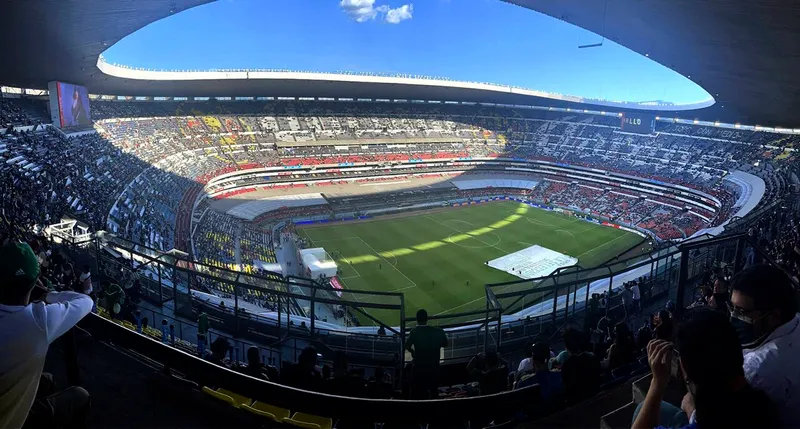
#1: Estadio Azteca: Mexico City
June 11. Mexico vs South Africa. Around 87,000 people at 7,200 feet of altitude. In the only stadium on earth that’s hosted three World Cup tournaments.
Nothing in the next five weeks will touch that atmosphere. The Mexican football culture is the loudest in CONCACAF. The thin air does measurable damage to visiting players’ lungs in the first 45 minutes. The bowl was purpose-built in 1966 for football, which means the acoustic geometry actually works.
The drawback is real: visiting teams struggle at altitude, which can produce one-sided matches that dampen the in-stadium energy in the middle of group stage. But the opener and any Mexico knockout matches will be the kind of atmosphere that’s actually unforgettable. Two-and-a-half generations of Mexican supporters have been preparing for this.
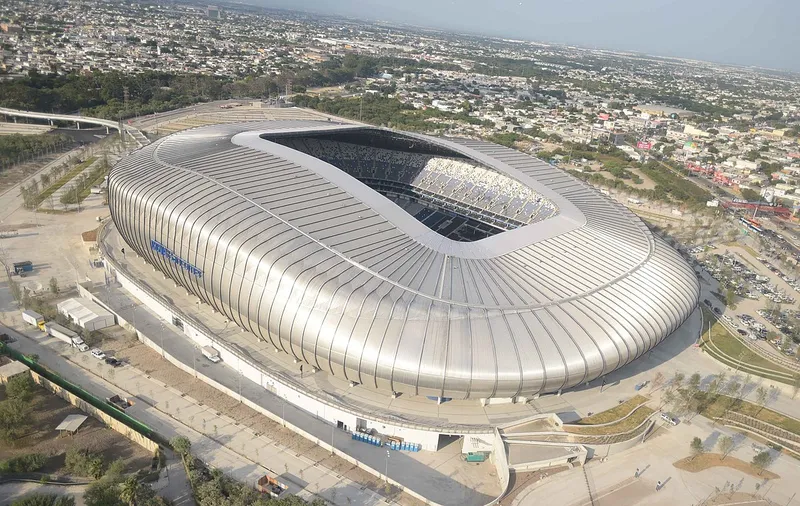
#2: Estadio BBVA: Monterrey
Monterrey is a serious football city. Not in the casual sense. In the sense that the Liga MX rivalry between Tigres and Rayados regularly produces stadium-shaking noise levels that are documented on a decibel meter.
Estadio BBVA holds 53,500 and gets four Group-stage matches, no knockouts. That hurts it slightly on the match-importance dimension, but the home-Mexico advantage carries it. The architecture pulls noise inward. The Cerro de la Silla mountain rises directly behind the bowl, which makes the venue one of the most visually striking on the schedule. Television will love it.
If you’re picking a Liga MX-flavored World Cup atmosphere outside of Mexico City, this is the place.
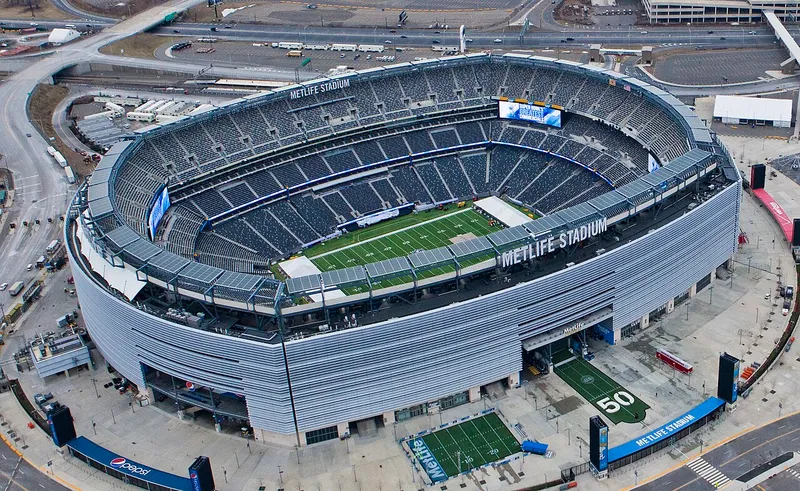
#3: MetLife Stadium: East Rutherford, NJ
The Final on July 19. The biggest single match in soccer, at one of the largest US hosts (78,576 for the final), in the largest US media market.
MetLife only lands at #3 instead of higher because the bowl architecture works against intimacy. It’s a wide multi-purpose NFL stadium with open-air sound dispersion. The atmosphere will be enormous in raw decibels. It just won’t feel as close as the matches at smaller venues with steeper bowls.
For sheer scale and occasion, though, nothing in the tournament beats MetLife on July 19. Whoever wins will lift the trophy in front of 78,576 people in a stadium five miles from the Hudson River. That’s a moment.
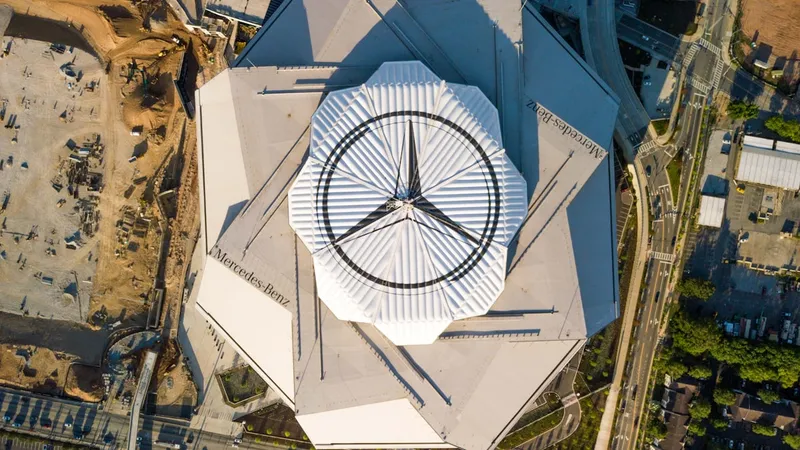
#4: Mercedes-Benz Stadium: Atlanta
Atlanta is the most surprising soccer city in the United States. Atlanta United set MLS single-game records in their first seasons (a 72,035-seat sellout in 2018, a 53,002 season average that’s still the highest in MLS history). The supporters’ section runs choreographed displays. The chants don’t stop.
Mercedes-Benz hosts eight matches including knockout-round fixtures. The architecture is purpose-designed for noise: a steep lower bowl, a partial pinwheel retractable roof that closes for thunderstorms, and acoustic properties that genuinely amplify crowd sound rather than disperse it.
The combination of an actually-existing soccer culture, modern architecture, and weather-proofed schedule makes this the most reliably atmospheric U.S. venue on the schedule.
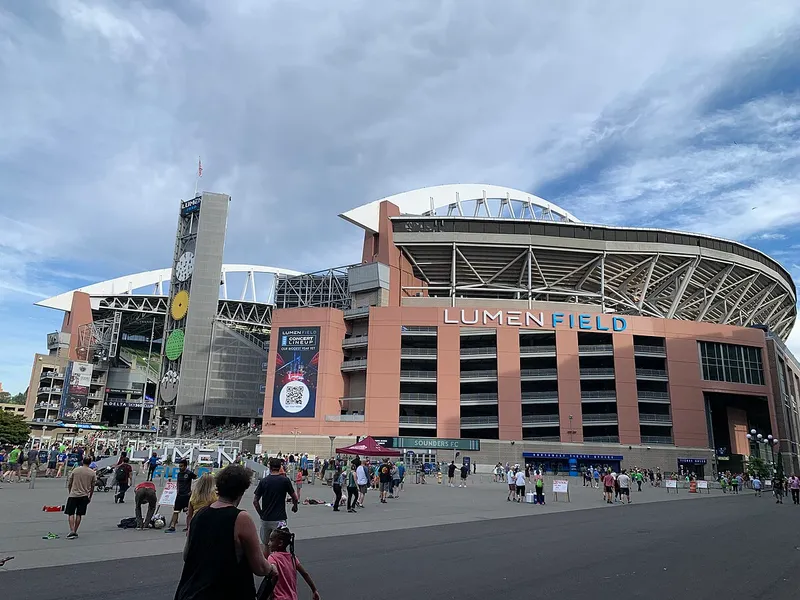
#5: Lumen Field: Seattle
The Seahawks’ supporters took the Guinness World Record for loudest crowd roar twice inside three months: 136.6 dB against the 49ers in September 2013, then 137.6 dB against the Saints that December, reclaiming it from Kansas City by a tenth of a decibel. Arrowhead took it back for good the following September. The architecture that produced Seattle’s numbers hasn’t changed.
Lumen Field’s roof and upper deck angle inward to trap and reflect crowd noise back down onto the field. The result is a stadium where visiting teams record measurably higher rates of false starts and delay-of-game penalties. The Sounders’ MLS matches inherit the same acoustics, and Seattle soccer culture is among the most developed in North America.
Six matches at Lumen Field. Cool Pacific Northwest summer evenings, typically in the 60s and 70s at kickoff. Sounders supporters will be there in force. This venue punches harder than its 69,000-seat capacity suggests.
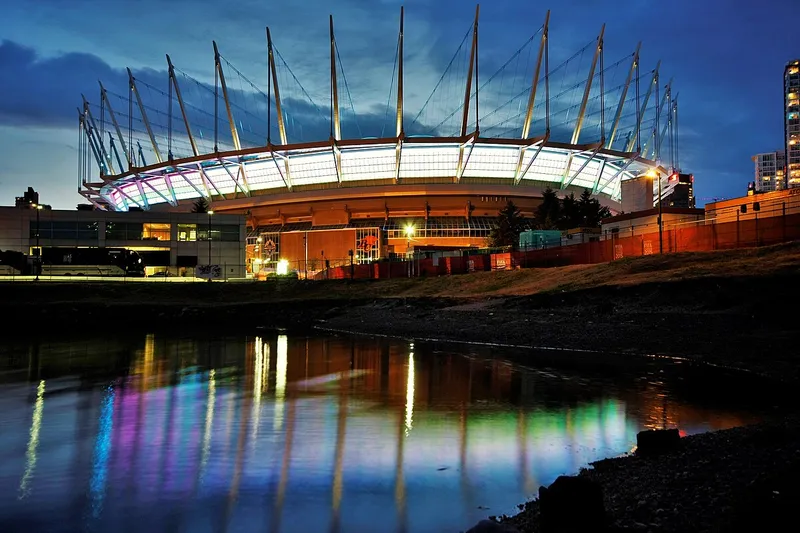
#6: BC Place: Vancouver
Two Canada matches. Seven total. The most of any Canadian venue.
The Canada vs Switzerland fixture on June 24 will be one of the loudest matches in any Canadian sports venue ever. Canadian national team supporters from the broader province, Vancouver Whitecaps fans, neutral fans who flew in for the host-country experience. The retractable roof will probably be closed against the chance of a Pacific Northwest summer thunderstorm, which acts as an acoustic amplifier.
The 54,000-seat configuration creates an intimate-feeling stadium for international matches. The False Creek setting (downtown skyline rising directly behind the bowl) is the most photogenic backdrop on the schedule. The 2015 Women’s World Cup Final happened here on July 5, 2015. The venue has been doing this exact thing for over a decade.
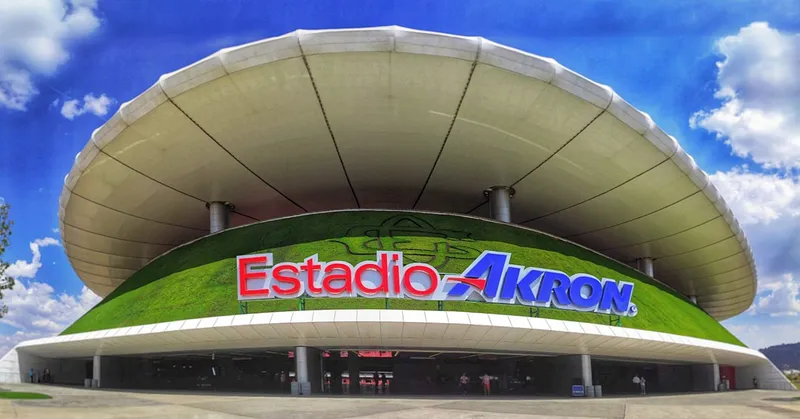
#7: Estadio Akron: Guadalajara
Chivas’s home stadium. Capacity 48,000. Four Group-stage matches, no knockouts.
Guadalajara is a football town in a way that doesn’t translate easily to English. The city’s relationship with Chivas is closer to a religious obligation than a sports preference. The crowd at Estadio Akron for a Mexican league match against Club América has been described to me by people who’ve been there as one of the more intense atmospheres in CONCACAF football, full stop.
The lack of knockout fixtures hurts it on the match-importance dimension. June heat in Guadalajara (regularly 80-90°F at kickoff) adds ambient energy. Home-Mexico advantage carries it into the top half.
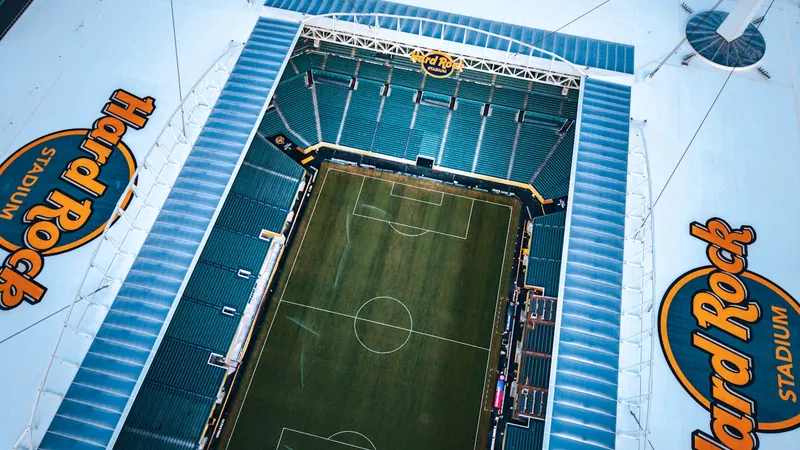
#8: Hard Rock Stadium: Miami Gardens
Miami gets the Third-Place Match plus seven group-stage games. The South Florida soccer market has been quietly underestimated for years. Inter Miami matches draw genuinely supportive crowds, and the city’s Latin American immigrant communities show up in numbers that surprise visitors from drier markets.
The structural downside: Hard Rock’s lower bowl was designed in 1987 with NFL sightlines in mind, which means it’s shallower than newer venues. Sound disperses faster. The atmosphere will be strong but more dispersed than at Mercedes-Benz or Lumen Field, where the bowl architecture concentrates noise.
The Third-Place Match (July 18) is also historically less competitive than what’s above it in the bracket. Both finalists’ opponents from the semis playing a meaningful match for international pride.
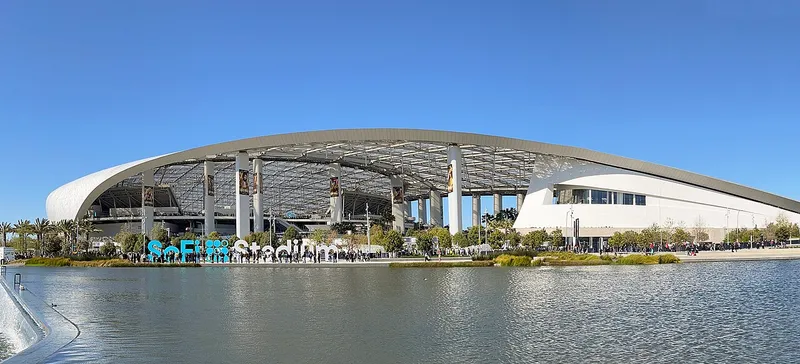
#9: SoFi Stadium: Los Angeles
The most expensive stadium ever built: $5.5 billion. A 70,240-seat venue under an open-air translucent ETFE canopy that isn’t technically retractable, but isn’t enclosed either. The architecture is genuinely impressive.
LA gets eight matches including knockout fixtures. The soccer market is enormous (LAFC and the Galaxy together are one of MLS’s strongest two-team metros). The city has hosted international friendlies for decades. The fans show up.
What works against SoFi is the building’s own scale. The footprint is massive, the bowl is wide, and the ETFE canopy doesn’t quite trap sound the way a closed roof would. The architectural showcase looks spectacular on TV. The in-stadium experience will be strong rather than overwhelming.
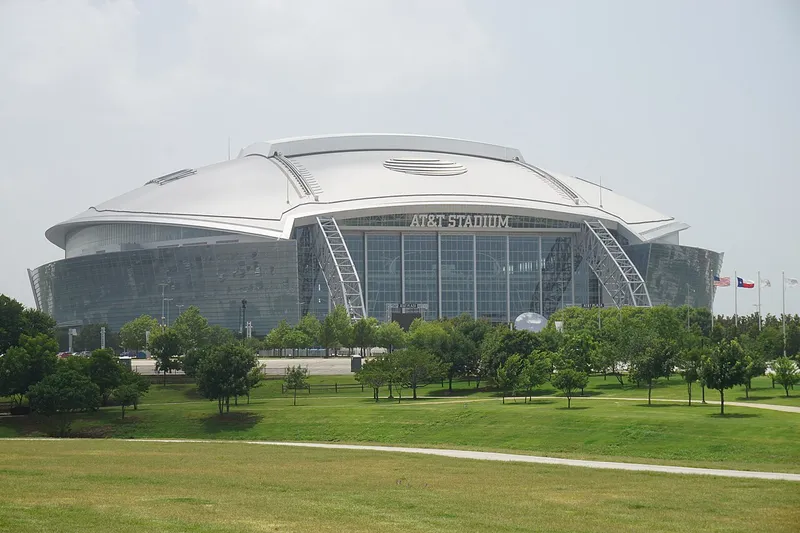
#10: AT&T Stadium: Arlington, TX
Jerry Jones built a 94,000-seat venue for $1.15 billion in 2009. AT&T Stadium hosts nine matches at the 2026 World Cup, the most of any venue in the tournament. Includes a semifinal.
The retractable roof closes against the Texas summer heat (Arlington in June regularly hits 95°F). The lower bowl is one of the steepest in the NFL. The center-hung video board is one of the largest in any major sports venue.
The unresolved question is what Texas soccer culture brings to a World Cup. FC Dallas has been in the metro since 1996, but the chant culture and organized supporter sections aren’t at the Atlanta or Seattle level yet. The crowds will be large. They’ll be enthusiastic. The acoustic intensity will trail the top venues despite the size.
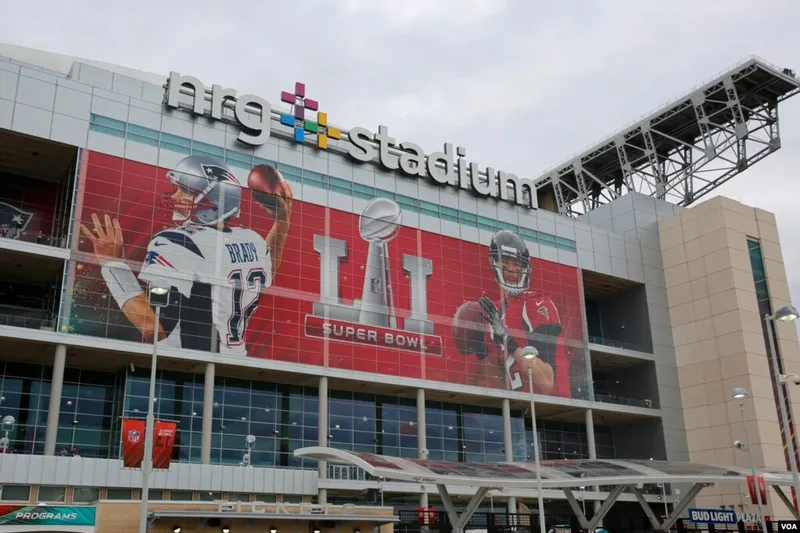
#11: NRG Stadium: Houston
Houston Dynamo, Latin American population that fills MLS matches, retractable roof against the brutal summer. Seven matches including a Round of 32 fixture.
NRG was designed for the Texans first. The bowl shape isn’t optimized for soccer acoustics. The retractable roof closes against the heat (Houston in late June hits 95°F with high humidity), which helps acoustic concentration when it does.
The atmosphere will be strong for any Mexico-adjacent matches, where the local Mexican-American population shows up in force. For other fixtures it’s likely to be a step below the top tier, even with the climate-controlled roof.
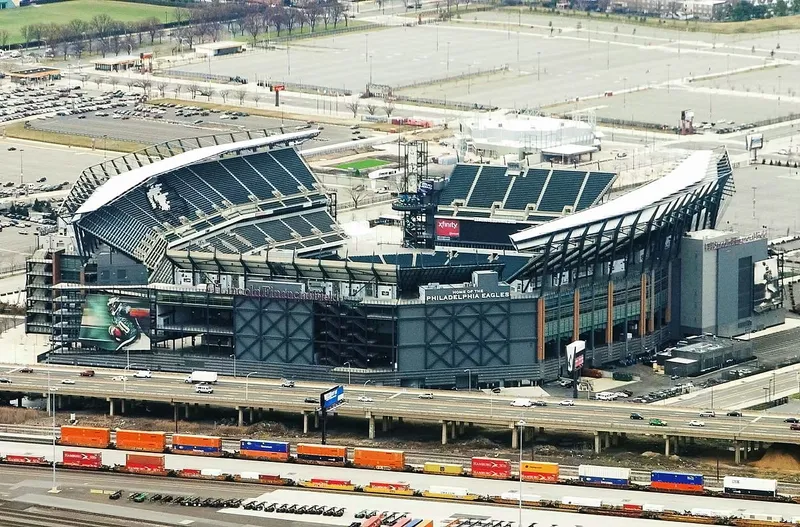
#12: Lincoln Financial Field: Philadelphia
Eagles fans bring a particular brand of East Coast intensity. The Philadelphia Union (in nearby Chester) have one of MLS’s more passionate supporter cultures, and Philly fans show up for soccer when given a reason.
The stadium is open-air, the bowl is relatively shallow (the Linc opened in 2003), and sound disperses faster than at newer venues with steeper bowls and partial roofs. Six matches including knockout fixtures. The crowd will be loud and engaged. The acoustics won’t amplify it the way Mercedes-Benz or Lumen Field’s design does.
The local culture is the upside. Philly will bring it. The architecture will let some of it escape into the New Jersey sky.
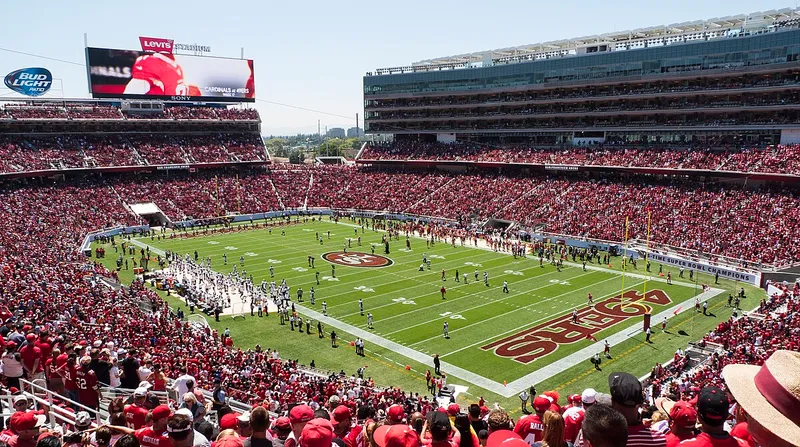
#13: Levi’s Stadium: Santa Clara, CA
The 49ers’ home is widely considered one of the most disappointing atmospheres in the NFL, a 68,500-seat bowl with a wide footprint, shallow lower deck, and exposed west-side seating that bakes in the afternoon sun. The Bay Area soccer culture is solid (San Jose Earthquakes have been there since the 1970s), but the venue itself fights the people.
Six matches, including knockout fixtures. The structural issues won’t disappear for the World Cup. Strong supporter contingents at marquee fixtures will overcome it; less-anticipated group-stage matches may feel half-empty even when they aren’t.
Worth knowing for traveling fans: Levi’s is 40 miles south of San Francisco, in Santa Clara. The pre-match scene around the stadium is sparse compared to the urban venues. Plan transit accordingly.
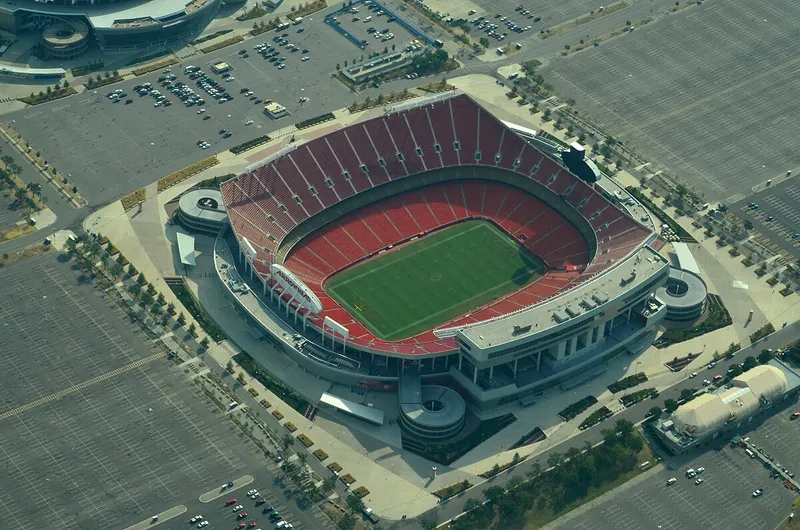
#14: Arrowhead Stadium: Kansas City
Arrowhead is the current Guinness World Record holder for loudest crowd roar at a sports stadium: 142.2 dB, set against the New England Patriots on September 29, 2014. The record has stood for over a decade. The architecture is excellent. The fans are excellent. The venue has hosted multiple US Men’s National Team matches over the years, with above-average atmospheres each time.
Six matches at the 2026 World Cup including a Round of 32 fixture. Sporting Kansas City supporters will be there in force, but the size of that contingent is smaller than the Sounders’ or Atlanta United’s organized sections. The question is whether NFL noise energy translates to soccer-chant-and-tifo energy for the same crowd.
Most likely answer: partially. The decibels will be there. The chant choreography may not.
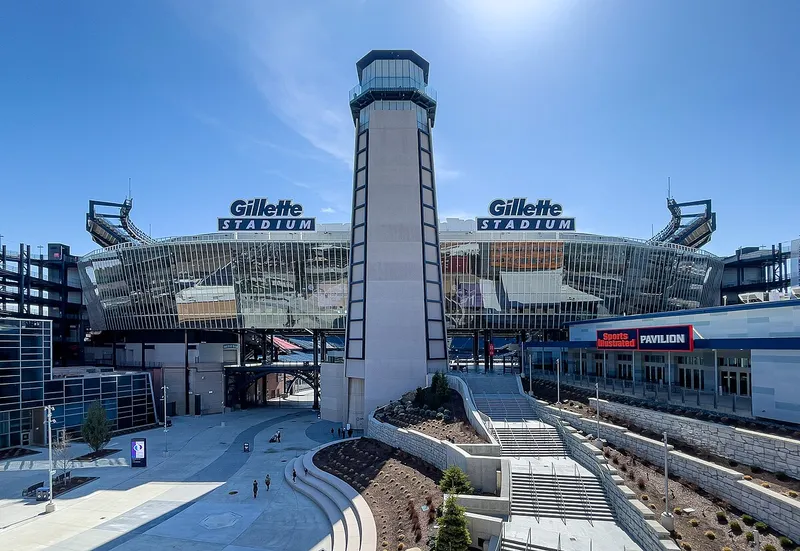
#15: Gillette Stadium: Foxborough, MA
Six matches including a Round of 32. New England Revolution play here, with attendance that varies match-to-match. The stadium is open-air with a moderate bowl, and the location (Foxborough is 30+ miles from downtown Boston) dilutes the pre-match scene that you get at true urban venues.
Gillette opened in 2002 and is currently going through ongoing renovation work. The configuration was designed for NFL games first. International soccer matches here have happened, but the venue doesn’t have the same FIFA-tournament rehearsal history as Lumen, Mercedes-Benz, or MetLife.
The atmosphere will be present. Just not commanding.
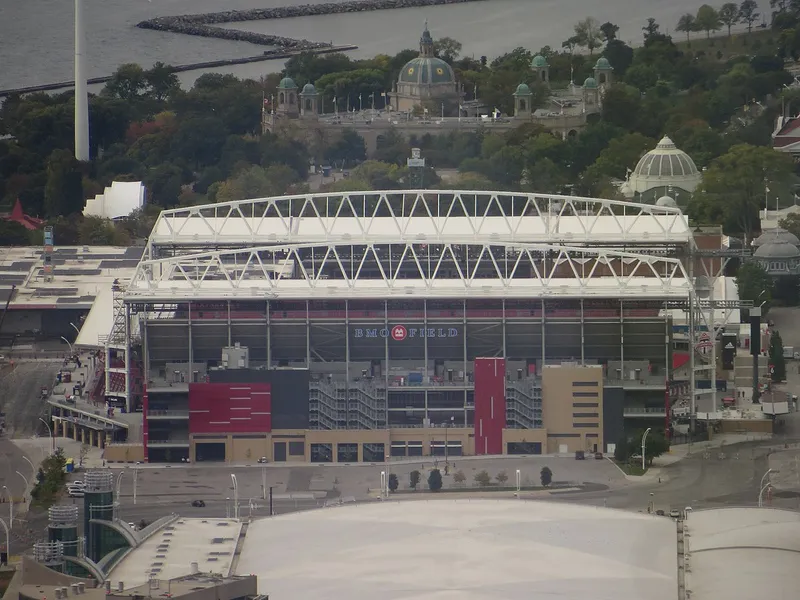
#16: BMO Field: Toronto
The smallest venue on the tournament schedule. 30,000 seats in normal configuration, expanded temporarily to 45,000 for the World Cup with modular tribunes at the south end. Six matches.
Here’s the case for BMO Field finishing higher: Toronto FC has one of MLS’s most passionate supporter cultures (the Red Patch Boys, U-Sector), and a smaller venue can produce more intimate atmospheres than a sprawling NFL bowl. There’s a real chance Toronto over-performs this ranking.
Here’s the case against: temporary expansion seating is generally less atmospheric than permanent seating, and BMO Field’s home-Canada moment is a single fixture against a single opponent. The other five matches are TFC-fan-base-adjacent rather than TFC-driven.
Could go either way. Honest position: last on this list but not by a wide margin.
What to expect across the tournament
Here’s the summary in table form. The “key driver” column is the single most important factor pushing each venue’s ranking up or down.
| Rank | Stadium | City | Capacity | Matches | Key driver |
|---|---|---|---|---|---|
| 1 | Estadio Azteca | Mexico City | 87,523 | 5 | Mexico opener + history |
| 2 | Estadio BBVA | Monterrey | 53,500 | 4 | Liga MX intensity |
| 3 | MetLife Stadium | East Rutherford | 78,576 | 8 | The Final |
| 4 | Mercedes-Benz Stadium | Atlanta | 75,000 | 8 | Atlanta soccer culture |
| 5 | Lumen Field | Seattle | 69,000 | 6 | Sounders acoustics |
| 6 | BC Place | Vancouver | 54,000 | 7 | Canada home matches |
| 7 | Estadio Akron | Guadalajara | 48,000 | 4 | Mexican home culture |
| 8 | Hard Rock Stadium | Miami Gardens | 65,000 | 8 | Latin American fans |
| 9 | SoFi Stadium | Los Angeles | 70,000 | 8 | LA soccer market |
| 10 | AT&T Stadium | Arlington | 94,000 | 9 | Sheer scale |
| 11 | NRG Stadium | Houston | 72,000 | 7 | Latin American population |
| 12 | Lincoln Financial Field | Philadelphia | 69,000 | 6 | Philly intensity |
| 13 | Levi’s Stadium | Santa Clara | 71,000 | 6 | Bay Area soccer culture |
| 14 | Arrowhead Stadium | Kansas City | 73,000 | 6 | NFL noise tradition |
| 15 | Gillette Stadium | Foxborough | 65,000 | 6 | New England Revolution |
| 16 | BMO Field | Toronto | 45,000 | 6 | TFC supporters |
Top 5 produce 35+ of the tournament’s 104 matches: most of the headline atmosphere will come from Azteca, BBVA, MetLife, Mercedes-Benz, and Lumen Field.
What this ranking probably gets wrong
Predictions about atmosphere are partly guesswork. Here’s where the ranking might fall apart in practice.
Toronto could over-perform. Canadian soccer culture is growing fast, and BMO Field’s smaller capacity means every fan there will be there because they wanted to be, not because their company bought tickets. Engaged crowds in small venues sometimes produce the most memorable atmospheres of a tournament.
Texas could over-perform. AT&T Stadium and NRG combined for one of the great Copa América atmospheres in 2024. The Texas-Mexico border populations bring serious soccer culture even if the home cities aren’t traditional MLS strongholds. AT&T’s 94,000 seats might end up producing the loudest crowd of the tournament, full stop.
LA might disappoint. SoFi Stadium is architecturally impressive but the crowd at Rams and Chargers games is famously laid-back. Whether World Cup fans bring the energy SoFi’s bowl needs to feel full is genuinely uncertain.
The ranking is a starting point. Match results, supporter contingent allocations, and sheer luck of which teams advance into knockout rounds at which venues will reshape it as the tournament unfolds.
For complete schedules, capacity details, and venue-specific guides for each of the 16 World Cup 2026 host stadiums, see the tournament hub. For the Estadio Azteca opener on June 11 and the MetLife Stadium final on July 19, see the venue pages.
Sources
- FIFA: World Cup 2026 host stadiums and schedule. Host venue capacities and the match assignment for each of the 16 stadiums.
- Guinness World Records: loudest crowd roar at a sports stadium, the current mark of 142.2 dB set at Arrowhead on 29 September 2014, and the Seahawks’ 136.6 dB against the 49ers on 15 September 2013, the first of Seattle’s two.
- ESPN: Seahawks fans take back the stadium noise record. The 137.6 dB against the Saints on 2 December 2013, and Kansas City’s 137.5 dB from that October, which it beat by a tenth of a decibel.
- Mercedes-Benz Stadium: Atlanta United attendance records. The 72,035 single-game record and the 53,002 season average.
Capacity, cost, opening and tenant details for each venue come from its own page on this site, linked inline. The ranking itself is our judgement, not a measurement: decibel records exist for a handful of these stadiums and for none of the others, so the order rests on crowd culture, climate, host-nation interest and venue acoustics rather than on numbers that can be compared directly.
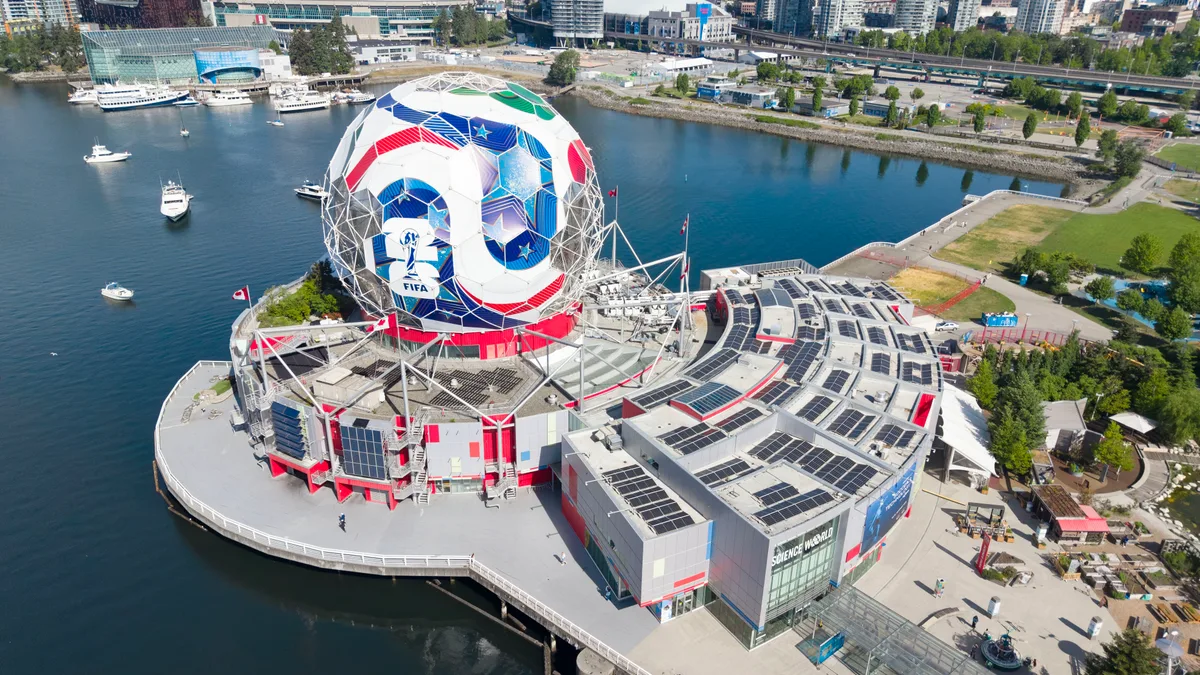
Hero photo: “Science World in Vancouver during 2026 FIFA World Cup” by Quintin Soloviev, CC BY 4.0 via Wikimedia Commons.