The 2025 Club World Cup was supposed to be a dress rehearsal. Instead, it became a warning.
FIFA staged that tournament across the United States in the summer of 2025, exactly one year before the World Cup and in several of the same stadiums.
In Cincinnati that June, on-pitch temperatures hit 45°C (113°F). Borussia Dortmund’s substitutes watched the first half from inside the locker room because the bench was unbearable, and their manager compared the conditions to a sauna. In Miami, Juventus coach Igor Tudor said ten of his players asked to be subbed off against Real Madrid. “They were really tired,” he said. A Benfica forward put it more bluntly: “I don’t think I have ever played in such heat. I don’t think it’s healthy.”
Now the actual World Cup arrives, June 11 to July 19, 2026, across the same broiling American summer. Sixteen stadiums, three countries, and a very uneven set of defenses against the heat. Some venues can flip a switch and turn the bowl into a cool, dry room. Most can’t do anything but hand out water and hope for a breeze.
So here’s the question fans and players keep asking, answered venue by venue: which 2026 World Cup stadiums are actually air-conditioned, which just have a roof, and which leave you baking in the sun?
3 of 16. Only Atlanta, Dallas, and Houston can genuinely air-condition their seating bowls. Every other host venue is open-air or covered without cooling.
Which 2026 World Cup stadiums are air-conditioned? Only three
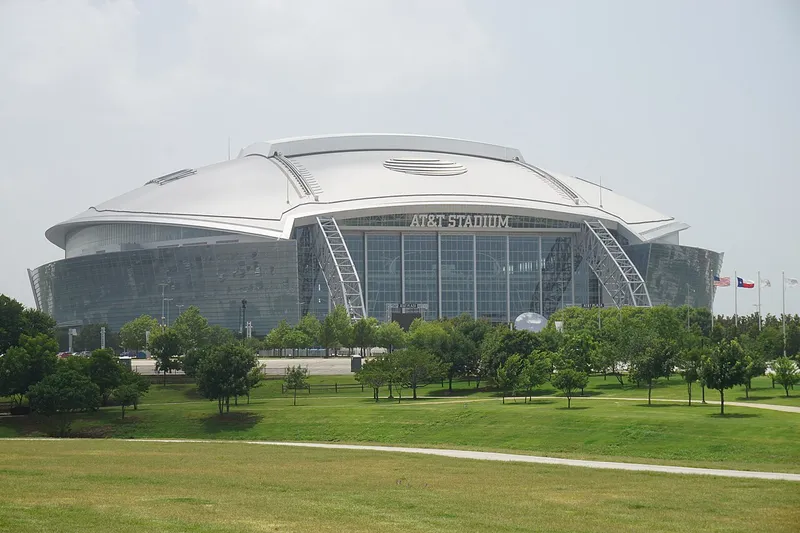
Only three of the 16 World Cup 2026 venues can create a fully climate-controlled matchday environment: Mercedes-Benz Stadium in Atlanta, AT&T Stadium in Dallas, and NRG Stadium in Houston. All three share the same design logic, a retractable roof paired with an industrial cooling plant, and all three depend on one condition: the roof has to be closed for the air conditioning to matter.
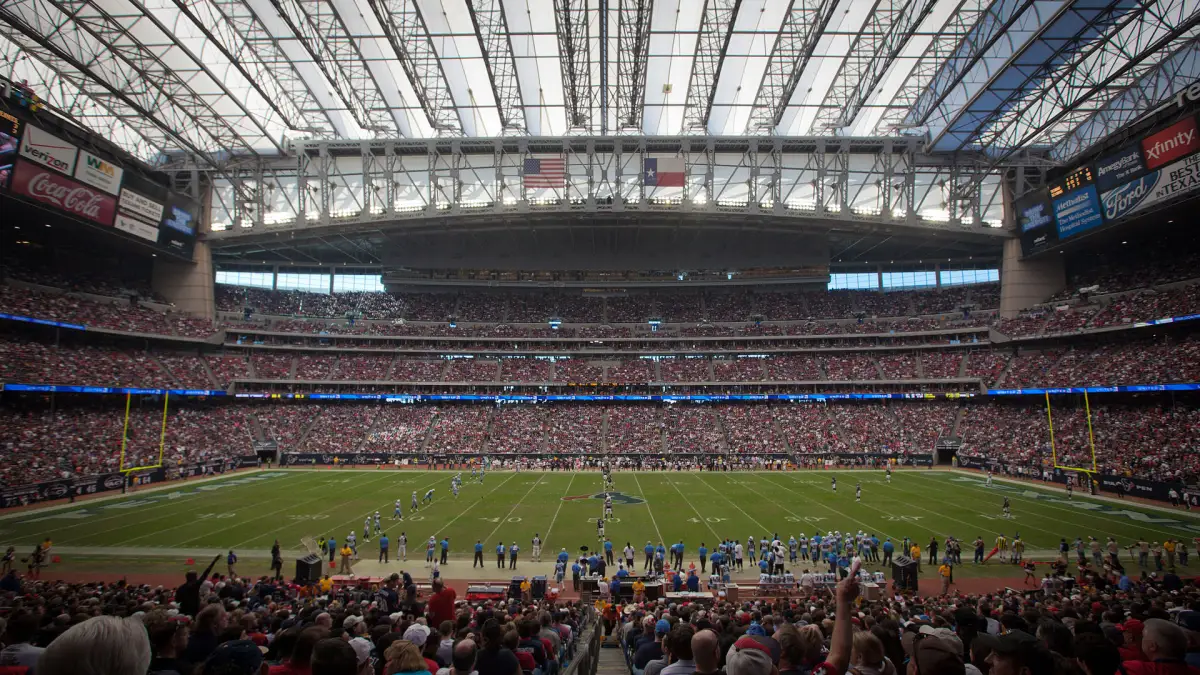
NRG Stadium in Houston is the purest example. It opened in 2002 as the NFL’s first retractable-roof stadium, engineered from the start for a city where summer means high-30s Celsius heat and suffocating Gulf humidity. Close the roof and the doors, and the reported multi-thousand-ton cooling system turns the interior into one of the largest air-conditioned spaces in the United States. The outside weather simply stops at the turnstile.
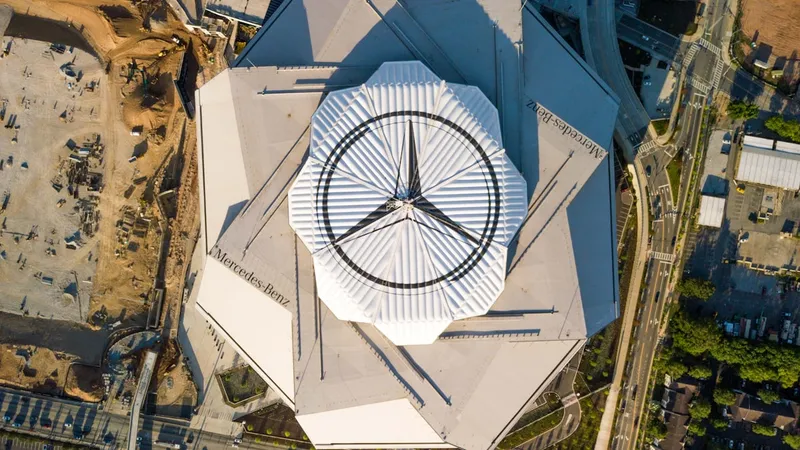
Mercedes-Benz Stadium in Atlanta does it with more theater. Its roof is eight translucent panels that slide open around a central oculus like a camera aperture. Closed, it seals the bowl into an indoor climate that reportedly holds the pitch near 20°C (68°F). Atlanta hosts nine matches, including a semifinal, and every one of them can be played in shirtsleeve comfort no matter what the Georgia afternoon is doing.
AT&T Stadium in Dallas has the air conditioning too, with a bowl target around the mid-70s Fahrenheit. But it comes with an asterisk. When the roof and the giant end-zone glass doors close against 36°C Texas heat, the sun still pours through the glass onto the field. Reporting has flagged a greenhouse effect at pitch level, where radiant heat and glare persist even as the air above the stands stays cool. Cool for fans, less so for the players in the sun.
~20°C (68°F). The pitch temperature Atlanta’s cooling plant reportedly maintains with the roof closed, roughly the same as an air-conditioned office.
The semifinals are air-conditioned. The Final is not.
The last week of the tournament draws the sharpest line of all, and it falls in the wrong place.
Both semifinals land in cooled buildings. The first, on July 14, is at AT&T Stadium in Dallas, where the roof closes and the bowl is held around the mid-70s Fahrenheit, even if the sun still pours through the end-zone glass onto the grass. The second, on July 15, is at Mercedes-Benz Stadium in Atlanta, the most thoroughly climate-controlled venue of the sixteen, where a closed roof keeps the pitch near 20°C (68°F) no matter what a Georgia afternoon is doing outside. Two of the three air-conditioned stadiums in the entire tournament, back to back.
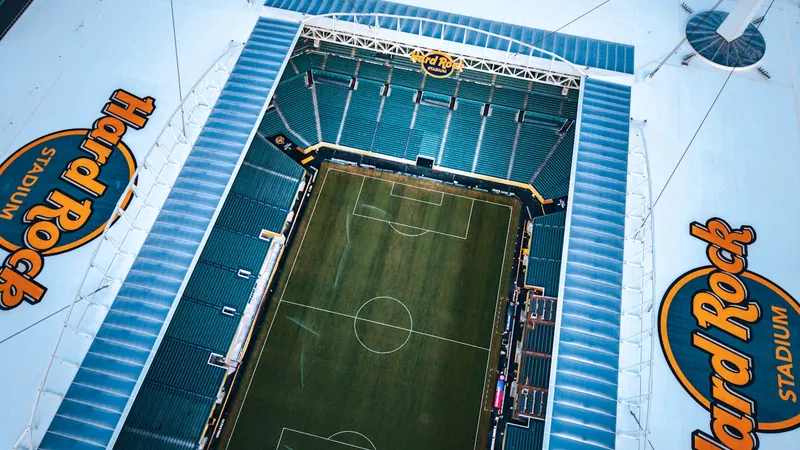
Then the World Cup walks back out into the heat. The third-place match on July 18 goes to Hard Rock Stadium in Miami, where a canopy shades the seats but leaves the pitch fully exposed to the Florida sun and humidity. And the Final, on July 19, is at MetLife Stadium in New Jersey: open to the sky, no roof, no cooling of any kind, in a summer FIFPRO ranks among the three biggest heat risks of the whole tournament.
So the answer to the question everyone is now asking depends entirely on which match you mean. Watching a semifinal? You will be comfortable. Watching the Final? Bring water.
Both semifinals: air-conditioned. The Final: not. The biggest match on earth is the least protected of the four.
A roof is not air conditioning: the retractable-roof catch
A retractable roof and air conditioning are not the same thing, and the difference trips up a lot of stadium lists. A roof blocks sun and rain. Air conditioning changes the air. Only Atlanta, Dallas, and Houston pair the two. The clearest proof is the fourth retractable-roof venue in the tournament, which has the roof but not the cooling.
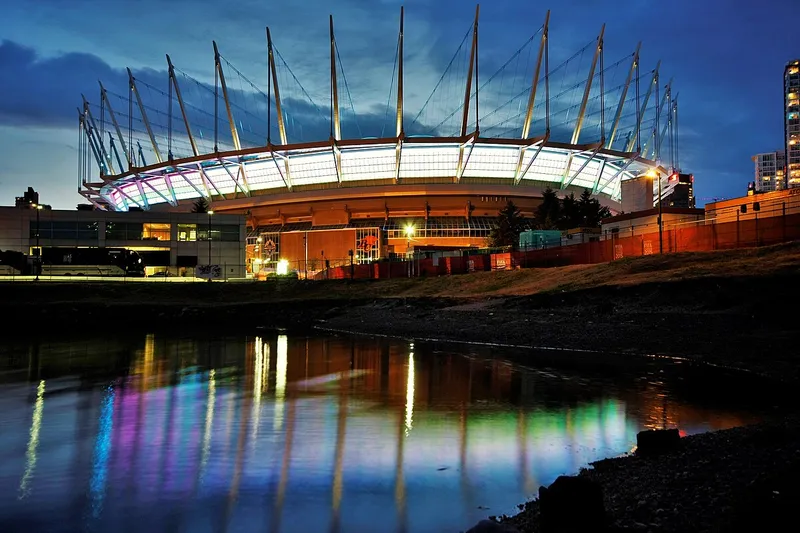
BC Place in Vancouver has a cable-supported retractable fabric roof that can close over the field in about 20 minutes. It looks, on paper, like it belongs with the Atlanta group. It doesn’t. BC Place is not climate-controlled. The roof gives shelter and shade, nothing more. Watch out for secondary lists that lump it in with the air-conditioned domes, because the detailed reporting is explicit that it isn’t one.
Here’s the thing though: BC Place doesn’t need to be. Vancouver is the mildest host city of the tournament. Average World Cup match highs sit around 18 to 21°C (65 to 70°F), and climate analysis found none of its matches carry a serious heat risk. The roof is there for Pacific Northwest rain, not for cooling anybody down. A retractable roof in Vancouver is a raincoat. In Houston, it’s life support.
The comfortable middle: shade without cooling
Several venues split the difference. No air conditioning, but a roof or canopy over most of the seats plus a naturally mild climate, which adds up to a comfortable afternoon without a single ton of mechanical cooling.
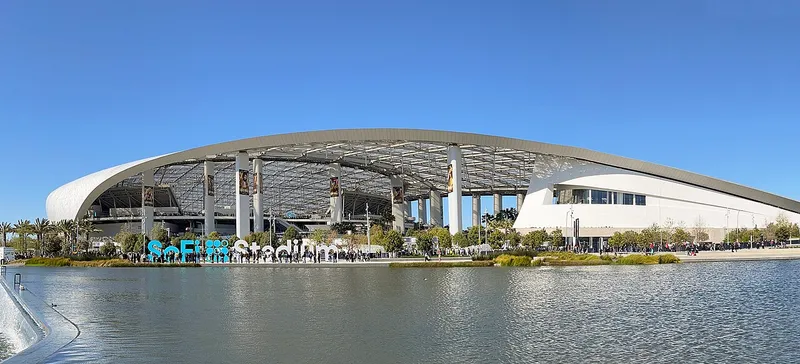
SoFi Stadium in Los Angeles is the standout. Its fixed translucent canopy, a million-plus square feet of ETFE with a frit-dot pattern, shades nearly every seat and filters the sun off the pitch, while the open sides let the ocean breeze move through. There’s no bowl air conditioning at all. It doesn’t need it, because Los Angeles summers are warm, dry, and forgiving. The design does the work that a chiller does elsewhere.
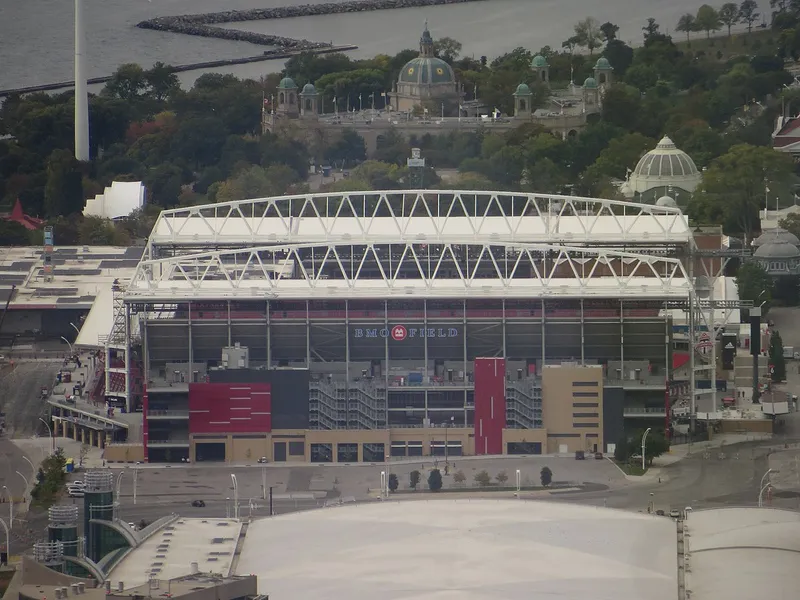
Lumen Field in Seattle takes a similar path with a partial cantilevered roof covering roughly 70% of the seats. The field stays open, the climate stays mild, and heat is close to a non-issue in a Pacific Northwest June. BMO Field in Toronto works the same way, a canopy over most permanent seating and a cooling breeze off Lake Ontario, with only the occasional humid spell pushing it past comfortable. None of these three is cooled. None really has to be.
18 to 21°C (65 to 70°F). Vancouver’s average World Cup match highs, the coolest of any 2026 host city and milder than a room-temperature target.
Mexico City’s altitude twist: cool air, brutal sun
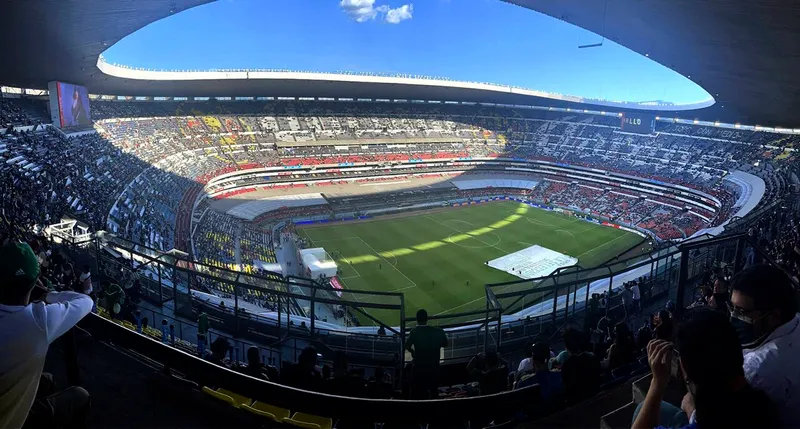
Estadio Azteca, rebranded Estadio Banorte after its 2026 renovation, breaks the usual rules. It’s open to the sky over the pitch, with a new roof that shelters only the upper stands. By the logic of every hot open-air venue below, that should spell trouble. It doesn’t, because of where it sits.
At 2,241 meters (7,352 feet), Mexico City is the highest venue of the tournament by a mile. The altitude keeps the air genuinely cool, June and July highs average only around 24 to 25°C (75 to 77°F), milder than a dozen of the “hotter” cities on this list. But altitude giveth and taketh. The thin air lets far more solar radiation through, so direct sun feels fierce on exposed skin even when the temperature reads mild, and the reduced oxygen is a bigger physiological problem for players than the heat ever will be. We went deep on exactly this in our Mexico City altitude breakdown. Short version: cool day, savage sun, thin air.
The open-air ovens: where heat becomes a safety issue
Then there are the venues with no roof, no air conditioning, and a summer climate that turns a 3pm kickoff into a medical question. This is where FIFPRO, the global players’ union, has drawn its red lines. Its three highest-risk venues for 2026 are all here: Miami, Kansas City, and East Rutherford.
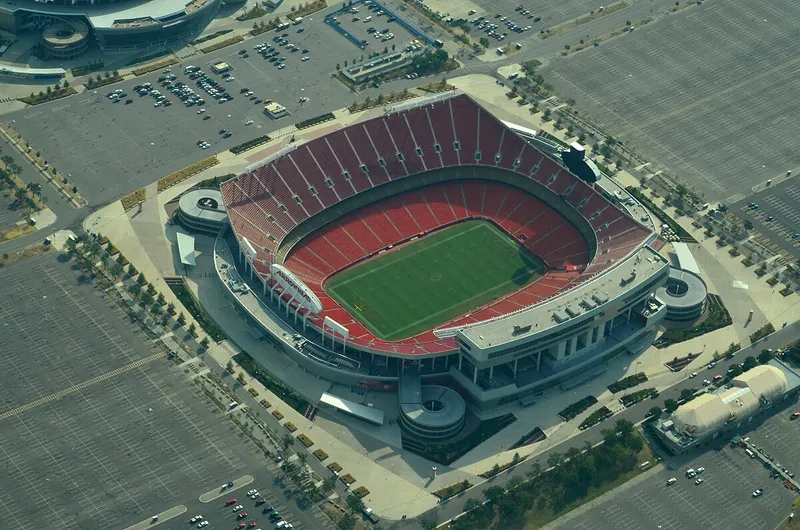
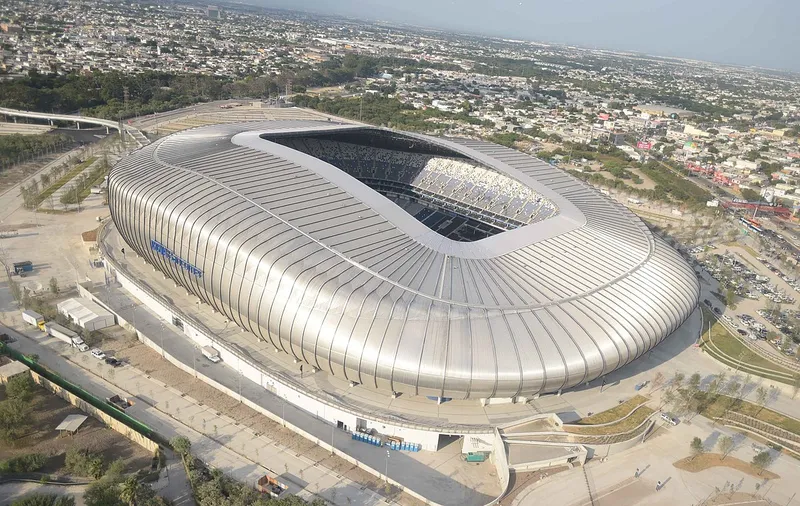
The worst of them is Estadio BBVA near Monterrey. The stadium sits in a valley that traps heat, hot mountain winds push temperatures higher still, and June-July highs run 34 to 35°C (93 to 95°F) with peaks past 40°C. It’s the reason FIFA pushed Monterrey kickoffs to 9:00 PM local time. Arrowhead Stadium in Kansas City isn’t far behind, with a July heat index that “feels like” 104°F (40°C) and almost no shade over the bowl. Hard Rock Stadium in Miami covers about 92% of its seats with a canopy, but the field is fully exposed to the subtropical sun, and Florida humidity means even shaded seats feel like a steam room.
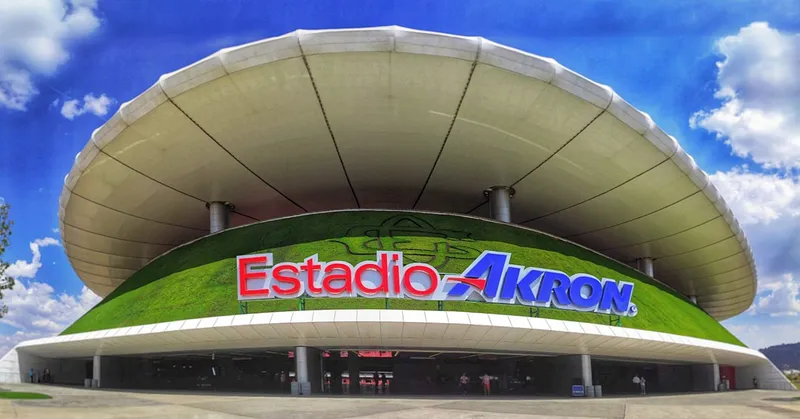
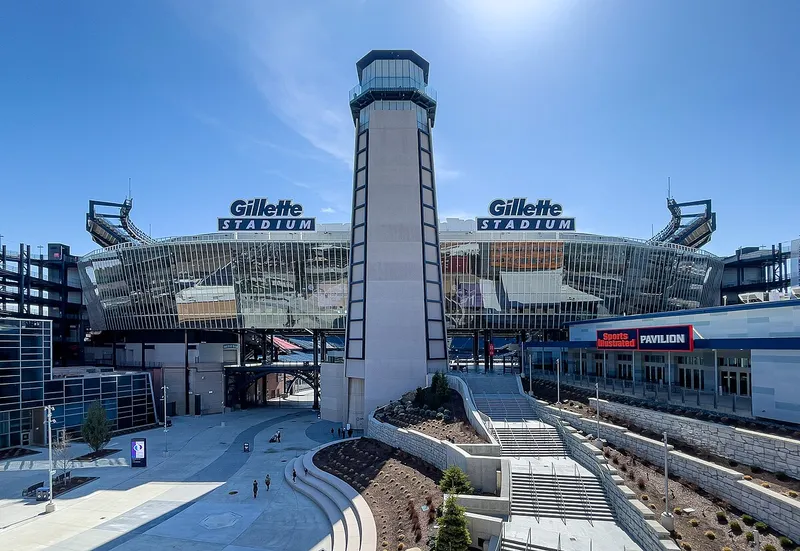
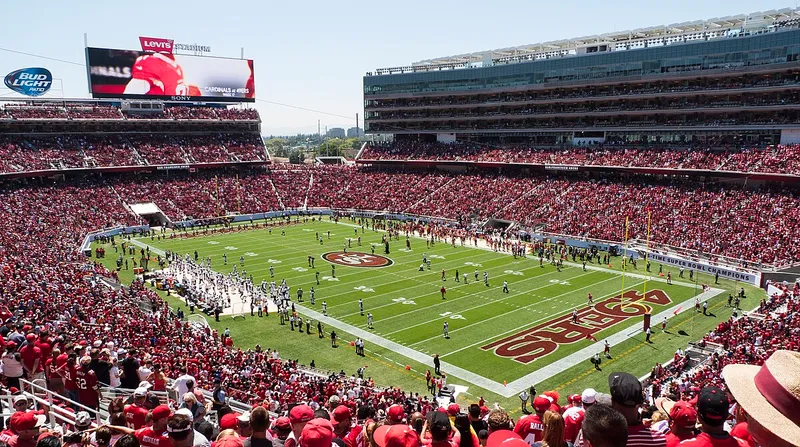
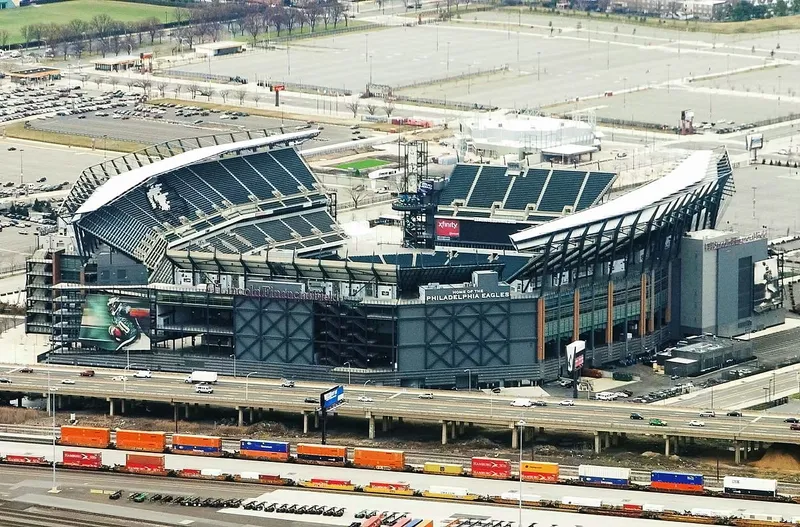
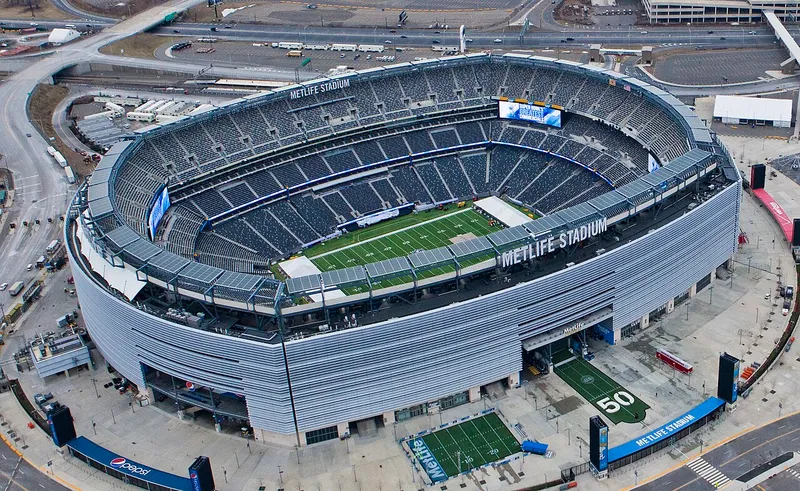
Levi’s Stadium in the Bay Area has a quieter but well-documented problem. Its sun-drenched east side, where most fans sit, has no overhangs and reflects heat off the concrete so badly that spectators have suffered heat exhaustion at afternoon games, leaving those stands half-empty on hot days. And then there’s the biggest stage of all. MetLife Stadium, which hosts the July 19 Final, is fully open-air with July highs around 30 to 31°C (86 to 88°F) and thick New Jersey humidity. Lincoln Financial Field in Philadelphia and Gillette Stadium near Boston round out the humid, uncovered northeastern group, both flagged as very high heat risks despite their cooler reputations. Even Estadio Akron in Guadalajara, tempered by altitude and its rainy season, leaves the pitch fully in the sun under a canopy that only shades the stands.
A quarter of matches. FIFPRO’s estimate for how many 2026 games could be played in heat conditions that threaten players and fans.
The full ranking: 16 World Cup 2026 stadiums by heat comfort
Put it all together and the 16 venues sort cleanly from climate-controlled refuge to open-air oven. Our ranking weighs three things: whether the bowl is air-conditioned, how much the roof or canopy shades seats and field, and the host city’s summer climate.
| # | Stadium | City | Roof | Bowl AC? | Summer day-match heat |
|---|---|---|---|---|---|
| 1 | NRG Stadium | Houston | Retractable | Yes | Very low (roof closed) |
| 2 | Mercedes-Benz Stadium | Atlanta | Retractable | Yes | Very low (roof closed) |
| 3 | AT&T Stadium | Dallas | Retractable | Yes | Low air, sunny pitch |
| 4 | BC Place | Vancouver | Retractable | No | Low (mild climate) |
| 5 | Lumen Field | Seattle | Partial (~70%) | No | Low |
| 6 | BMO Field | Toronto | Partial | No | Low to moderate |
| 7 | SoFi Stadium | Los Angeles | Fixed canopy | No | Low to moderate |
| 8 | Estadio Azteca | Mexico City | Partial (stands) | No | Cool air, intense sun* |
| 9 | Estadio Akron | Guadalajara | Fixed canopy | No | Moderate |
| 10 | Gillette Stadium | Boston | Open-air | No | Moderate |
| 11 | Lincoln Financial Field | Philadelphia | Open-air | No | Moderate to high |
| 12 | MetLife Stadium | New York/NJ | Open-air | No | Moderate to high (Final) |
| 13 | Levi’s Stadium | San Francisco Bay | Open-air | No | High (sun-exposed side) |
| 14 | Hard Rock Stadium | Miami | Canopy, open field | No | High (humid, exposed pitch) |
| 15 | Arrowhead Stadium | Kansas City | Open-air | No | High (heat index ~104°F) |
| 16 | Estadio BBVA | Monterrey | Partial (upper) | No | Extreme (valley heat) |
*Mexico City is the altitude exception: mild air temperatures, but fierce solar radiation and thin air at 7,352 feet.
The pattern is almost cruel. The three hottest US host cities, Atlanta, Dallas, and Houston, are the exact three that got air-conditioned stadiums. The heat risk didn’t go away. It just moved to the open-air venues in Miami, Kansas City, Monterrey, and the northeastern corridor, where there’s no roof to close.
What FIFA is doing about it, and why players say it’s not enough
FIFA’s headline response is a rule change. Starting in 2026, every match stops at the 22-minute mark of each half for a three-minute hydration break, measured whistle to whistle, in every game regardless of weather, temperature, or whether the stadium has a roof. It’s the first time these breaks are automatic rather than triggered by heat. “For every game, no matter where the games are played, no matter if there’s a roof,” said FIFA tournament chief Manolo Zubiria, “there will be a three-minute hydration break.”
The players’ side says that’s not close to enough. FIFPRO acts on a WBGT heat index of 26°C for cooling measures and 28°C for considering postponement. FIFA’s own threshold for extra precautions is 32°C (89.6°F), well above both, and even above the 29°C trigger that MLS uses domestically. In May 2026, a group of 21 scientists wrote to FIFA arguing the three-minute breaks are too short to cool a player down and should be at least doubled. FIFPRO’s medical director, Dr. Vincent Gouttebarge, was blunt about the hottest fixtures: “These games should have been postponed to a better place in the day.”
They have the receipts. At the 2025 Club World Cup, played across many of these same stadiums, FIFPRO said three matches should have been suspended for exceeding its 28°C limit. One semifinal in New Jersey hit a WBGT of 27.9°C at a 3pm kickoff. That tournament is the clearest preview of 2026 we have, and it ran hot enough to send substitutes indoors and leave managers reaching for the word “sauna.”
WBGT 32°C. FIFA’s threshold for extra heat precautions, four degrees above FIFPRO’s postponement line of 28°C.
The bottom line for 2026
If you’re picking a match to attend and heat is a concern, the three air-conditioned venues are the safe bet: Atlanta, Houston, and Dallas will be cool inside no matter the forecast. Vancouver, Seattle, Toronto, and Los Angeles stay comfortable through mild climates and good shade. Everywhere else, check the kickoff time and pack water, because a summer afternoon in Monterrey, Kansas City, or Miami is a different sport entirely.
The uncomfortable irony sits at the top of the schedule. The World Cup Final on July 19 will be played at MetLife Stadium, open to the sky, no roof, no air conditioning, in the New Jersey summer that FIFPRO ranks among its three biggest heat risks of the tournament. The biggest match on earth, in one of the least protected buildings hosting it. For a deeper look at every host venue, start with our World Cup 2026 hub and the venues ranked by atmosphere. Then keep an eye on the forecast. In 2026, it’s part of the game.
Sources
- FIFA: Hydration breaks introduced for World Cup 2026. The mandatory three-minute break at the 22-minute mark of each half, and the Manolo Zubiria quote.
- ESPN: Club World Cup heat and what it means for 2026. Club World Cup 2025 temperatures and WBGT readings, FIFA and FIFPRO thresholds, and player and manager quotes.
- Scientific American: 2026 World Cup players and fans at risk of extreme heat. Climate-scientist analysis and FIFPRO’s estimate that a quarter of matches could be played in threatening heat.
- NPR: World Cup heat risk and climate. FIFPRO’s three highest-risk venues (Miami, Kansas City, and East Rutherford).
- The Conversation: why moving games to evenings isn’t enough. Kickoff scheduling analysis and the May 2026 letter from 21 scientists.
- Climate Central: World Cup 2026 stadium heat analysis. Per-venue heat-risk modeling, including why Vancouver’s BC Place carries little heat risk.
Roof and air-conditioning status for all 16 venues was cross-referenced across official stadium and team sites, architecture and engineering firms, and climate records, and each venue’s own page on this site carries the detail, linked inline. Where sources disagreed, such as the exact cooling-plant capacity at Atlanta and Houston, the figure is stated generally rather than precisely, and details that could not be confirmed were left out.
Hero photo: NRG Stadium by Ed Schipul, CC BY 2.0.