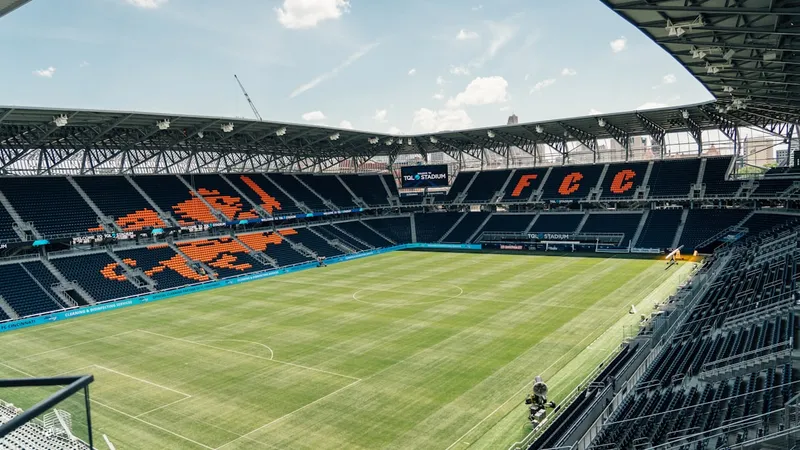
The opening whistle is about ten days away. Forty-eight teams, 104 matches, 16 venues spread across three countries, and every one of those stadiums has just come through a transformation that would make a home renovation show weep.
This was never about a fresh coat of paint. Eleven of the 16 venues ripped out artificial turf and grew real grass, some of it inside billion-dollar domes. Pitches got wider. Broadcast infrastructure got rewired. Temporary structures went up to seat tens of thousands of extra fans. The World Cup 2026 isn’t just bigger than any previous tournament. It forced host venues to reinvent themselves, and most of that work is now done.
Here’s what actually happened on the ground, venue by venue.
Last updated June 1, 2026. The tournament opens June 11 at Estadio Azteca. This article reflects venue readiness as of early June and will be revised once matches begin and final capacities are confirmed.
16 venues. 3 countries. $1.5 billion+. That’s the total infrastructure investment to transform North America’s stadiums for the biggest World Cup in history.
Where every match is being played
Before the venue-by-venue detail, here’s the full picture. AT&T Stadium in Arlington hosts the most matches of any venue with nine, including a semifinal. MetLife Stadium hosts the fewest knockout rounds of the marquee venues but lands the one that matters: the July 19 final. Of the 104 matches, 78 are in the United States, 13 in Mexico, and 13 in Canada. The table below sorts all 16 venues by match count, so you can see at a glance which stadium carries the heaviest tournament load and how far each one goes into the bracket.
| Stadium | City | Matches | Furthest stage |
|---|---|---|---|
| AT&T Stadium | Dallas (Arlington) | 9 | Semifinal |
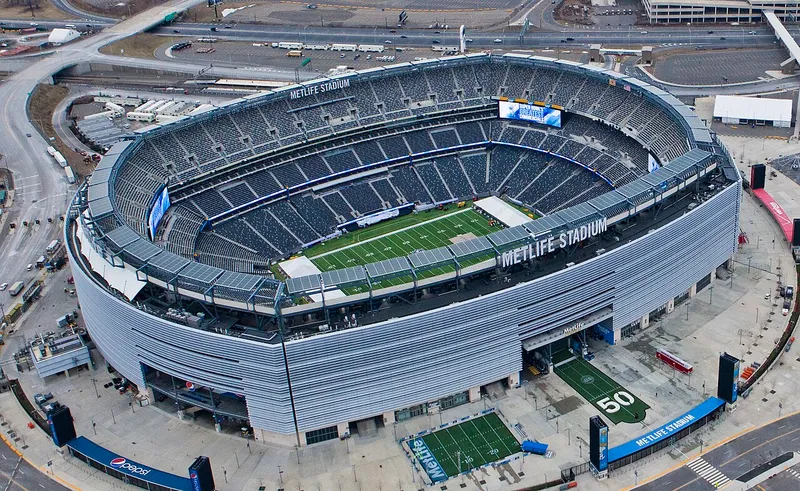
| MetLife Stadium | New York (East Rutherford) | 8 | Final |
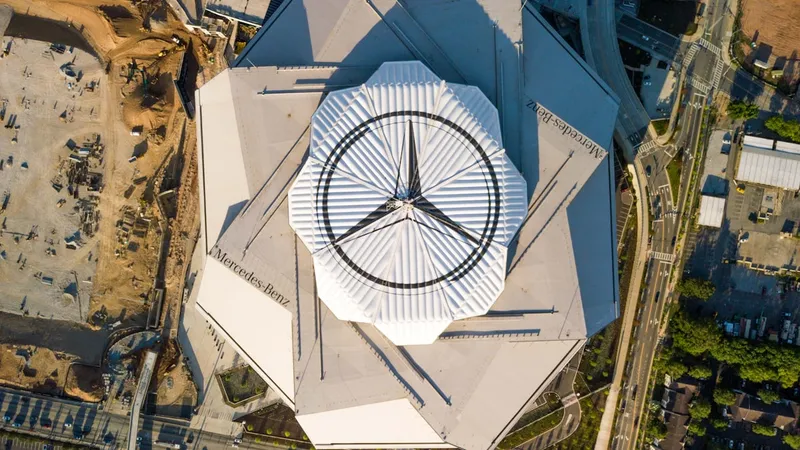
| Mercedes-Benz Stadium | Atlanta | 8 | Semifinal |
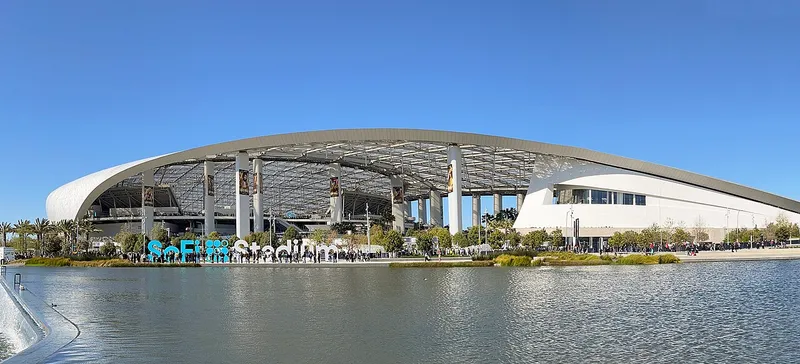
| SoFi Stadium | Los Angeles (Inglewood) | 8 | Quarterfinal |
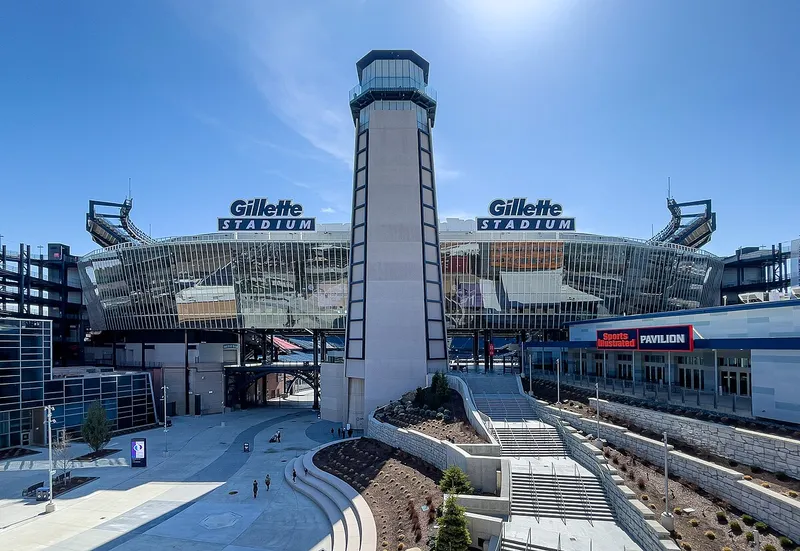
| Gillette Stadium | Boston (Foxborough) | 7 | Quarterfinal |
| Hard Rock Stadium | Miami (Miami Gardens) | 7 | Quarterfinal + third place |
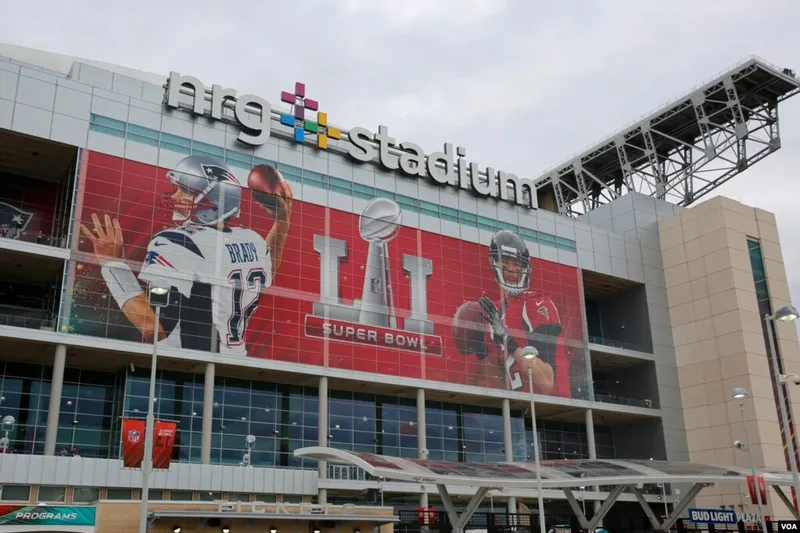
| NRG Stadium | Houston | 7 | Round of 16 |
| BC Place | Vancouver | 7 | Round of 16 |
| Arrowhead Stadium | Kansas City | 6 | Quarterfinal |
| Lincoln Financial Field | Philadelphia | 6 | Round of 16 |
| Lumen Field | Seattle | 6 | Round of 16 |
| Levi’s Stadium | San Francisco (Santa Clara) | 6 | Round of 32 |
| BMO Field | Toronto | 6 | Round of 32 |
| Estadio Azteca | Mexico City | 5 | Round of 32 (opener) |
| Estadio BBVA | Monterrey | 4 | Round of 32 |
| Estadio Akron | Guadalajara | 4 | Group stage |
For the deeper story on how FIFA’s wider pitch changes each venue’s seat count, see our breakdown of why World Cup capacities differ from NFL numbers.
MetLife Stadium: Growing Grass in the Meadowlands
MetLife Stadium in East Rutherford, New Jersey, hosts the World Cup final on July 19, 2026, plus seven earlier matches, for eight in total. It does not host a semifinal: those go to AT&T and Mercedes-Benz. MetLife’s regular surface is synthetic turf for its NFL tenants, and FIFA does not allow synthetic for the World Cup. So the stadium got a natural grass pitch, grown off-site and installed on a modular tray system. At 78,576 seats for the World Cup (its standard 82,500 with corner seats removed for the wider pitch), MetLife is one of the larger US venues, behind AT&T’s tournament-high 94,000, and the open-air bowl turned out to be a quiet advantage: natural light and Meadowlands summer warmth keep the grass healthy without artificial grow lights, a luxury several covered venues didn’t have.
The engineering behind that pitch is genuinely wild. Thousands of interlocking trays, filled with natural turf, grown in a controlled regional facility where sunlight, moisture, and soil composition were replicated, then trucked in and assembled inside the stadium. It’s a technique tested at smaller events (the 2022 Super Bowl at SoFi used a version of it), but the scale here is something else. MetLife needs match-quality grass that can survive eight World Cup matches in a month, including the final.
The New Jersey Sports and Exposition Authority worked with FIFA’s pitch consultants on this from mid-2024 onward. Installation ran through late May 2026, giving the surface several weeks to settle before MetLife’s first match.
Beyond the pitch, MetLife took on serious infrastructure work. Temporary broadcast compounds went up in the parking lots to handle the 200-plus feeds FIFA requires. The WiFi network was upgraded to carry 82,000 fans streaming and posting at once. Multilingual wayfinding signage went up throughout the venue and the transit corridor. NJ Transit added dedicated World Cup train service from Penn Station, with trains scheduled every six minutes on match days. Total investment in MetLife’s readiness: over $100 million, split between FIFA, the local organizing committee, and the stadium’s ownership group.
AT&T Stadium: Jerry’s World Gets a FIFA Makeover
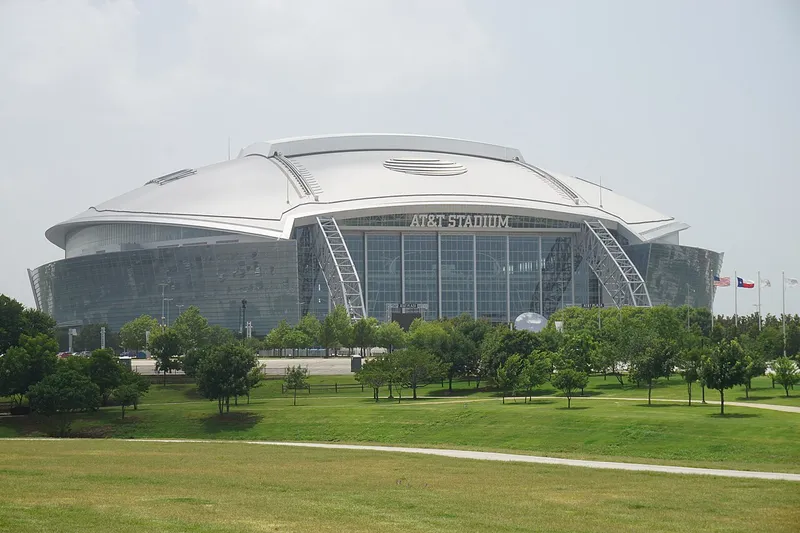
AT&T Stadium in Arlington, Texas, hosts nine World Cup matches, the most of any venue in the tournament, including a semifinal on July 14. Jerry Jones’s $1.15 billion palace, the one with the 160-by-72-foot video board hanging over the field, is also the largest venue in the tournament by capacity. FIFA lists it at roughly 94,000 for the World Cup, expandable through the end-zone standing-room sections Jones built into the design. That makes AT&T the rare venue that gains capacity for soccer rather than losing it: most NFL stadiums shrink to fit the wider FIFA pitch, but Arlington’s standing-room flex pushes the other way.
That famous video board, though, caused some headaches. FIFA’s pitch rules require minimum overhead clearance above the playing surface. The screen hangs roughly 90 feet up at its lowest point, which clears the requirement, but only just. There were months of discussions about whether the board would need to be raised or repositioned for certain camera angles. The settled answer: it stays put, but FIFA’s broadcast team controls its content during matches, not the Cowboys’ in-house crew.
AT&T uses a retractable roof and massive glass end-zone doors. The plan keeps the roof closed for most matches (Texas heat in June and July runs above 95 degrees), with the end-zone doors potentially opened for evening kickoffs to ventilate the building and cut cooling costs. The turf swap mirrored MetLife’s: out with the artificial NFL surface, in with a modular natural grass system. The Cowboys had a head start here, having hosted international friendlies and Gold Cup matches that required temporary grass. A month of World Cup football is still a different beast.
One thing Arlington has in spades: infrastructure. The stadium sits right off Interstate 30 with enormous parking already in place. The weak point is transit. Arlington is famously car-dependent, one of the largest US cities with no rail system at all. The organizing committee planned a fleet of dedicated shuttle buses from Dallas and Fort Worth, plus temporary park-and-ride lots, to keep fans out of parking-lot gridlock. AT&T’s total World Cup prep ran about $75 million.
SoFi Stadium: The Newest Venue Faces Its Biggest Test
SoFi Stadium in Inglewood, California, hosts eight World Cup matches, including the US team’s opener on June 12 and a quarterfinal on July 10. It opened in 2020 at a cost of $5.5 billion, the most expensive stadium ever built, and hosted the Super Bowl in February 2022. For the World Cup it runs at roughly 69,650 capacity, slightly below its NFL maximum, because the soccer configuration removes end-zone seating to fit the wider FIFA pitch. It’s already a world-class venue, but it had never hosted a month-long FIFA tournament, and the gap between an NFL setup and a FIFA setup is wider than you’d expect.
SoFi is an indoor-outdoor hybrid. It has a fixed canopy roof made of ETFE (the same translucent material used at the Allianz Arena in Munich), with partially open sides that let in California air. That design keeps rain out while allowing natural ventilation, which is close to perfect for a June evening in LA. The playing surface is the catch. Like MetLife and AT&T, SoFi runs artificial turf for the Rams and Chargers. The switch to natural grass followed the same modular tray approach, but SoFi has a unique problem: the translucent roof filters out a lot of sunlight, which slows grass growth. The 2022 Super Bowl installation leaned on supplemental grow lights to keep the turf in match condition. Expect the same here, with portable UV rigs running during non-event hours.
The surrounding district, Hollywood Park, went through its own transformation. The 300-acre development already has a concert venue, retail, and a planned casino. For the World Cup, the open plazas convert into a FIFA Fan Festival site with big screens, food vendors, sponsor activations, and live entertainment, built to hold 40,000 fans on match days. That’s essentially a second venue outside the main one.
Transportation is the real test. The LA Metro K Line has a stop at Downtown Inglewood, about a 20-minute walk from the stadium, with shuttle buses bridging the gap and added service planned from Union Station. But this is LA. Most fans will drive, and the parking and traffic plan is where it gets decided. The organizing committee worked with Caltrans on temporary signal modifications and dedicated World Cup lanes on the 405 and Century Boulevard. SoFi’s estimated prep cost: around $60 million, most of it on grass, broadcast infrastructure, and transportation.
Estadio Azteca: A Legend Preparing for History
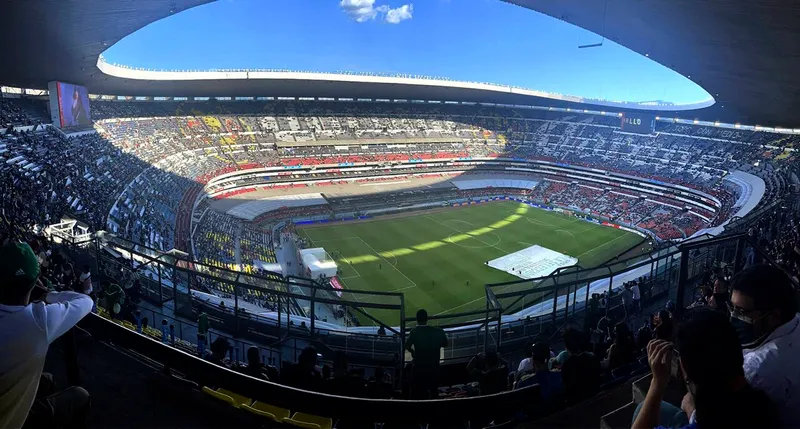
Estadio Azteca in Mexico City hosts five World Cup matches, including the tournament’s opening match on June 11, 2026 (Mexico vs South Africa), and becomes the first stadium in history to feature in three World Cups after 1970 and 1986. For more on that record, see our piece on the only stadium to host three World Cup openers. After its latest renovation the venue seats roughly 87,500 for World Cup matches, down from the standing-terrace peak attendances near 114,000 in the 1980s, but with individual seats throughout. Unlike the US venues, Azteca already has natural grass, so it needed no surface conversion. The pitch has been grass since the stadium opened in 1966, and the groundskeeping team has six decades of experience maintaining it at altitude.
The Azteca’s preparations were the most dramatic of any venue, and the bumpiest. The stadium has been under major renovation since 2022, driven by owner Televisa and the Mexican Football Federation: new individual seating throughout the bowl, a modernized roof structure, upgraded floodlighting to FIFA broadcast standards, and a full rebuild of the concourses, concessions, restrooms, and accessibility features.
It reopened on March 28, 2026, with a Mexico vs Portugal friendly. The reopening was rocky. The Athletic and other outlets reported uneven concrete work, unfinished furnishings, a chaotic security queue, and some premium seats pulled from use after the first matches because their installation wasn’t done. So the honest version isn’t “more comfortable and safer than ever.” It’s a historic venue that got a needed overhaul, opened before that overhaul was fully finished, and still had crews working as the World Cup approached.
Altitude is the other Azteca factor, and FIFA has accounted for it in scheduling. Mexico City sits at about 7,200 feet above sea level, thin enough to affect ball flight and sap the stamina of players who aren’t acclimatized. Expect earlier kickoff times to dodge the midday heat, and possible mandated water breaks, similar to what FIFA implemented at the 2014 World Cup in Brazil. Total renovation cost for Azteca is estimated at over $200 million, one of the largest single-venue investments in the tournament, split between the Mexican government and private investors with FIFA covering specific broadcast and overlay requirements.
The Other 12 Venues: A Quick Rundown
The four headliners get the spotlight, but 12 more stadiums did their own conversion work across North America. Here’s where each landed.
United States (7 more venues):
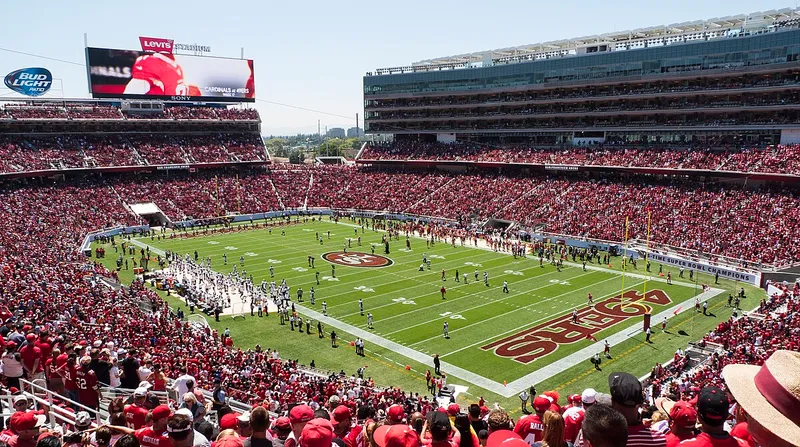
- Levi’s Stadium (Santa Clara): Home of the 49ers, grass conversion plus seating adjustments to roughly 71,000 for the wider pitch. Hosts six matches up to the Round of 32.
- NRG Stadium (Houston): Retractable-roof venue, grass installed, hosting seven matches up to the Round of 16.
- Mercedes-Benz Stadium (Atlanta): The pinwheel-roof venue converted to grass and expanded concourses. Hosts eight matches, including a semifinal on July 15.
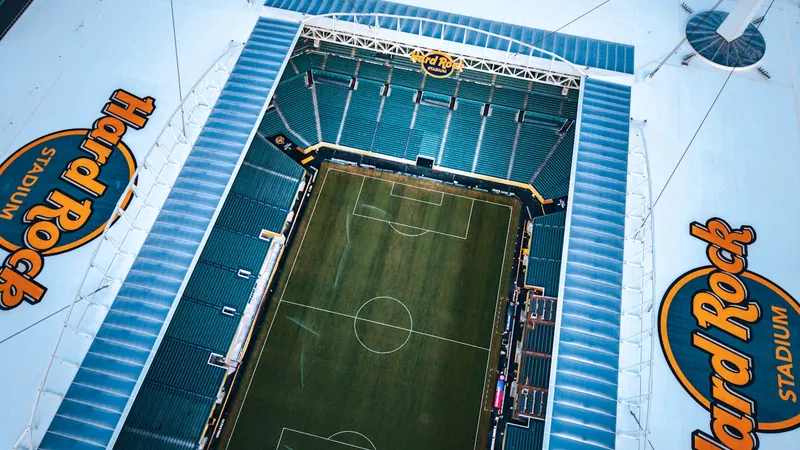
- Hard Rock Stadium (Miami): Real soccer pedigree from the 2024 Copa América and Leagues Cup, added shade structures for the Florida heat. Hosts seven matches plus the third-place game.
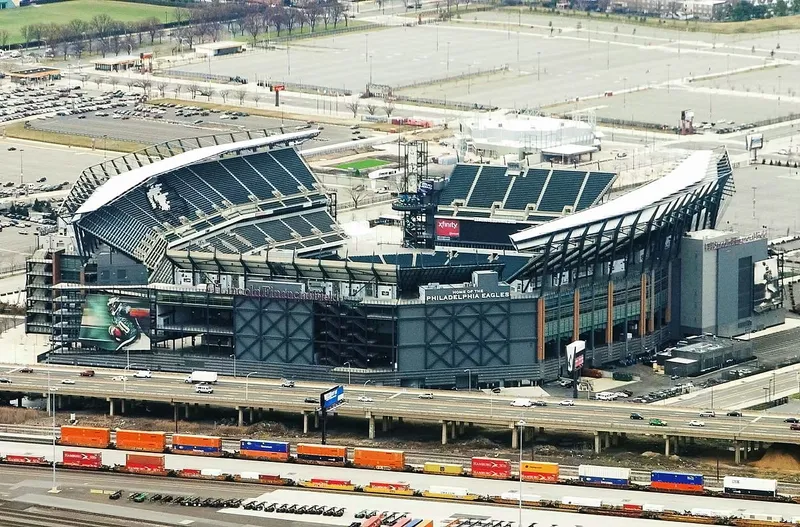
- Lincoln Financial Field (Philadelphia): The Eagles already play on natural grass, so the pitch work was lighter here. Temporary upper-deck seating added. Six matches up to the Round of 16.
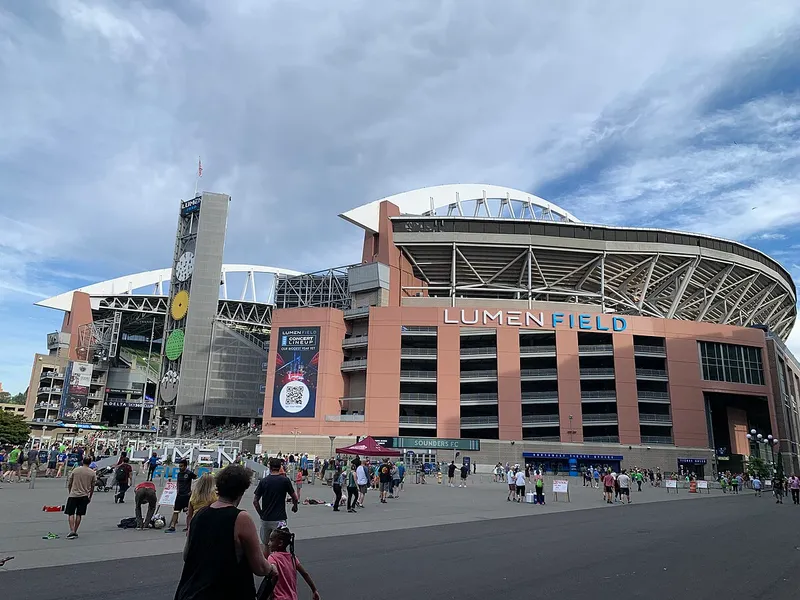
- Lumen Field (Seattle): One of the loudest stadiums in the US, prepared grass trays and expanded media facilities. Six matches up to the Round of 16.
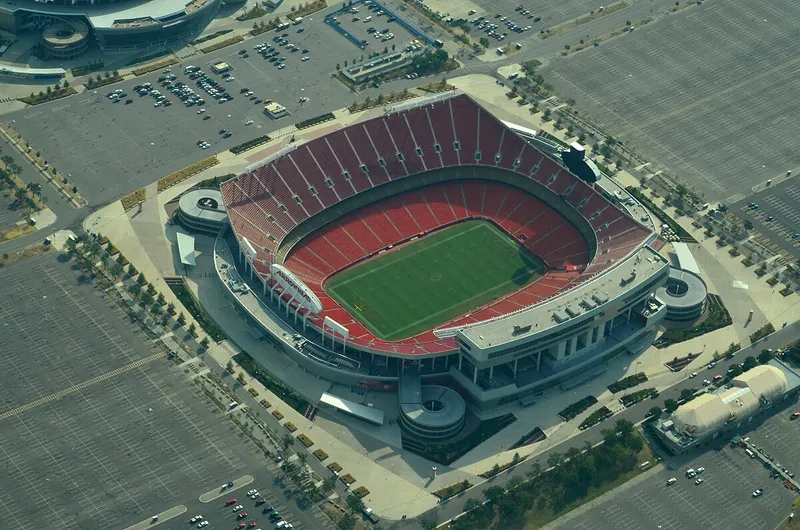
- Arrowhead Stadium (Kansas City): Converted to natural grass for the tournament, hosting six matches including a quarterfinal.
Canada (2 venues):
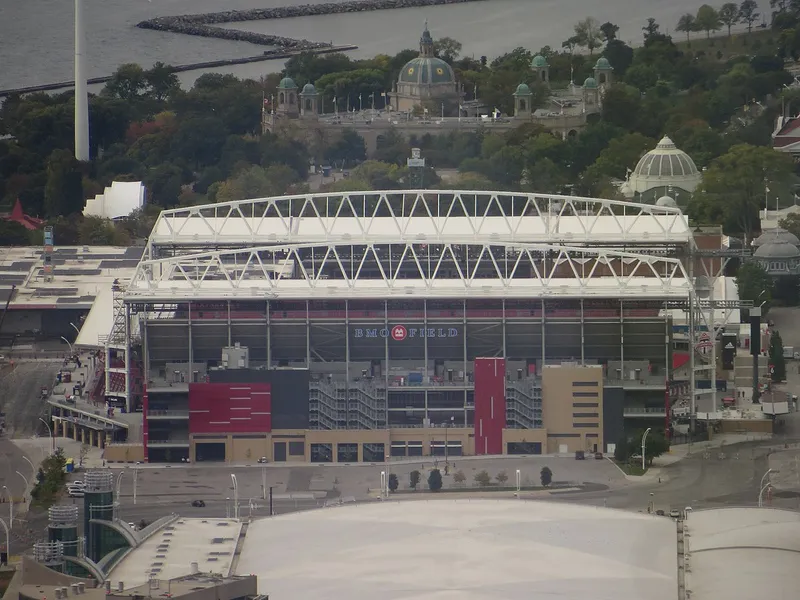
- BMO Field (Toronto): Capacity temporarily expanded from 30,000 to around 45,000 with temporary stands. Already a natural grass pitch. Six matches up to the Round of 32.
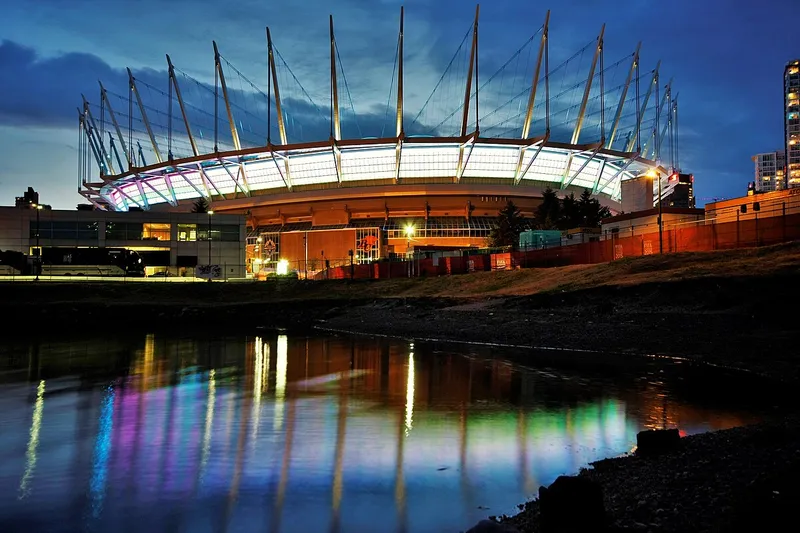
- BC Place (Vancouver): The retractable-roof dome got a full grass conversion, one of the more technically challenging installations of the tournament. Seven matches up to the Round of 16.
Mexico (2 more venues):
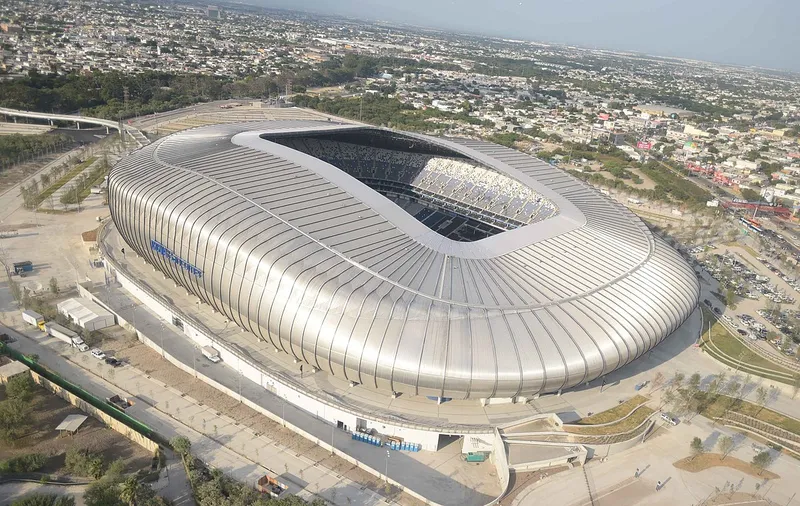
- Estadio BBVA (Monterrey): A modern 53,500-seat venue that already has natural grass, so minimal conversion. Four matches up to the Round of 32.
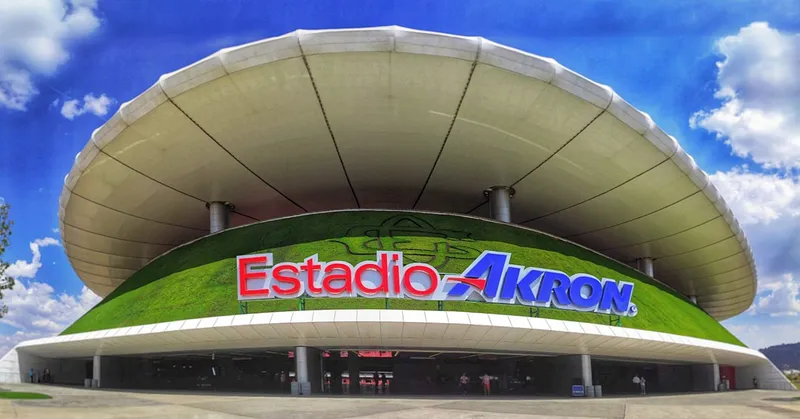
- Estadio Akron (Guadalajara): Home of Chivas, already fitted with natural grass, focused on seating and broadcast upgrades. Four group-stage matches, no knockouts.
The Numbers Behind the Transformation
Step back and the scale is staggering. Across 16 venues and three countries, the total infrastructure investment for the 2026 World Cup is estimated at over $1.5 billion. That covers stadium modifications, transportation upgrades, temporary structures, broadcast infrastructure, security systems, and fan-zone construction.
Eleven of the 16 host stadiums had to convert from artificial turf to natural grass. The five that didn’t already had grass: Estadio Azteca, Estadio BBVA, and Estadio Akron in Mexico, plus BMO Field in Toronto and Lincoln Financial Field in Philadelphia. Each grass installation takes between 7 and 14 days, but the growing and preparation runs months ahead of that.
11 of 16 venues converted from artificial turf to natural grass for the tournament. Each installation took 7 to 14 days, after months of off-site cultivation.
FIFA set a “tournament ready” deadline of May 15, 2026, one month before the opener. That deadline covered far more than the pitch: broadcast wiring, security screening infrastructure, hospitality suites, media centers, and doping-control facilities all had to be signed off.
Then there’s the human element. An estimated 30,000 volunteers are deployed across the 16 venues, with training programs that ran through the spring in all three host countries. Each stadium needs between 1,500 and 3,000 volunteers per match day, handling everything from ticket scanning to wayfinding to first aid.
30,000 volunteers across 16 venues, with each stadium needing 1,500 to 3,000 on match day, from ticket scanning to first aid.
What This Means for Fans
If you’re going to a match (and you should, because a World Cup game live is one of the great experiences in sports), a few practical things are worth keeping in mind.
Arrive early. FIFA’s security screening is more thorough than what you’re used to at NFL or MLS games. Plan to be there at least 90 minutes before kickoff, especially for group-stage matches while the screening process is still being optimized.
Download the app. FIFA’s official tournament app handles real-time transit info, mobile ticketing, stadium maps, and food ordering. The 2022 Qatar app was clunky at launch and improved by the knockout rounds. Expect a similar curve.
Know your transit options. Every host city built temporary transportation networks for the tournament. Check the World Cup 2026 hub for city-by-city transit guides as they publish.
Pack for the weather. A match in Houston (95 degrees, 80 percent humidity) is a different animal from one in Seattle (65 degrees, possible rain) or Mexico City (75 degrees, altitude headaches). Know your venue. Our atmosphere ranking of all 16 stadiums breaks down what each one feels like on a big match day.
The bottom line: these stadiums were transformed at a pace and scale that’s genuinely unprecedented. Eleven new grass pitches. Hundreds of millions in upgrades. A tournament spread across a continent. The concrete is set, the grass is down, and the countdown is measured in days now, not months.
Sources
- FIFA — World Cup 2026 Host Cities — Official host city profiles and venue details
- FIFA — Match Schedule and Fixtures — Complete match assignments by venue
- AP News — World Cup 2026 Stadium Updates — Construction progress and grass conversion reporting
- ABC News — 2026 World Cup final at MetLife Stadium — Match allocation, semifinal and quarterfinal venues, host-venue match counts
- SoFi Stadium — FIFA World Cup 26 — SoFi capacity, grass installation, and match details
- Wikipedia — 2026 FIFA World Cup — Venue capacities, grass conversions, and match distribution
- FOX Sports — FIFA World Cup 2026 Host Cities and Stadiums — Venue overviews and capacity details