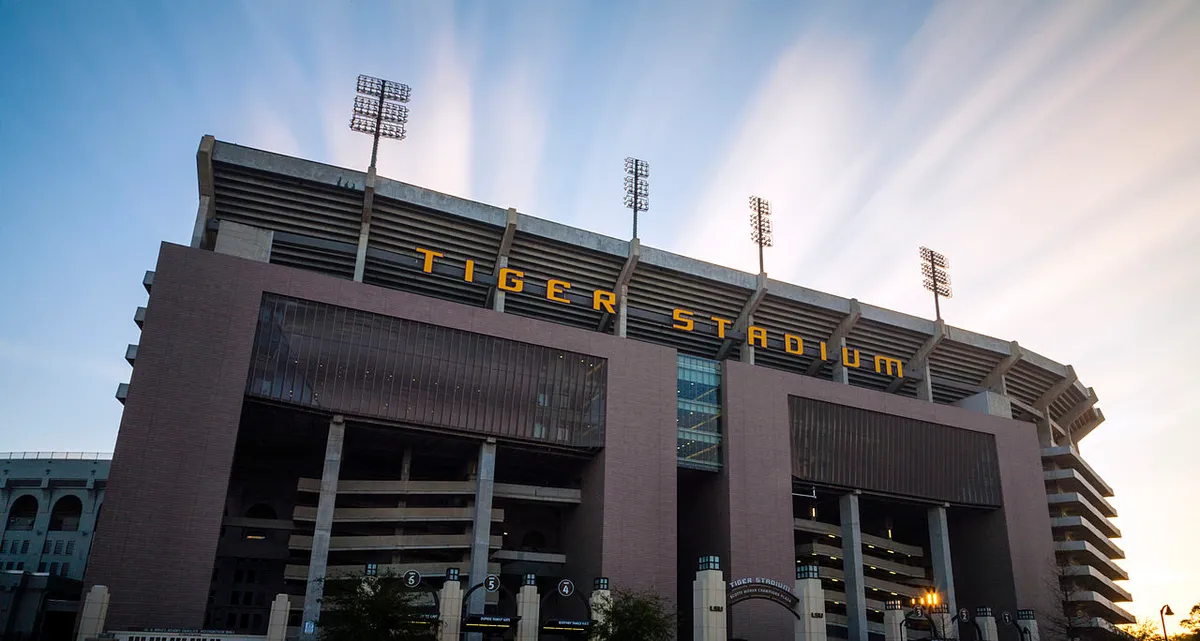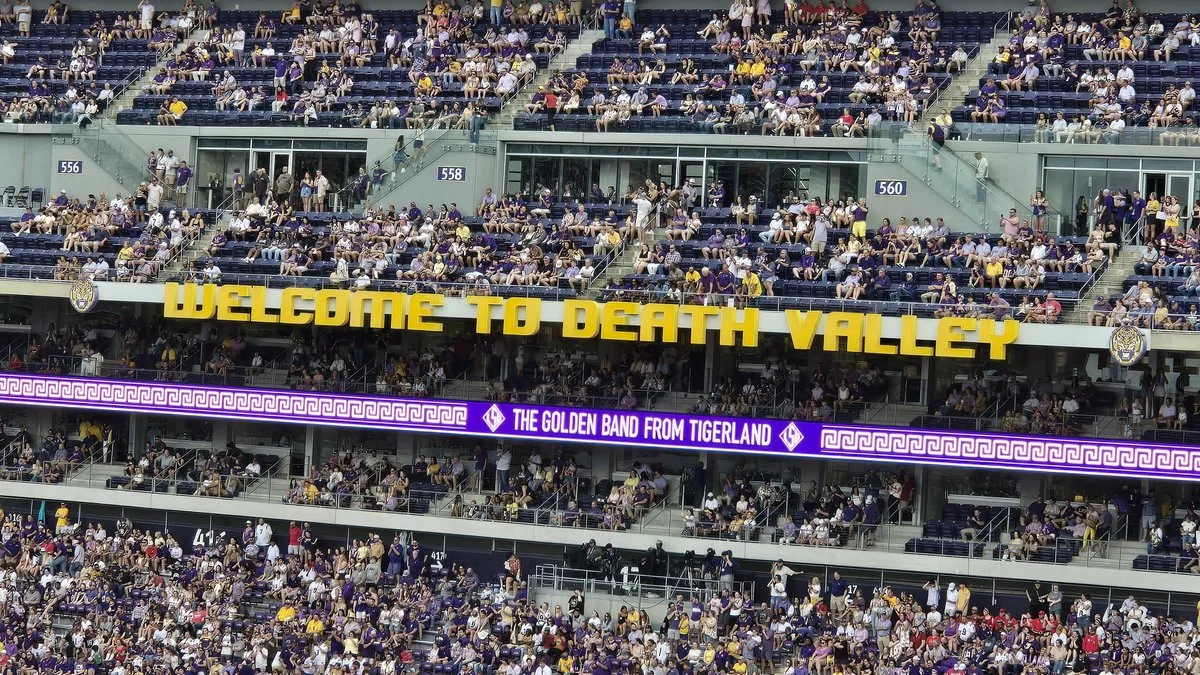
Lightning held the kickoff back nearly two hours. The crowd scattered for cover, and then 102,321 people came back and filled Tiger Stadium anyway, under the gold WELCOME TO DEATH VALLEY sign. It was September 5, 2026, and Clemson was the visitor. Their players were standing in a stadium named, in a roundabout way, after their own.
LSU’s fans took the name from Clemson in 1959, and the two schools had never played in each other’s Death Valley until 2025. LSU won both games: 17-10 at Clemson on August 30, 2025, and 51-10 at Tiger Stadium on the day of the lightning. The borrower has now beaten the original owner in both buildings that carry the name.
| Nickname | Stadium | Seats | Where the name came from |
|---|---|---|---|
| Death Valley | Memorial Stadium, Clemson | 81,500 | A rival coach, late 1940s |
| Death Valley | Tiger Stadium, LSU | 102,321 | Taken from Clemson after the 1959 Sugar Bowl |
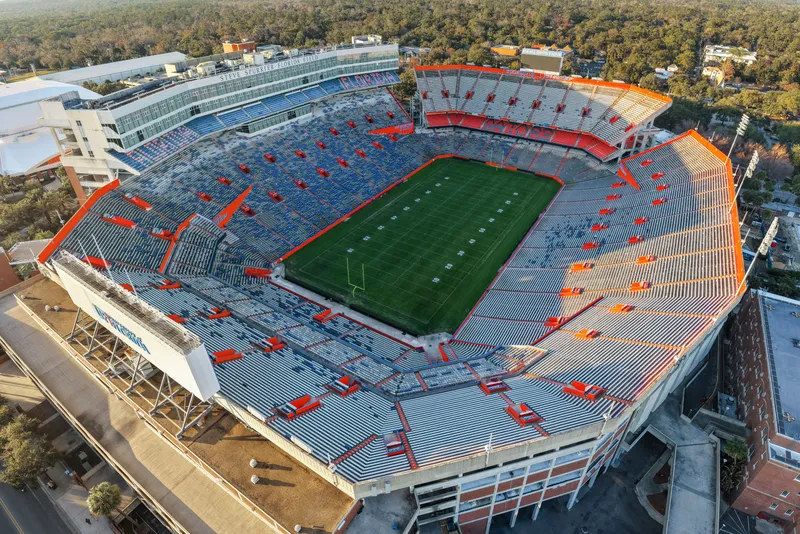
| The Swamp | Ben Hill Griffin Stadium, Florida | 88,548 | Steve Spurrier’s pitch to a columnist, 1992 |
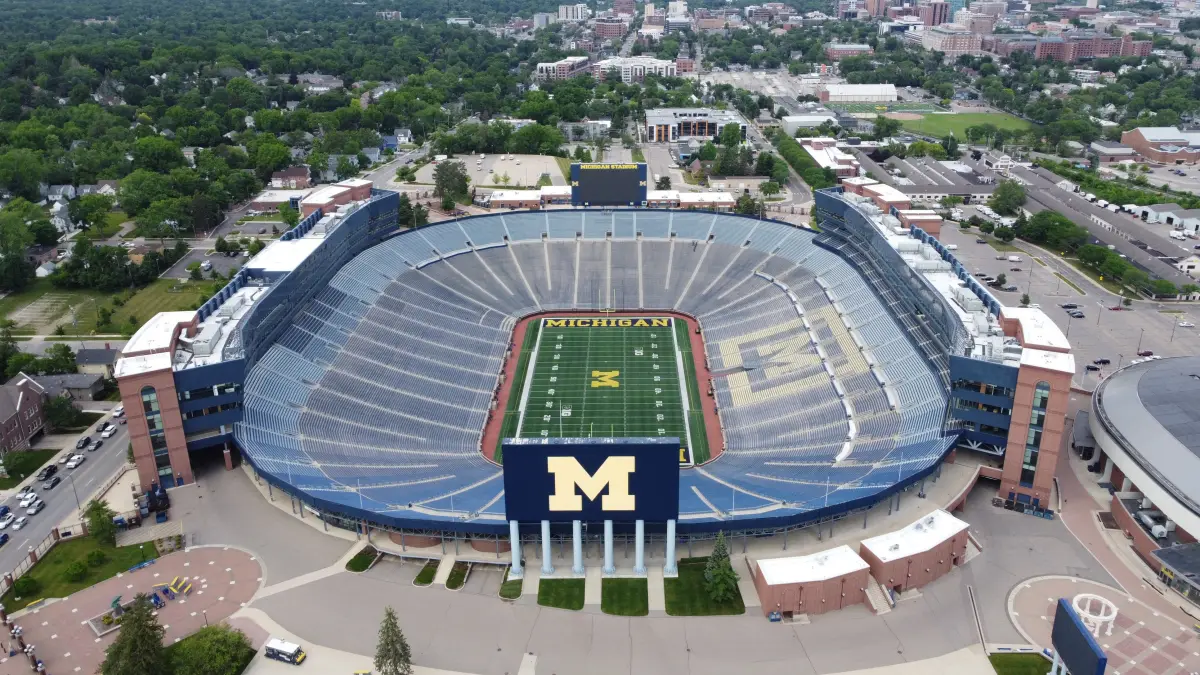
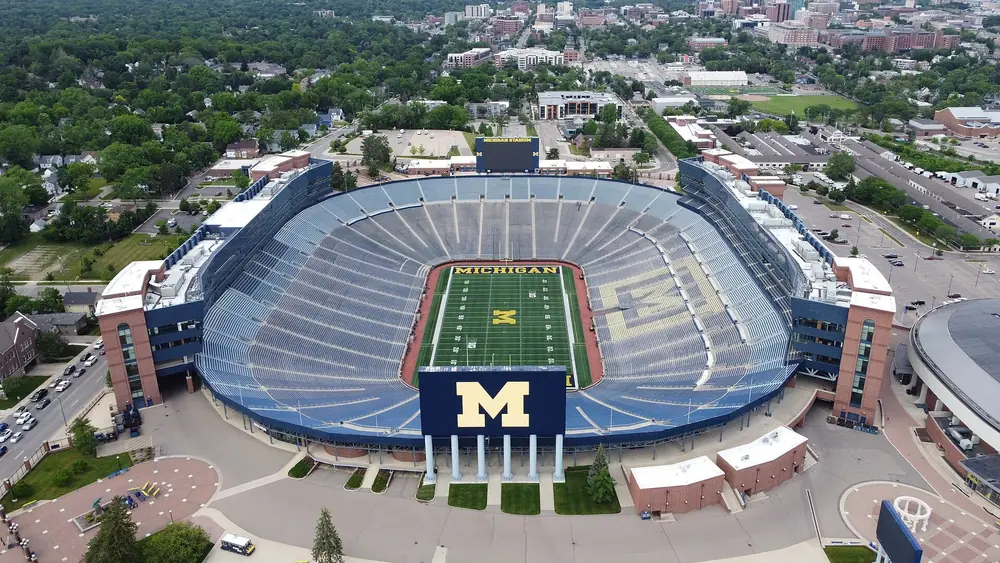
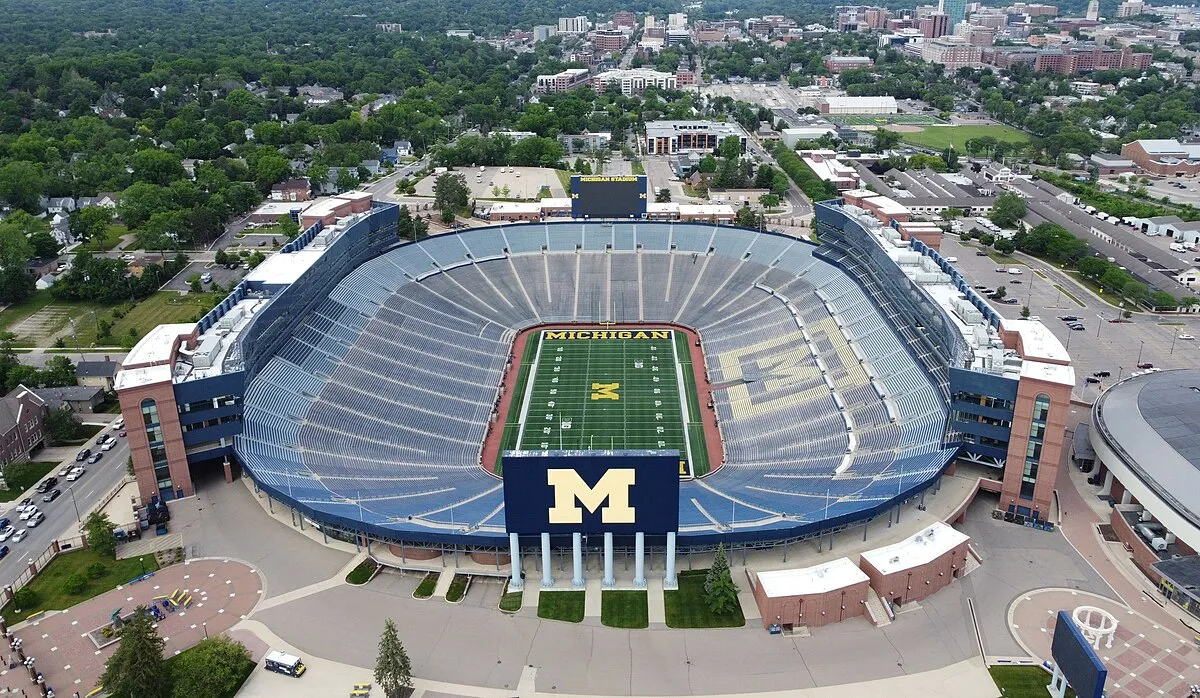
| The Big House | Michigan Stadium | 107,601 | Its size; popularized by Keith Jackson, mid-1980s |
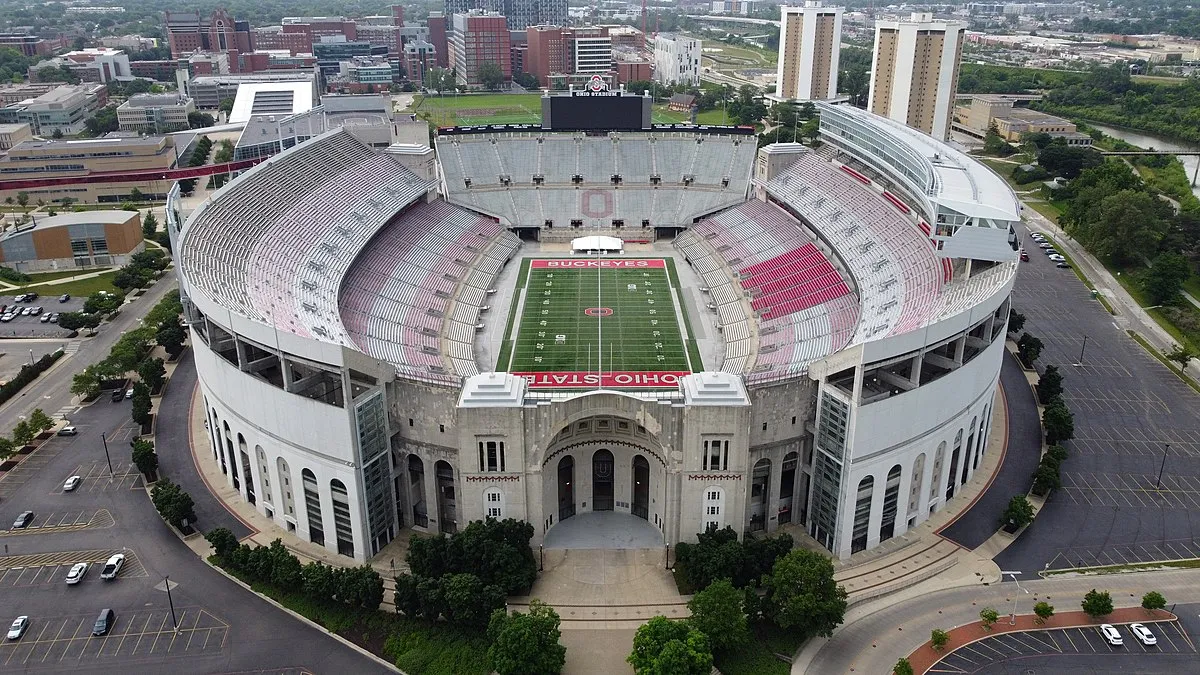
| The Horseshoe | Ohio Stadium | 102,780 | Its shape, open at one end since 1922 |
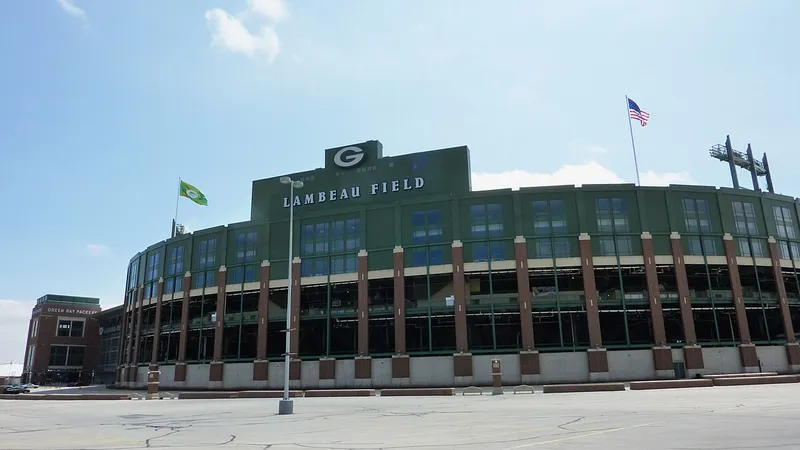
| The Frozen Tundra | Lambeau Field | 81,441 | An NFL Films script for the 1967 Ice Bowl |
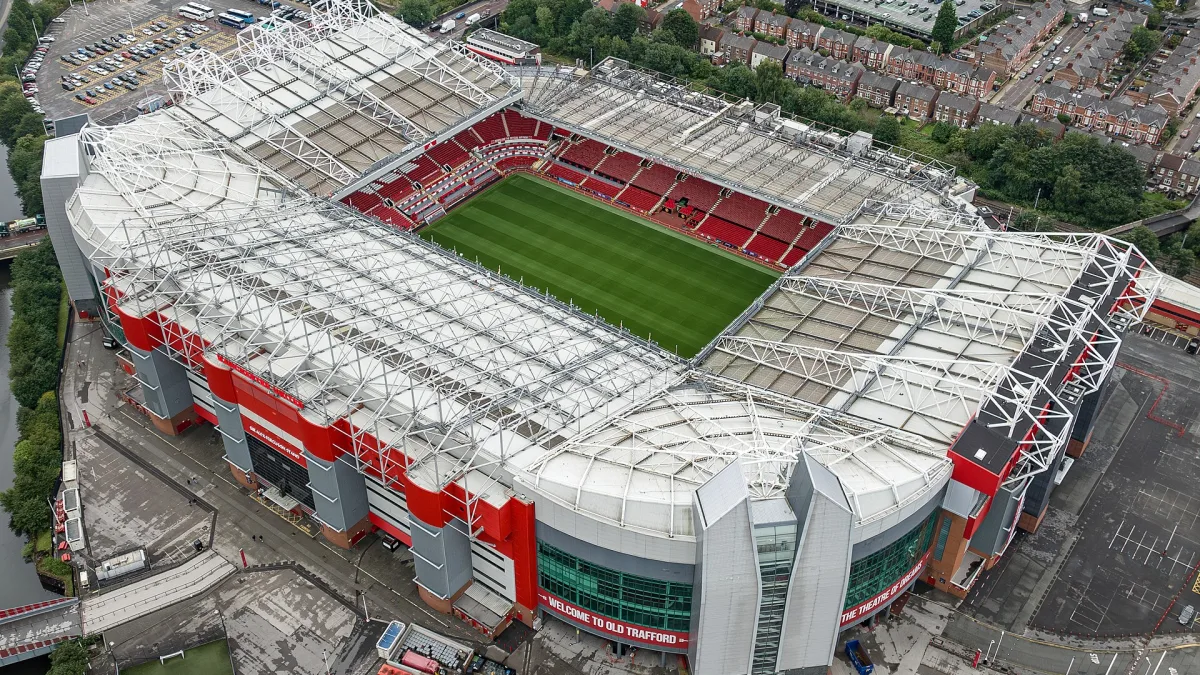
| Theatre of Dreams | Old Trafford | 74,158 | Sir Bobby Charlton |
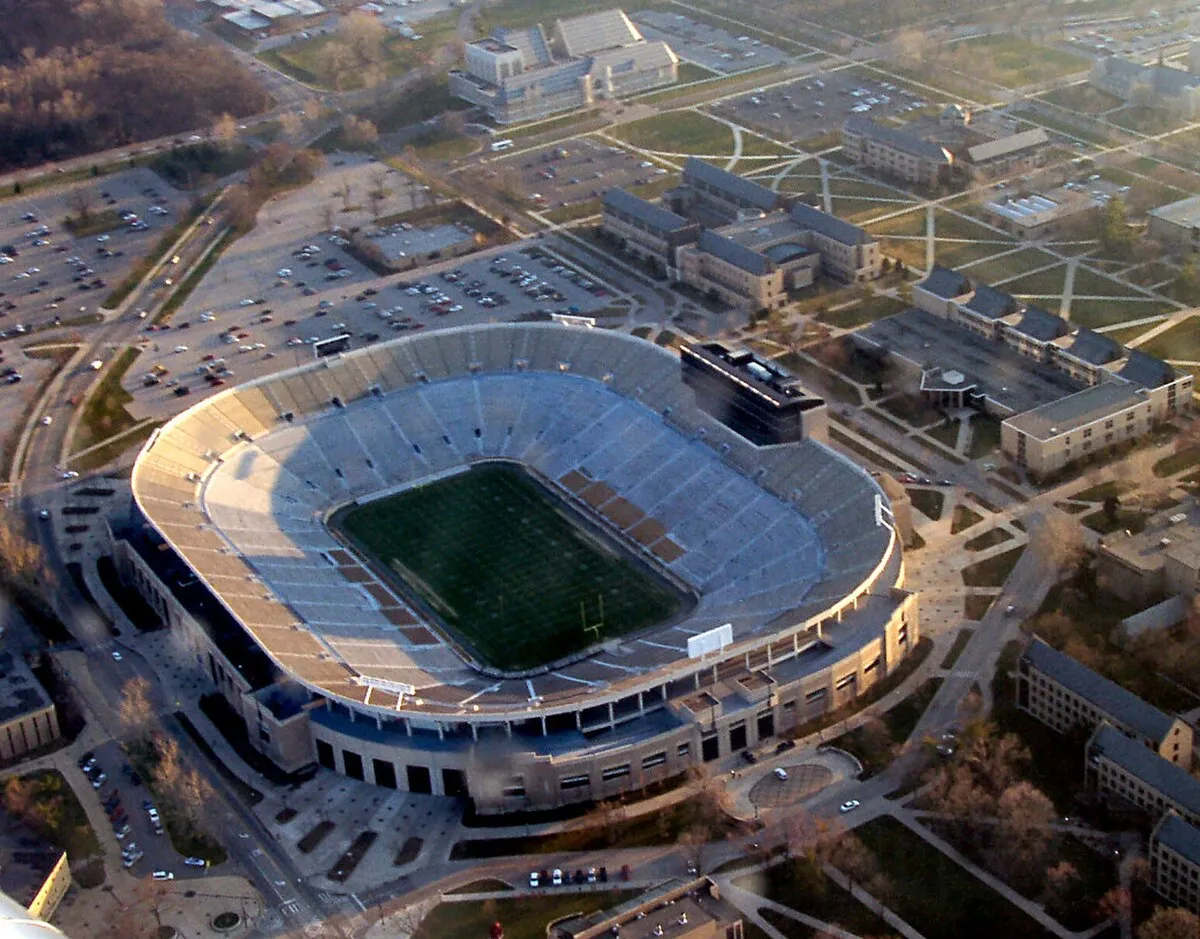
| The House That Rockne Built | Notre Dame Stadium | 77,622 | Knute Rockne’s hand in the design |
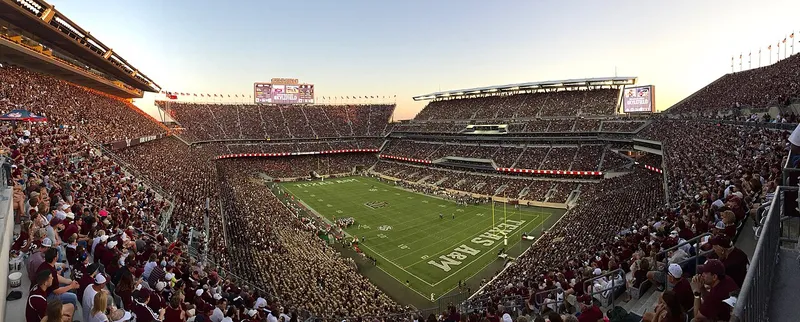
| Home of the 12th Man | Kyle Field, Texas A&M | 102,733 | E. King Gill, 1922 |
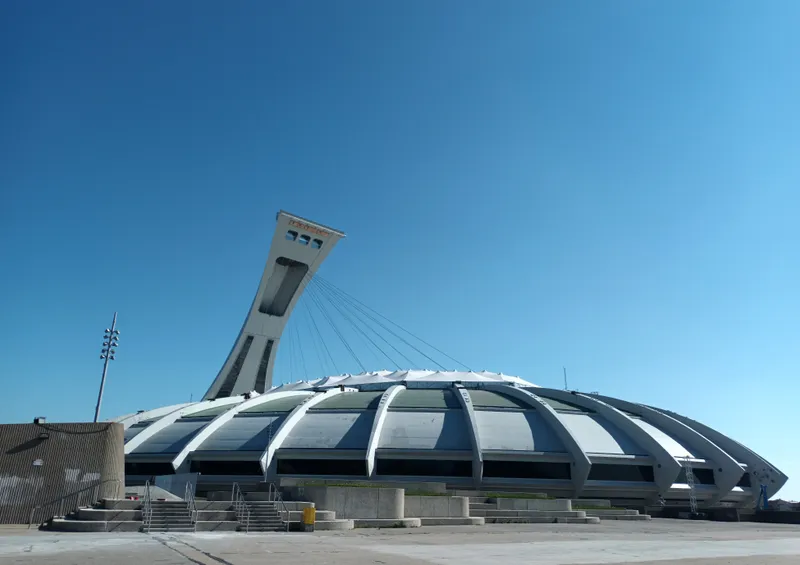
| The Big Owe | Olympic Stadium, Montreal | 56,000 | Its debt, paid off in 2006 |
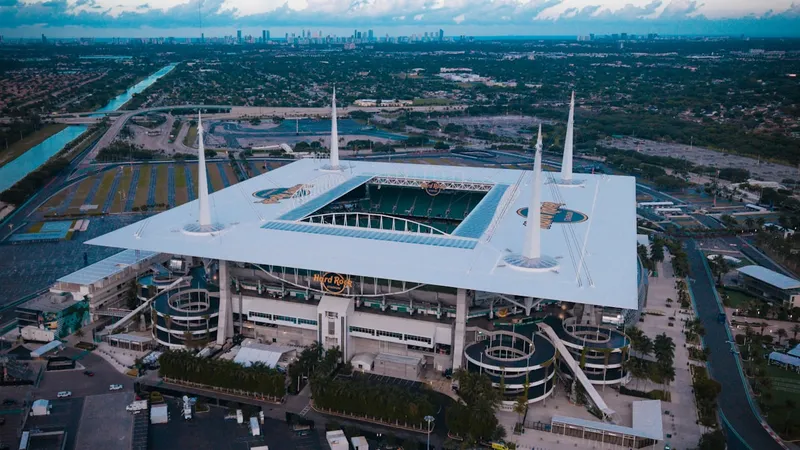
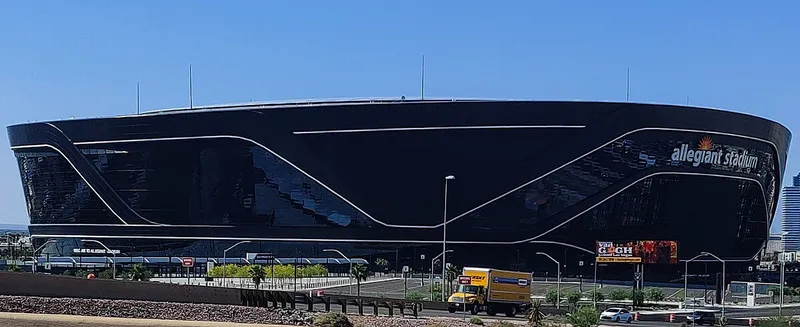
| The Death Star | Allegiant Stadium, Las Vegas | 65,000 | Fans on social media; the owner signed on |
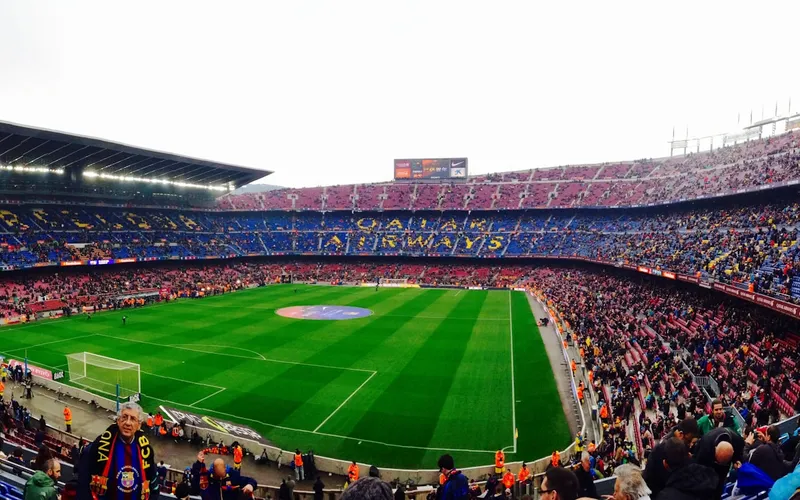
| Camp Nou | Camp Nou, Barcelona | under renovation | Fans’ “new ground”, official since 2001 |
Read down the last column. A rival coach. A film script. A debt. Fans with phones. Fewer than half of these names came from the people who own the building, and at least one survived a direct attempt to kill it.
The stories are in who said it and why it stuck, and they run through a gas station that shook on game days and a members’ vote in Barcelona. They also run through Green Bay, where the Packers’ own film of the Ice Bowl never says “frozen tundra.” Somebody else’s does.
Two Death Valleys, and who had it first
Clemson got there first, and even LSU’s own side admits it.
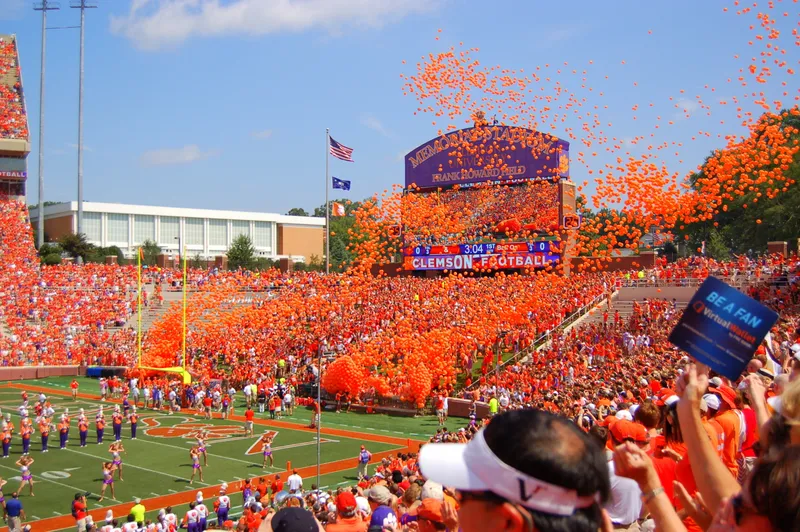
The name came from the losing sideline. Lonnie McMillian, head coach at Presbyterian College, brought his teams to Clemson year after year, got whipped, and in the late 1940s tagged the place Death Valley. Clemson’s own telling is brisk: “A few years later, the name stuck.” It had help. Coach Frank Howard began using it in the 1950s and kept telling the story until it took. A visitor supplied the insult, and the home coach did the marketing.
Howard even got a prop. He was given a chunk of rock from Death Valley, California, and used it as an office doorstop before it went atop The Hill, where it debuted on September 6, 1966. Its pedestal reads “From Death Valley, CA to Death Valley, SC.” The stadium’s own sign says “Clemson Welcomes You To Death Valley.”
LSU’s claim is younger, and it came by conquest. On January 1, 1959, LSU beat Clemson 7-0 in the Sugar Bowl and won its first national championship. Afterward its fans started calling Tiger Stadium Death Valley, a name lifted from the team they’d beaten.
But a second name ran alongside it. Thurman “Crowe” Peele, an LSU boxer and the 1955 NCAA heavyweight champion, opened a gas station within shouting distance of the stadium in the 1960s. Game-day noise shook its walls and rattled the glass, so he called it “Deaf Valley.” Most LSU fans were still saying Deaf Valley through the 1970s and ’80s, and one theory holds that in a Cajun accent “deaf” and “death” sound nearly the same anyway. What pushed “Death” over the top was a poem, “Saturday Night in Death Valley,” written in 2011 by PA announcer Dan Borne and read over the PA before games.
Deaf had the better evidence. On October 8, 1988, LSU beat Auburn 7-6 in the Earthquake Game, and the crowd’s reaction registered on a seismograph, which is why Tiger Stadium turns up in our look at the loudest college football stadiums. Death had the better story.
7-0 LSU’s Sugar Bowl win over Clemson on January 1, 1959, the game that gave Baton Rouge its Death Valley.
ESPN found no real argument over which school used Death Valley first. The verdict from inside LSU is blunter. Bud Johnson, LSU’s sports information director from 1966 to 1971, on who had it first: “I’m an LSU fan, but I side with Clemson.”
The Swamp and the names coined on purpose
Sometimes a nickname is a pitch, and Steve Spurrier made the best one.
Two seasons in as coach of the Florida Gators, he called Mike Bianchi, a columnist at the Gainesville Sun, with a name for the stadium. The column ran on June 9, 1992, and Spurrier’s case was short: “The ‘Swamp’ is where Gators live. We feel comfortable there, but we hope our opponents feel tentative. A swamp is hot and sticky and can be dangerous.”
The Swamp was no impulse. He’d worked through nickname ideas that offseason with Norm Carlson, and the 1992 UF media guide was the first to use it.
Why did a coach’s slogan take? Because he was describing the building. The field at Ben Hill Griffin Stadium sits below the surrounding ground, which traps heat and noise around 88,548 seats. Hot and sticky was already the weather report. Spurrier gave the fans a word for it.
Old Trafford’s nickname has an author too, though the club’s own history leaves him out. FIFA credits Sir Bobby Charlton with the line, from John Riley’s book Soccer: “This is Manchester United football club, this is the theatre of dreams.” Manchester United itself says only that Old Trafford, which opened in 1910, is “commonly known as” the Theatre of Dreams. The phrase is up in lights on the East Stand. The club leaves the credit to others.
Las Vegas ran it in reverse. As Allegiant Stadium’s black exterior went up, fans on social media started calling it the Death Star. In 2020, the year the 65,000-seat building opened, owner Mark Davis called it that himself, and the name stuck: “Welcome to the Death Star, where our opponent’s dreams come to die.”
That sounds like an owner’s coinage. It was a co-sign. The fans had the name before Davis did, which is the pattern with the deliberate ones: they work when they name something the crowd already knows.
Named for the shape: the Horseshoe, the Big House, the Jewel
The plainest nicknames are the hardest to argue with, because you can see them from the parking lot.
Ohio Stadium opened in 1922, and architect Howard Dwight Smith had drawn it as a horseshoe. More than a century later the south end is still open and 102,780 seats bend around the rest. Nobody had to sell that name. The school’s own page trims it to “The Shoe.”
In Jeddah, King Abdullah Sports City is Al-Jawhara, “the jewel,” and sometimes the shining jewel. The 62,345-seat stadium opened in 2014, and its cladding makes the case: a diamond lattice drawn from the rawashin, the carved window screens of old Jeddah.
Mexico has two variations. Estadio Azteca, opened in 1966 with 87,523 seats, is El Coloso de Santa Úrsula, after its location on the former communal lands of Santa Úrsula Coapa in the south of Mexico City. That’s a nickname doing the job of a street address. The Estadio Universitario, the 42,000-seat home of Tigres near Monterrey, opened in 1967 and goes by El Volcán, which describes the crowd instead of the concrete. Roberto Hernández Junior, known as Don Rober, gave it the name: to him, a Tigres goal set off a celebration like a volcanic eruption.
Then there’s Michigan Stadium, which opened in 1927 and holds 107,601. You’d think a name like the Big House would come with a christening story. The university’s own history offers this much: in the mid-1980s the name became widely associated with the stadium, and ABC announcer Keith Jackson is credited with popularizing it.
Popularizing, mind you, not coining. If anyone coined it, Michigan doesn’t say who. The name describes the building, and that seems to have been enough.
Named for a person
The surest way into a stadium’s nickname is to fill the place.
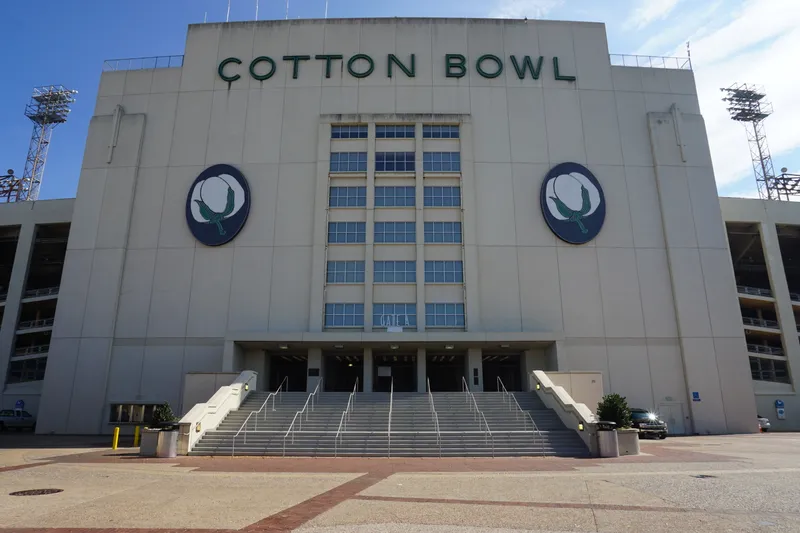
Doak Walker did it at the Cotton Bowl. He drew such crowds in the late 1940s that SMU moved its games there, and the stadium, opened in 1930, had to grow to hold them. It seats 92,100 today, and a plaque records who’s responsible: “The Cotton Bowl, the House that Doak Built.”
Notre Dame’s version is closer to literal. “The House That Rockne Built” is the school’s own phrase, and Knute Rockne did take a personal hand in the design, patterned on a smaller scale after Michigan’s stadium. The 77,622-seat stadium’s opening game, on October 4, 1930, was a 20-14 win over SMU. Rockne died in a plane crash on March 31, 1931. He got one season in the house he built.
Or you can get there without playing. On January 2, 1922, at the Dixie Classic, Texas A&M called E. King Gill down from the press box to suit up. He stood ready to play the whole game, in case the 11 men on the field needed help, and never went in. A&M won 22-14, and the man on the sideline became the 12th Man. Kyle Field, all 102,733 seats of it, is his home now. Walker filled a stadium. Gill filled a uniform, and that was enough.
37,000 Roughly how many Texas A&M students stand for every home game, because one man stood for one in 1922.
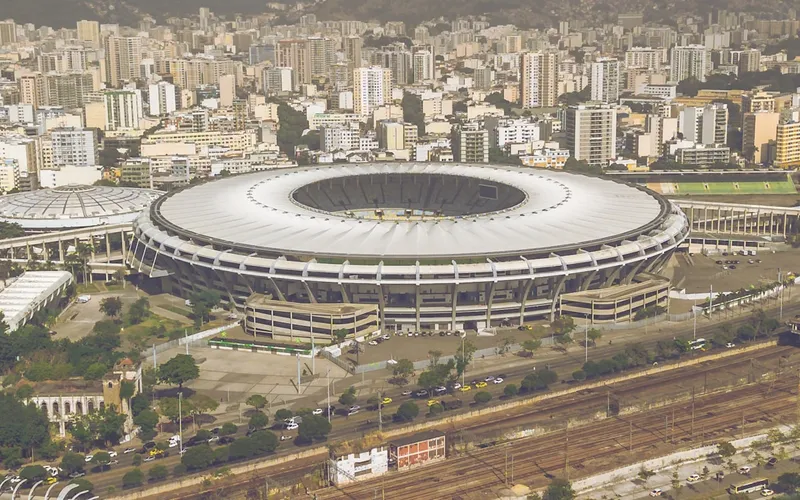
Sometimes the person loses. The official name of Rio’s 73,139-seat stadium is Estádio Jornalista Mário Filho, given in 1966, a month after the journalist’s death. In 2021, Rio’s state assembly passed a bill renaming it “Estádio Edson Arantes do Nascimento - Rei Pelé,” and Governor Cláudio Castro vetoed it on April 8. Since it opened in 1950, though, everyone has just called it Maracanã. A person can be the official name and still lose to the nickname.
The names the owners didn’t want
The phrase everyone attaches to Lambeau Field was censored by Vince Lombardi.
Steve Sabol of NFL Films coined “the frozen tundra” in his script for the Ice Bowl, the 1967 NFL Championship between the Packers and the Cowboys, played at minus-13°F. Lombardi kept it out of the Packers’ highlight film. Sabol’s explanation: Lombardi was embarrassed that the $200,000 field-heating system he’d pushed for didn’t work. So Sabol changed the line to “the ice-bucket chill of a Wisconsin winter.”
The Cowboys had no such feelings to protect. They insisted on keeping “frozen tundra” in their version, narrated by Frank Glieber, and used it twice. John Facenda, the voice most people associate with the phrase, didn’t say it on film until five years later. Lambeau Field’s nickname was kept alive by the team that lost the game. Today 34 miles of radiant heating pipe run under the turf of the 81,441-seat stadium, which opened in 1957. The ground got fixed. The name stayed frozen.
Montreal’s Olympic Stadium was the Big O, and because of what it cost, the Big Owe. The $1.5 billion debt was paid through a special tax on tobacco, and the last payment came in mid-November 2006, thirty years after the 1976 Games. Smokers paid for the building. The joke was free.
$1.5 billion The debt behind the “Big Owe,” paid off in mid-November 2006 through a special tax on tobacco.
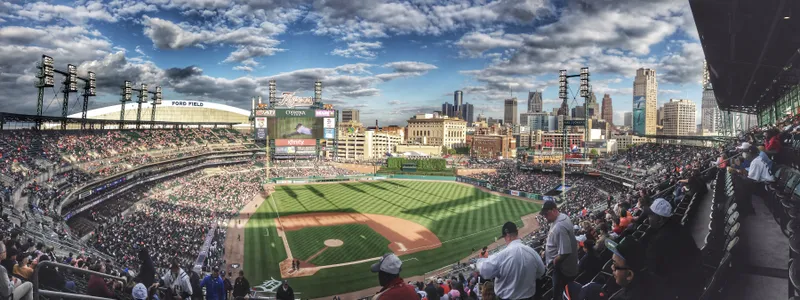
Hitters hold grudges against fences. With 420 feet to straightaway center at Comerica Park, they called the deep outfield Comerica National Park, a name credited to outfielder Bobby Higginson. The fence has come in since.
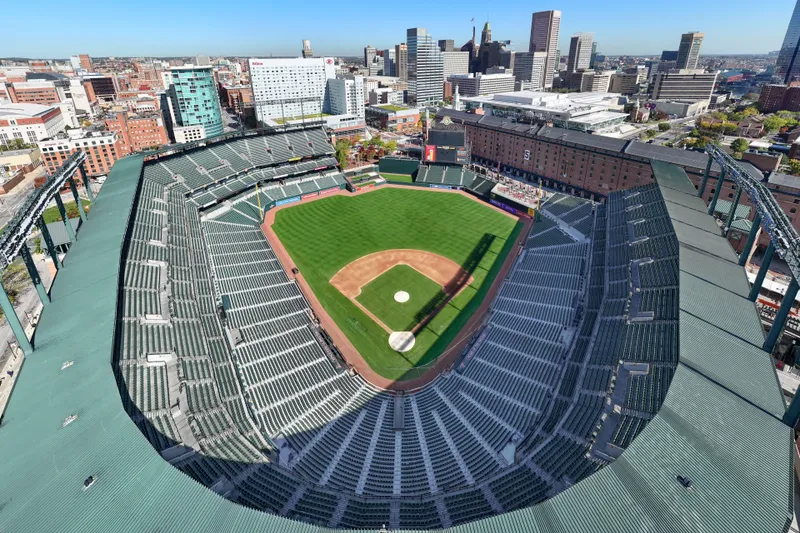
Baltimore is the cleanest case, because the Orioles built the insult themselves. For 2022 they pushed Camden Yards’ left-field wall back 26 1/2 feet and raised it from 7 feet 4 inches to 13 feet. The hitters named it Walltimore. General manager Mike Elias called the 2022 change an overcorrection, and for 2025 the wall came back in, by up to 20 feet in spots. In November 2024, MLB’s own site put it this way: “The era of ‘Walltimore’ at Camden Yards in Baltimore is over.” The team had to move the wall to get rid of the name.
When the nickname beats the name on the gate
Barcelona’s stadium spent 44 years, by our count, officially called something nobody said.
When it opened in 1957, the board chose “Estadio del FC Barcelona.” The fans called it the “new ground,” Camp Nou, to tell it from the old Les Corts stadium. A 1965 members’ vote made a club name official, “but the popular name remained Camp Nou,” in the club’s own words. Then, in April 2001, 29,102 members voted and 68.25% chose Camp Nou as the official name, a result announced at the General Assembly on July 23, 2001. The club had finally conceded.
44 years From the fans’ “new ground” in 1957 to Camp Nou as Barcelona’s official name in 2001.
Since July 2022 it’s been Spotify Camp Nou, a stadium naming rights deal that runs until 2034. Look at what the sponsor bought: a spot in front of the fans’ name, and no more.
The name travels, too. In Mexico, Estadio León is officially Estadio León, and everyone calls it the Nou Camp. That came from José Serra Sala, a Catalan Barcelona fan who was on the club’s board when the stadium opened in 1967. It’s a borrowed nickname, borrowed from a nickname.
Mazatlán ran the same contest faster. On July 7, 2020, the club announced “El Kraken” as the nickname for its new stadium, whose official name was Estadio de Mazatlán. From October 25, 2023, it became Estadio El Encanto, for five years, after a Sinaloa real estate developer. The older nickname stuck harder than the sponsor’s. And where fans can’t replace a sponsor’s name, they sand it down. Lincoln Financial Field is universally known as “The Linc,” a corporate name worn by use until it fits in the mouth.
So where do stadium nicknames come from? Five places. A rival, like the Presbyterian coach who got tired of losing at Clemson. A complaint, like the Big Owe. The shape of the building. A person, whether he filled the place or never got into the game. And, rarely, a deliberate pitch.
Who names it matters less than who keeps saying it. The people in charge can’t stop a name the crowd likes; Lombardi tried, and the phrase got out through the other team’s film. Sponsors can’t buy over one, as the Kraken in Mazatlán and the fans’ new ground in Barcelona both show. A coach can coin one, but only when it describes something fans already feel, which is what Spurrier understood about a sunken field in Florida.
And the crowd doesn’t always agree on the word. For decades a lot of LSU fans were saying Deaf, and it took the man on the PA, reading a poem, to settle it on Death. In the end the name belongs to whoever is still shouting it. That’s why 102,321 people could sit down under a gold sign on a stormy September night, in a valley whose name started with a losing coach from another state, and feel completely at home.
Sources
The capacities, opening years and several stadium details, including FIFA’s credit to Charlton for the Theatre of Dreams, come from our own stadium pages, linked in the text and table, which carry their own citations.
- The two Death Valleys: Clemson Athletics on Death Valley, Clemson’s program story on the two Death Valleys, ESPN on which is the real one, College Football Hall of Fame on Deaf Valley, theScore on LSU’s 2025 win at Clemson, ESPN’s recap of the 2026 game. Who named each, the gas station, and the two games.
- The Swamp: Florida Gators on the column that named it, Florida Gators on the 1992 media guide. Spurrier’s pitch, the quote and the first use.
- Sam Farmer on the frozen tundra, Los Angeles Times. Sabol, Lombardi’s cut and the Cowboys’ film.
- The Death Star: AP via the Globe and Mail, Bleacher Report on Mark Davis, the Las Vegas Review-Journal on the stadium. The fans’ coinage, Davis adopting it, and his quote.
- Named for a person: SMU on Doak Walker, Texas A&M on the 12th Man. The Doak plaque and E. King Gill.
- Maracanã: Trivela on the 1966 naming, Agência Brasil on the 2021 veto. Mário Filho’s name and the Pelé bill.
- CBC on the end of the Big Owe debt. The $1.5 billion, the tobacco tax and the final payment.
- Walltimore and Comerica: MLB on the 2022 wall, MLB on the 2025 change, MLB on Comerica Park’s dimensions. The measurements and the names.
- Camp Nou: FC Barcelona on the members’ votes, FC Barcelona on the Spotify deal, FC Barcelona on the deal running to 2034. The 1965 and 2001 votes and the naming rights.
- Mexico: El Imparcial on León’s Nou Camp, Mediotiempo on El Encanto, Mediotiempo on El Volcán, Claro Sports on the Azteca’s names. Who named each and when.
Hero photo: Tiger Stadium (LSU), Welcome to Death Valley, by Spatms, CC BY-SA 4.0.
Facts were cross-referenced across at least two sources wherever possible. Where accounts of a nickname’s origin disagree, as on the year Clemson’s name first appeared and the order of LSU’s two names, we give the version the primary sources support and leave out the dates they don’t settle.