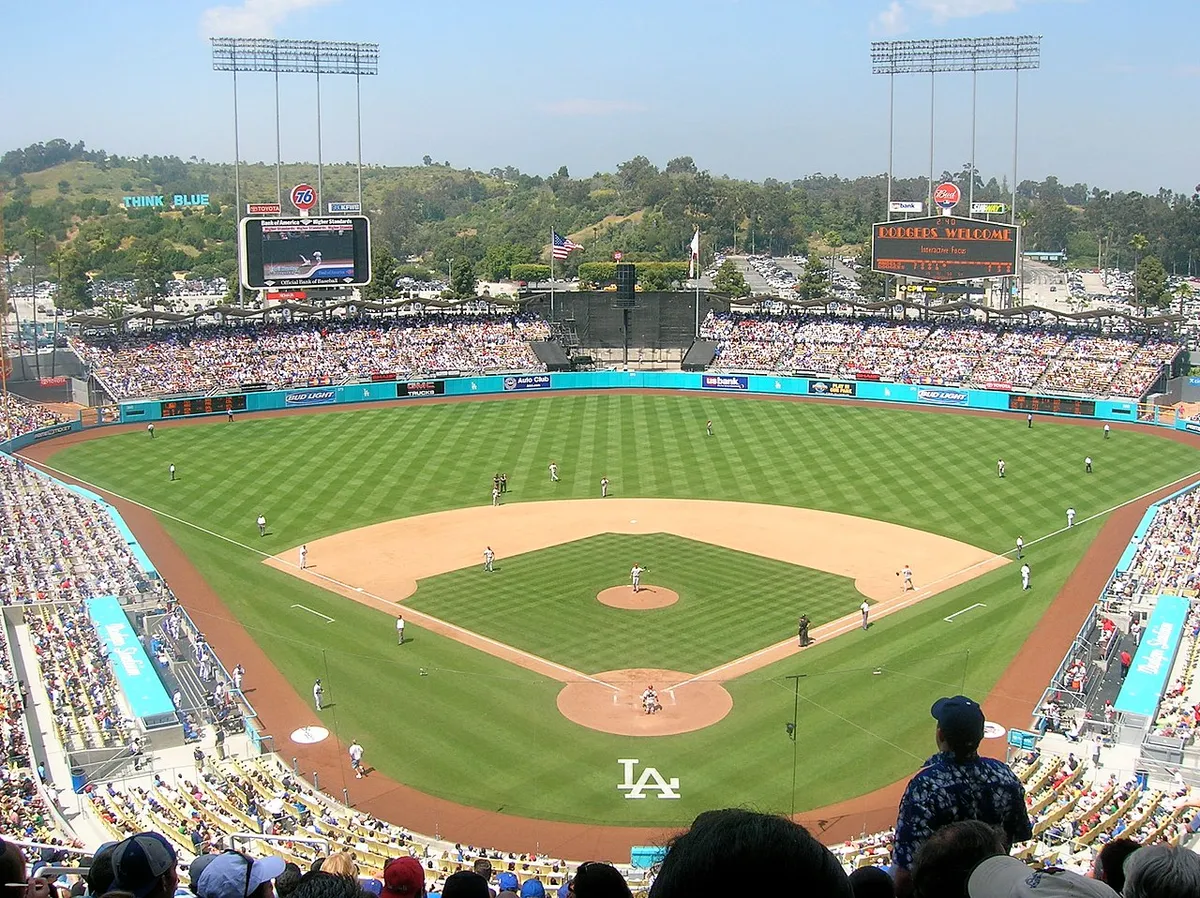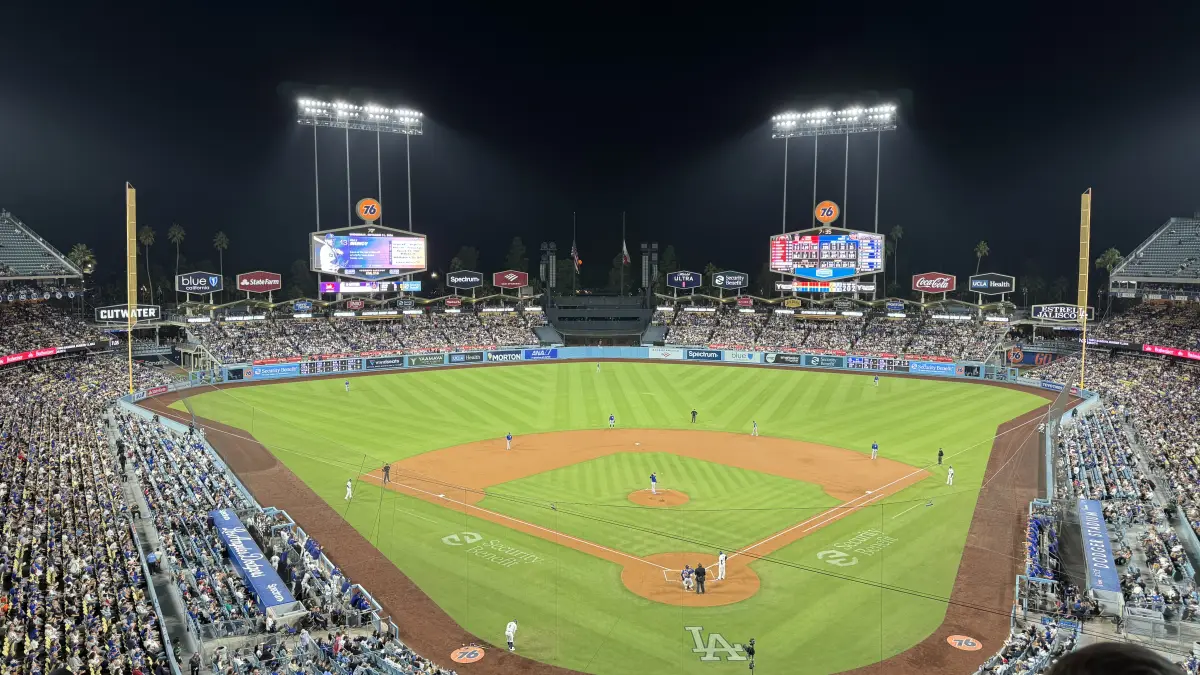
Dodger Stadium holds 56,000 people. That makes it the biggest ballpark in Major League Baseball, and it leads second place by more than 7,000 seats. It’s also one of the oldest parks in the sport, which is a rare combination: the biggest and nearly the oldest at once.
The gap runs deeper than one team’s stadium. The largest ballpark in baseball is smaller than the smallest stadium in the NFL, every one of them. MetLife Stadium, the biggest in pro football, seats 82,500. The biggest college football stadium tops 107,000. Baseball’s giant tops out at 56,000, and most of the league sits closer to 41,000. That gap isn’t an accident. It comes down to the schedule.
56,000 is the capacity of Dodger Stadium, the largest ballpark in Major League Baseball, unchanged for decades.
The biggest MLB ballparks, ranked by capacity
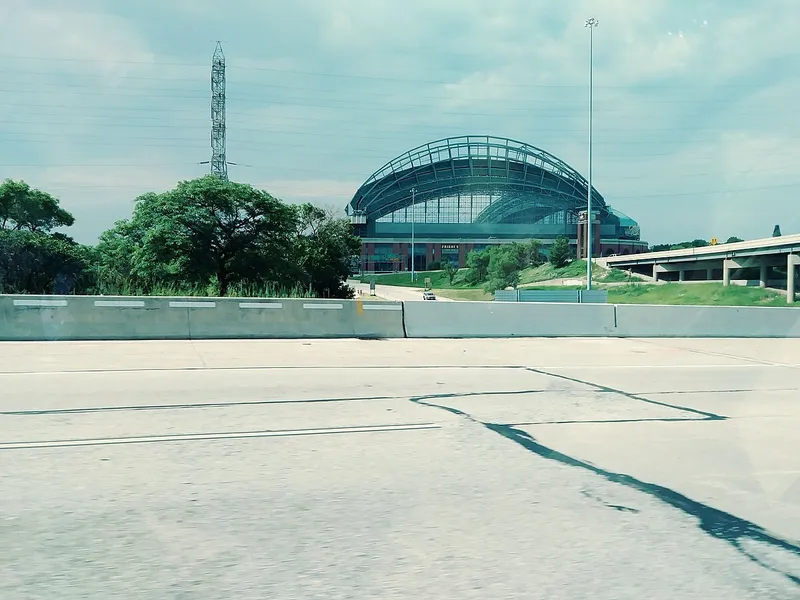
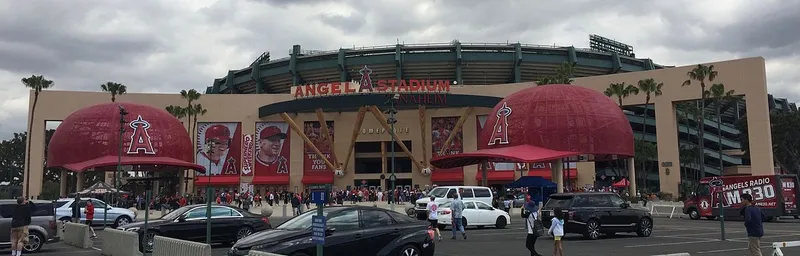
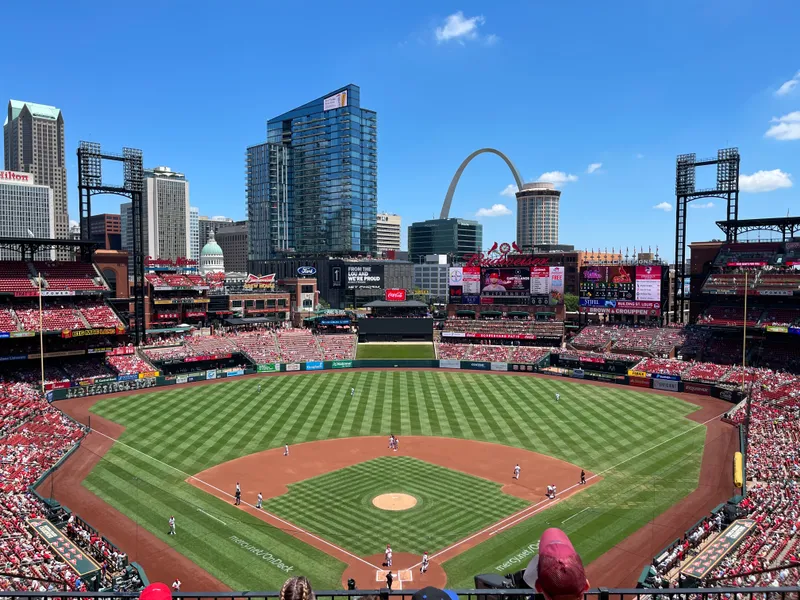
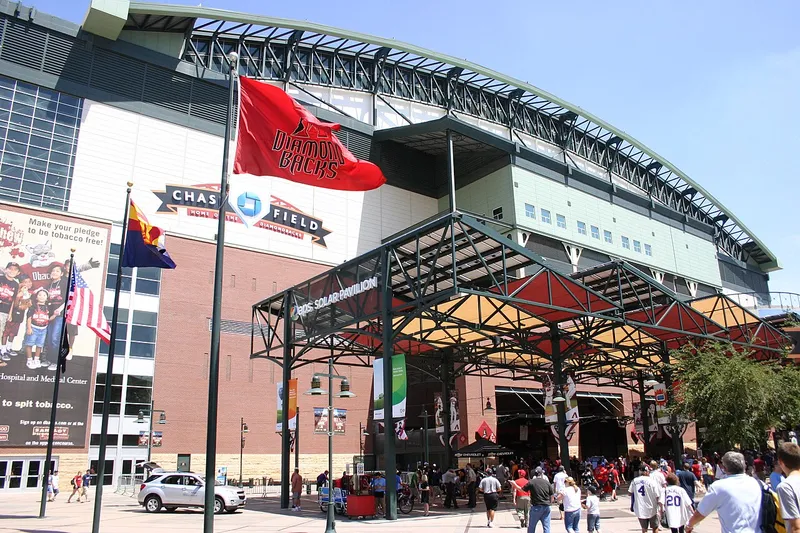
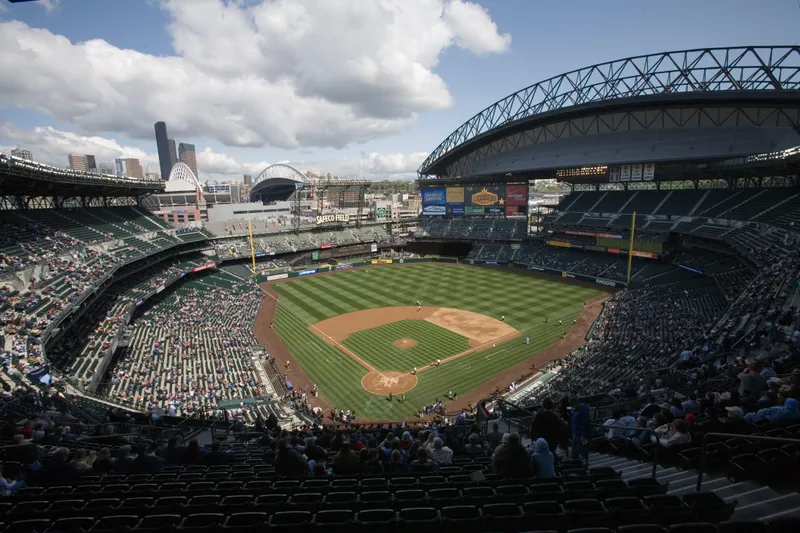
The biggest MLB ballparks cluster tightly once you get past the top of the list. Dodger Stadium stands alone at 56,000. Then a cluster in the mid-40,000s: Chase Field in Phoenix (48,330), T-Mobile Park in Seattle (47,929), Coors Field in Denver (46,897 seated), and Yankee Stadium (46,537), trailed by a tight pack in the 44,000s and 45,000s. After that the league bunches into the low 40,000s, where a few hundred seats separate a dozen parks. Here are the 15 largest by listed seated capacity for 2026.
| Rank | Ballpark | Team | Capacity | Opened |
|---|---|---|---|---|
| 1 | Dodger Stadium | Dodgers | 56,000 | 1962 |
| 2 | Chase Field | Diamondbacks | 48,330 | 1998 |
| 3 | T-Mobile Park | Mariners | 47,929 | 1999 |
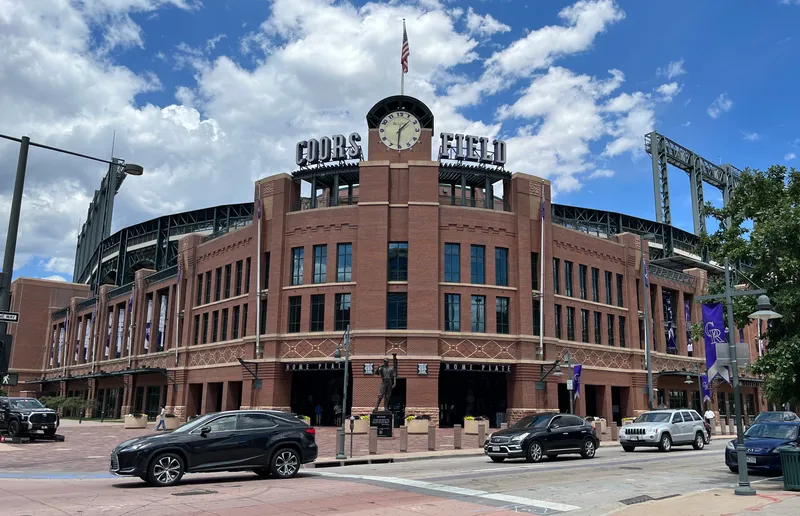
| 4 | Coors Field | Rockies | 46,897 | 1995 |
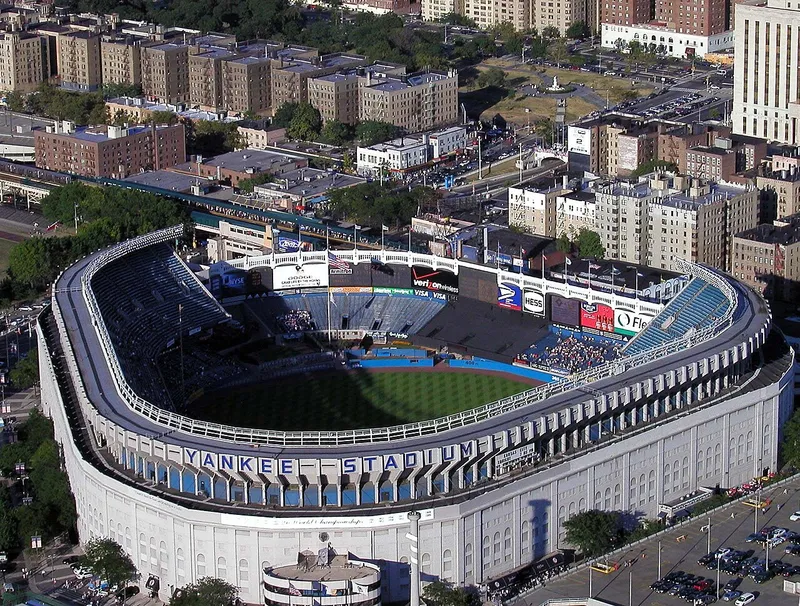
| 5 | Yankee Stadium | Yankees | 46,537 | 2009 |
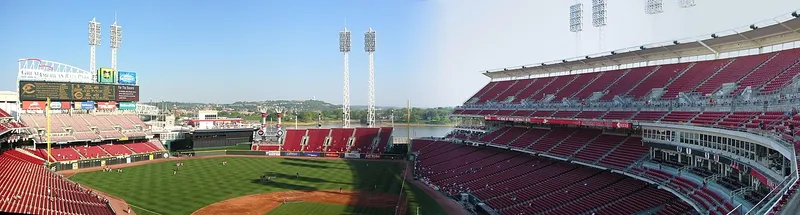
| 6 | Great American Ball Park | Reds | 45,814 | 2003 |
| 7 | Angel Stadium | Angels | 45,050 | 1966 |
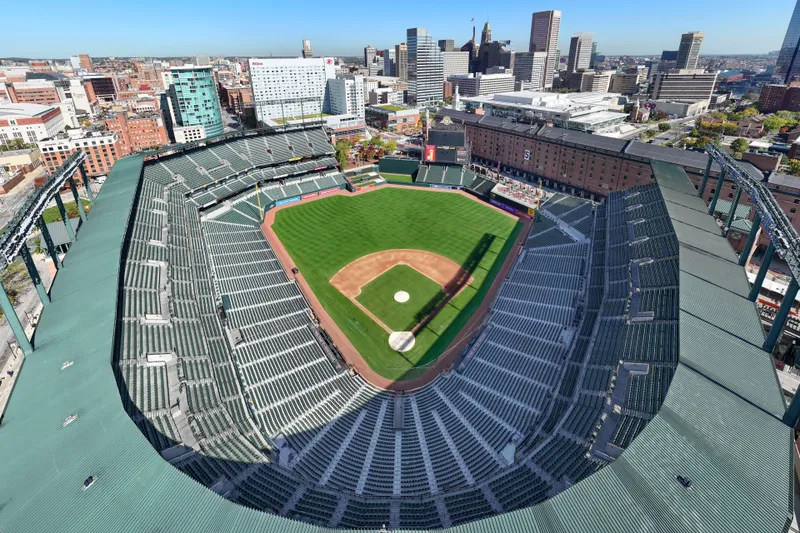
| 8 | Oriole Park at Camden Yards | Orioles | 44,970 | 1992 |
| 9 | Busch Stadium | Cardinals | 44,383 | 2006 |
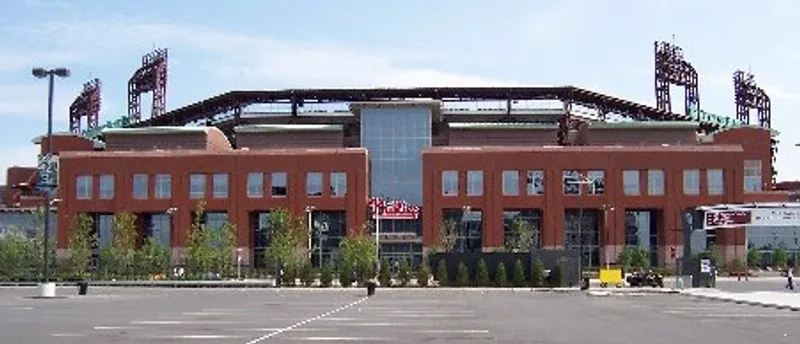
| 10 | Citizens Bank Park | Phillies | 42,901 | 2004 |
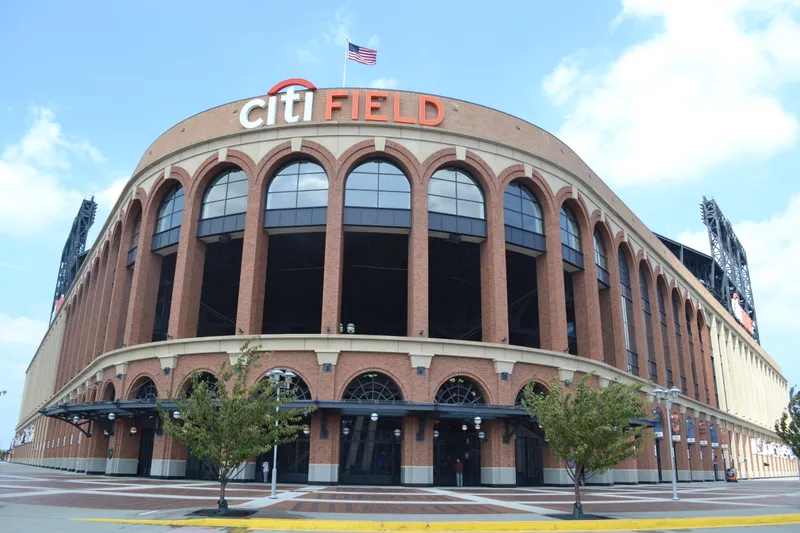
| 11 | Citi Field | Mets | 41,922 | 2009 |
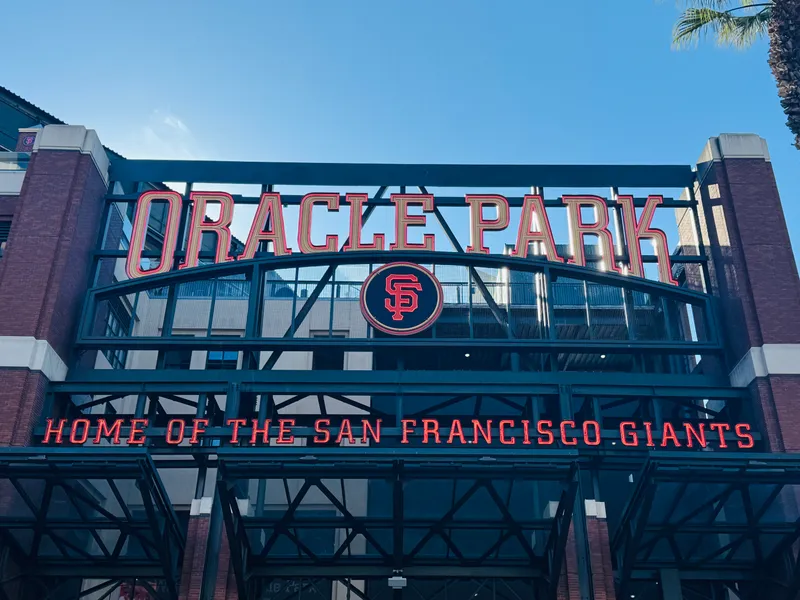
| 12 | Oracle Park | Giants | 41,915 | 2000 |
| 13 | American Family Field | Brewers | 41,900 | 2001 |
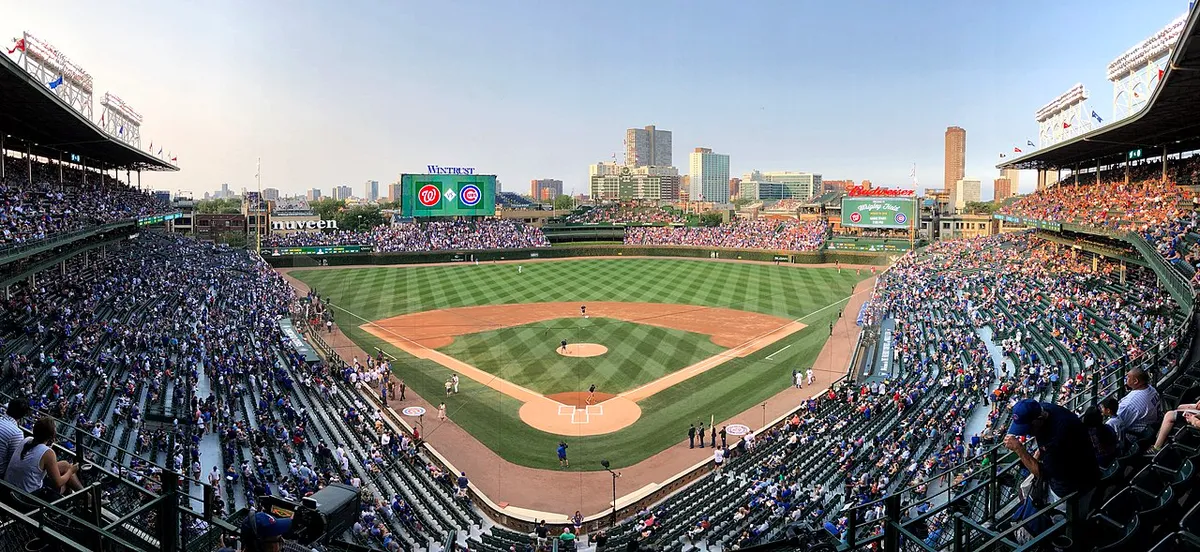
| 14 | Wrigley Field | Cubs | 41,649 | 1914 |
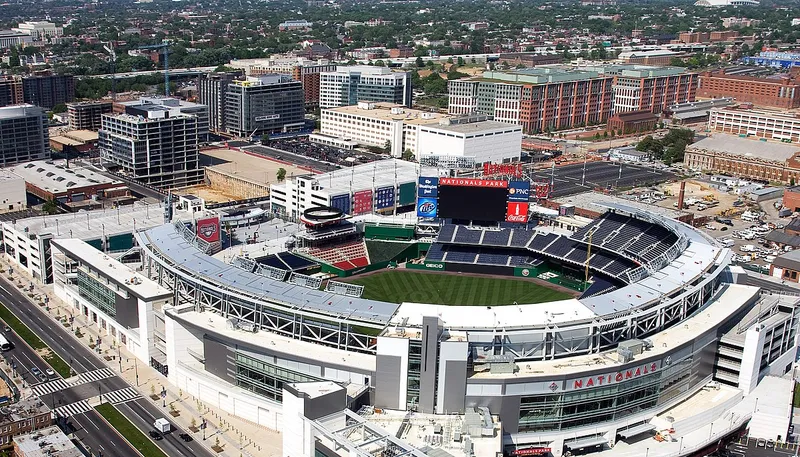
| 15 | Nationals Park | Nationals | 41,339 | 2008 |
One caution on the tail. Ballparks from about rank 11 down sit within roughly 600 seats of one another, and clubs nudge those numbers every offseason, so the exact order through that low-41,000s group shifts year to year. The top five are the stable part of the list.
Why baseball’s biggest park is smaller than football’s smallest
MLB ballparks are smaller than football stadiums because of one number: 81. That’s how many home games a baseball team plays every regular season. An NFL team plays about nine at home. A big college program plays six or seven. When you have to fill a building 81 times a year, you don’t build for the one-off giant crowd. You build for repeat business, sightlines, and the kind of intimacy that makes someone come back on a random Tuesday in June.
The same pattern holds across all three sports, and it points in one direction.
81 home games a season is why baseball builds smaller. Football’s rarity, roughly nine home dates, is why it builds huge.
Put the ceilings side by side. College football’s biggest is 107,601. The NFL’s biggest is 82,500. Baseball’s biggest is 56,000. The more often you open the gates, the fewer seats you build, because scarcity is what lets football stack 100,000 people into a single Saturday.
Think about it from the team’s side. A football club needs a huge house because it only gets eight or nine cracks a year to sell tickets, so every seat is a rare, high-demand asset. A baseball club is selling three million tickets across a summer, night after night, weekday and weekend, against the weather and the standings. Half-fill a 55,000 building on a cold Wednesday in April and it looks like a tomb on television. Sell out a 41,000 park and it looks like an event. Baseball learned that a full smaller park beats a hollow bigger one, and it built the whole modern league around that lesson. We break down the football side of this in our rankings of the biggest NFL stadiums and the biggest college football stadiums. It’s the same pattern in all three sports. Baseball just sits at the small end of it, on purpose, and the ballparks are better for it.
Dodger Stadium: the biggest ballpark, and one of the oldest
Dodger Stadium is the giant of the group, and it has been for a long time. It opened in 1962, which makes it the third-oldest ballpark in Major League Baseball, behind only Fenway Park and Wrigley Field. Its 56,000 capacity has barely moved in more than six decades, held nearly flat by design while the rest of the league churned through new parks. No other ballpark is within 7,000 seats of it.
That combination, oldest tier and biggest, is unusual. Most old ballparks are small. Dodger Stadium is old and enormous, a symmetrical bowl dug into Chavez Ravine with a view of the San Gabriel Mountains over the outfield. It’s the model of the pre-retro era, when a ballpark was a clean, big, modern stadium, before the fashion shifted to new parks built to look like old ones. The design leans on the hillside it’s carved into, so fans enter each deck close to their seats instead of climbing ramps, a trick that lets a 56,000-seat park feel less towering than the number suggests.
It has stayed big for a simple reason: it never needed to change. Los Angeles fills it. The Dodgers routinely draw the largest attendance in Major League Baseball, more than three million fans a year, which is exactly the demand that justifies keeping every one of those 56,000 seats instead of trading them for clubs and rails the way smaller-market clubs have.
7,000+ seats separate Dodger Stadium from the second-biggest ballpark, the widest first-to-second gap in the majors.
Dodger Stadium will also host baseball at the 2028 Los Angeles Olympics, one of the few venues on this list with a global event still ahead of it, more than sixty years after it opened.
The retro revolution: how Camden Yards made ballparks smaller
The reason so many parks on this list land in the low 40,000s traces back to one building. When Oriole Park at Camden Yards opened in Baltimore in 1992, it launched the retro-ballpark movement, and its 1992 opening inspired nearly every major-league park built since. Brick facades, asymmetric outfields, downtown locations, and, above all, smaller capacities built for intimacy rather than raw size.
Before Camden, the trend ran the other way. The 1970s gave baseball the multipurpose “concrete donut,” round stadiums shared with NFL teams that held 55,000 to 60,000 and felt like nowhere in particular. Places like Three Rivers in Pittsburgh, Riverfront in Cincinnati, and Veterans Stadium in Philadelphia were interchangeable gray bowls with artificial turf, built to host two sports and beloved by fans of neither. Camden Yards rejected all of it.
Teams tore down the donuts and built jewel-box parks in the 40,000 range, and fans and revenue followed. Nearly every park you see between ranks 7 and 15, from Busch Stadium to Citizens Bank Park to Nationals Park, is a child of that decision. The goal flipped in a single decade, from fitting in as many people as possible to making the view and the neighborhood as good as they could be for the 40,000 who come. That’s why a modern ballpark at 42,000 outdraws and out-earns a 1970s donut that held 55,000.
The irony is that Camden itself has shrunk the most. It opened at 48,876 and, after several reconfigurations, sits at 44,970 today. The park that taught baseball to build smaller kept taking its own advice, trimming a few thousand seats even as it stayed the template everyone copies.
Fenway and Wrigley: the oldest, smallest, and most beloved
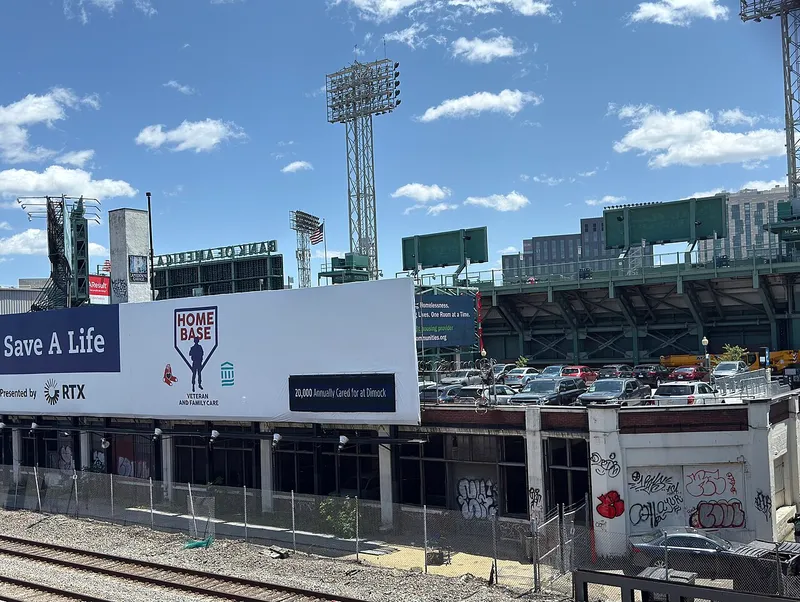
Two of the smallest parks on the list are also the two most famous in the sport. Fenway Park opened in 1912 and is the oldest active ballpark in Major League Baseball, home of the Green Monster in left field. Wrigley Field opened in 1914, the second-oldest, wrapped in the ivy that grows on its outfield walls. Neither cracks 42,000 seats, and neither ever will, because their history is the whole appeal.
Fenway seats 37,755, which would put it near the very bottom of this ranking, and nobody in Boston cares. These parks trade capacity for something you can’t build new: a hundred years of ghosts, quirks, and hand-me-down seats with obstructed views that fans pay a premium to sit in anyway. Fenway’s Green Monster, the 37-foot left-field wall, exists because the street behind it left no room to build farther out, a constraint that became the most famous feature in the sport. Wrigley’s outfield ivy and hand-operated scoreboard, both dating to 1937, do the same job. A modern architect would never design either one, and that’s exactly why they matter. Both parks have been rebuilt in place over the decades, section by section, rather than replaced, because the address and the atmosphere are the one thing a new ballpark can’t buy.
It’s worth remembering when you look at the raw numbers. Bigger is not better in baseball, and the two smallest parks near the bottom of the majors are the ones every other city would trade their newer, larger stadium to have.
Why ballparks keep getting smaller
There’s a trend the ranking hides: ballparks are getting smaller even without moving. Teams keep reducing capacity on purpose, pulling out upper-deck seats and replacing them with wider concourses, group areas, standing-room rails, and premium clubs that sell for far more per person than a bleacher seat. A smaller, fuller, higher-margin park beats a bigger, half-empty one.
Camden Yards dropped from 48,876 to 44,970. Coors Field went from over 50,000 to 46,897 seated after a 2018 reconfiguration, though it still lists 50,144 once you count standing room, which is why you’ll see two different Coors numbers depending on the source. This is the single biggest reason capacity figures for the same park disagree across websites: some count standing room and some don’t, and clubs revise the totals almost every winter.
44,970 is Camden Yards’ current capacity, down from 48,876 at its 1992 opening, a deliberate cut of nearly 4,000 seats over three decades.
So when you compare ballpark capacities, check the year and the definition. A 2019 number and a 2026 number for the same park can differ by thousands, and neither is wrong. They’re snapshots of a building that keeps being edited. That’s why any honest ranking has to say which year it’s counting and whether standing room is in or out. Ours uses seated 2026 figures throughout.
The fine print: standing room, and the league’s two smallest homes
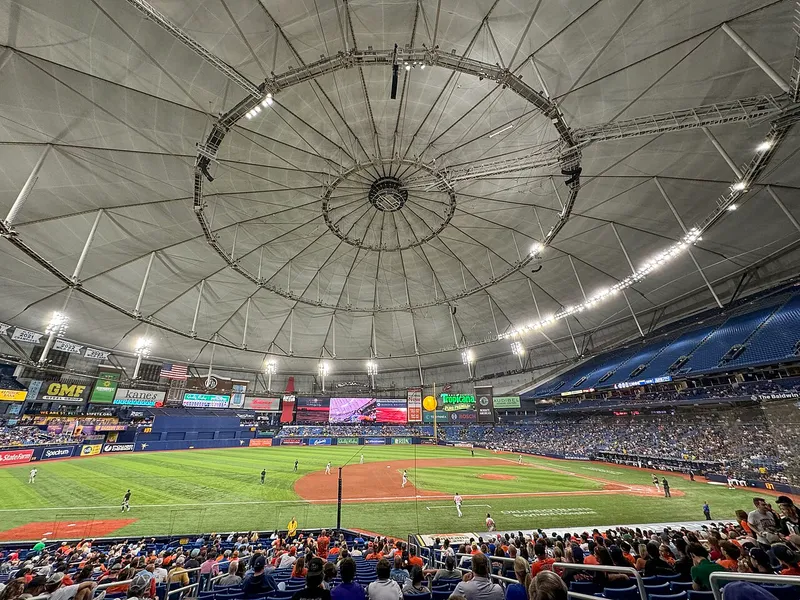
A couple of entries on the full 30-team list need context, because their homes have been in flux. The Athletics are mid-move from Oakland to Las Vegas, and until a new Las Vegas ballpark opens for the 2028 season they’re playing at Sutter Health Park, a minor-league park in West Sacramento that seats roughly 13,400, by far the smallest home in the majors. The Tampa Bay Rays are back at Tropicana Field for 2026, after Hurricane Milton tore the roof off in 2024 and the dome was rebuilt over the following year. At about 25,000 seats, it’s the smallest permanent home in the majors. Neither figure is the league’s normal range, and the Athletics’ will change again once Las Vegas opens.
Then there’s the standing-room question at the top. Coors Field’s two numbers, 46,897 seated and 50,144 with standing room, are the clearest example of why a ballpark can appear at two different ranks depending on which list you read. Our ranking uses seated capacity throughout for a fair comparison, then flags the standing-room figure rather than hiding it. It’s the same approach we take with expandable capacities in the NFL stadium ranking.
What the ranking actually tells you
The biggest MLB ballparks aren’t trying to be the biggest stadiums in America, and they never were. Dodger Stadium leads at 56,000, a figure it has guarded for sixty years, and behind it the league has quietly agreed that around 41,000 to 46,000 is the right size for a building you fill 81 times a year. Baseball figured out something football’s economics never forced it to: that a smaller, fuller park is a better park.
So the next time someone calls a packed ballpark enormous, put it in context. The biggest one in the sport would rank behind every NFL stadium and outside the top 20 in college football. In baseball, that smaller scale is deliberate, and it makes for a better ballpark. For the giant end of the range, see our ranking of the largest stadiums in the world, and for the single biggest crowds ever counted at any venue, there’s a separate list in the biggest stadium crowds in history.
Sources
- MeetStadium’s own verified stadium pages for all 30 ballparks. The source for every listed capacity in this ranking, each figure fact-checked on the page itself, including Dodger Stadium, Fenway Park, and Wrigley Field.
- List of current Major League Baseball stadiums, Wikipedia. Cross-reference for the full-league ordering.
- Dedicated pages at Wikipedia and Ballparks of Baseball, consulted for the parks whose capacity is genuinely contested, including Coors Field, Oriole Park at Camden Yards, Angel Stadium, and Oracle Park.
Capacities are the listed seated figures on our own verified stadium pages. MLB capacities vary by a few hundred to a few thousand seats between sources, because clubs reconfigure seating almost every offseason and sources differ on whether standing room is counted. Where public sources disagreed, we used the figure our own page verified.